TASTY ON THE ROAD

South Korea

Seoul, Gyeongju, Busan and Jeonju through K-Pop shops, second-hand records, karaoke and bars with music: the places we've been.

We landed in Seoul late in the evening, suitcases still in hand and one question on our minds: why is the whole world talking about Korea? We had two weeks, four cities and only one way of travelling, the usual one: following the music and the food, and stopping wherever we could hear the one and smell the other.

From Seoul we went to Gyeongju, then to Busan and Jeonju, and finally back to Seoul. Along the way we kept with us albums with beautifully designed covers, turntables with headphones, karaoke sung until 2 in the morning, grills lit at the table and a café where people listen to records in silence.

This guide covers the places we visited in person, with our own photos and videos. For the facts about Korean culture we relied on official sources (Korea.net, VisitKorea, VisitSeoul, VisitBusan, UNESCO), which you'll find at the bottom of the page. We haven't written down opening hours or prices, because they change: before you go, check them on Naver Map, the most widely used map app in South Korea (Google Maps will do too). To translate menus and signs, we recommend Papago.

If you have places to suggest, write to us at info@tastybeats.it!

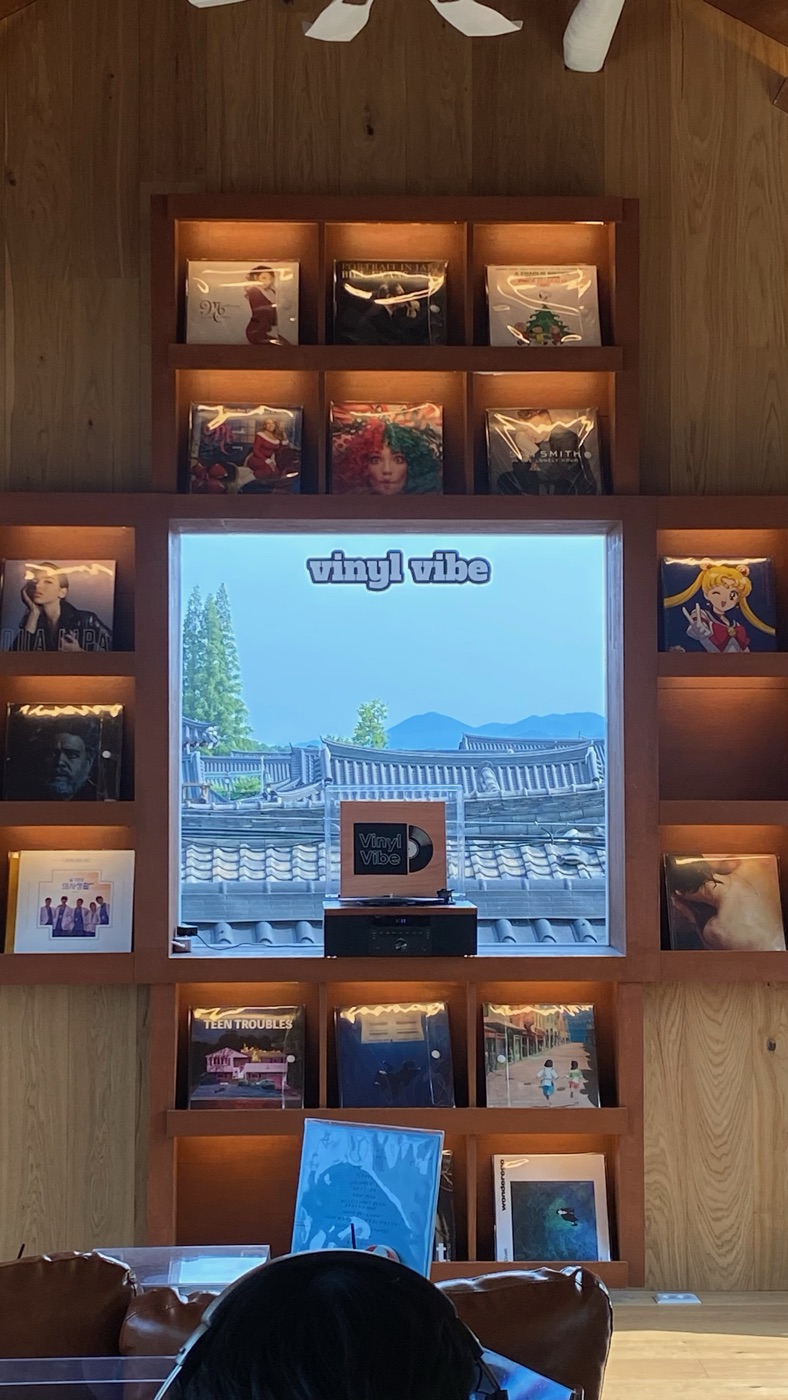
Vinyl Vibe a Gyeongju: scaffali di vinili illuminati e, al centro, la vista sui tetti tradizionali

Click on the map below to see the places of interest featured in the guide!

K-Pop And Karaoke

In Korea, K-Pop isn't just something you listen to: you live it. Behind every group there are years of preparation (according to Korea.net, future idols train at an agency, with singing, dancing and foreign languages, before making their debut) and in front of every group there is a community of fans with a name, colours and a symbolic object: the lightstick, the glowing wand that is waved at concerts and that, in the crowd, lets you spot who is cheering for the same band.

That's why a K-Pop shop is so different from a record shop: shelves of albums with beautifully designed covers, a space for every group, screens playing the videos and, in the window, lightsticks displayed like little lanterns. You go in out of curiosity and come out feeling you've seen up close a phenomenon that has been travelling the world for years.

And then there's the noraebang, Korean karaoke. The word means ‘song room’: you rent a private, soundproofed room, choose from the repertoire, from the classics to the latest hits, and the lyrics scroll across the screen. It's the easiest way to stop watching K-Pop from the outside and try singing it ourselves. These are the places we've been.

1

Musicplant

  • K-Pop shop · Albums and merchandise
  • Hongdae, Seoul
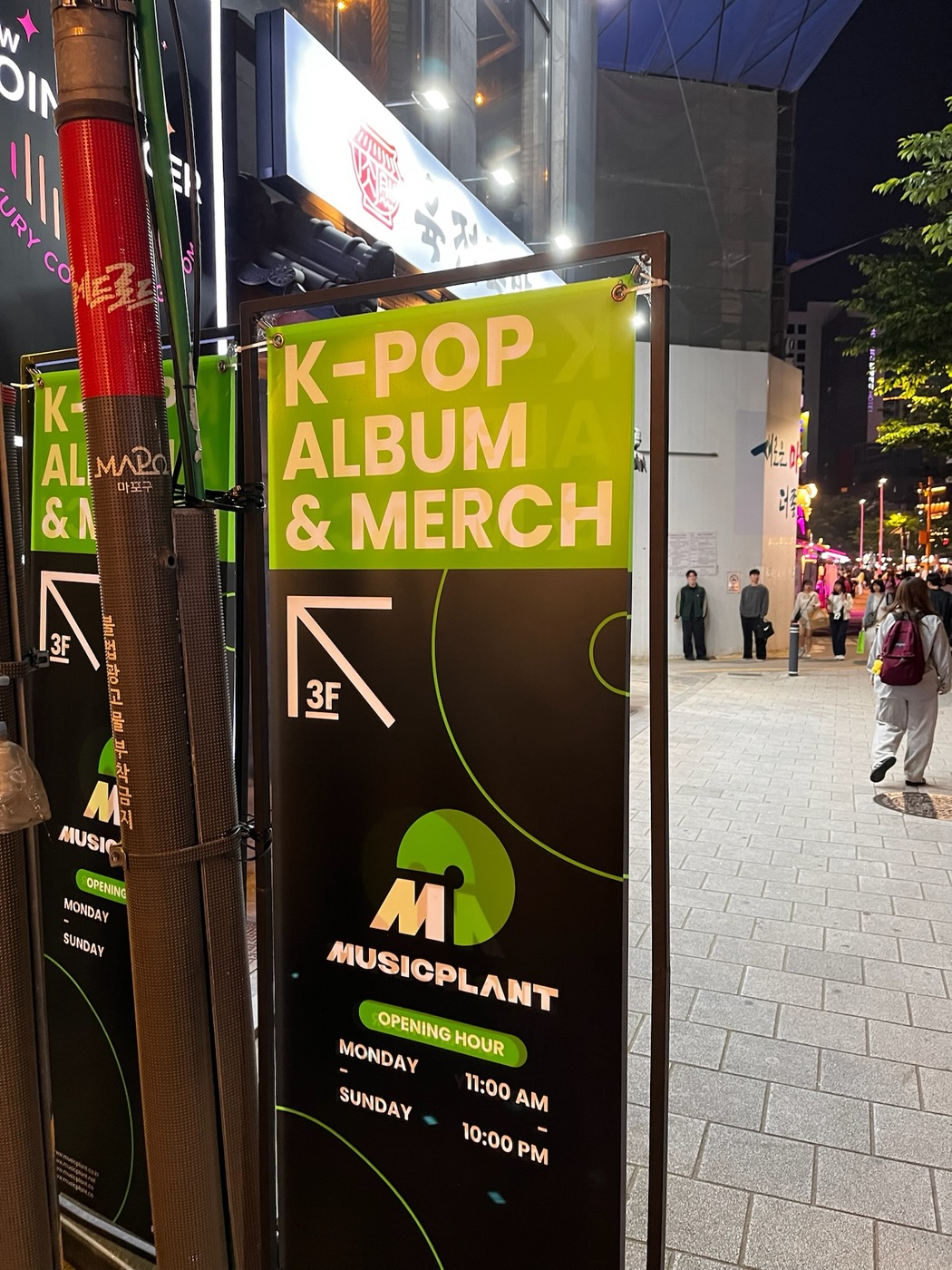
  • The street sign points to the third floor
  • Open in Maps →

In Hongdae, the neighbourhood of young people and street music, a green sign caught our eye straight away: ‘K-Pop Album & Merch’. The shop is on the third floor and sells albums and items from Korean groups.

It was evening when we took this photo, and the sign acted as a beacon among the shop signs along the street. It's the ideal starting point for understanding what being a K-Pop fan is like: you climb the stairs, you look around, and you realise just how big the world behind a single album is.

Il cartello «K-Pop Album & Merch» di Musicplant, nella strada di Hongdae
2

Story-K

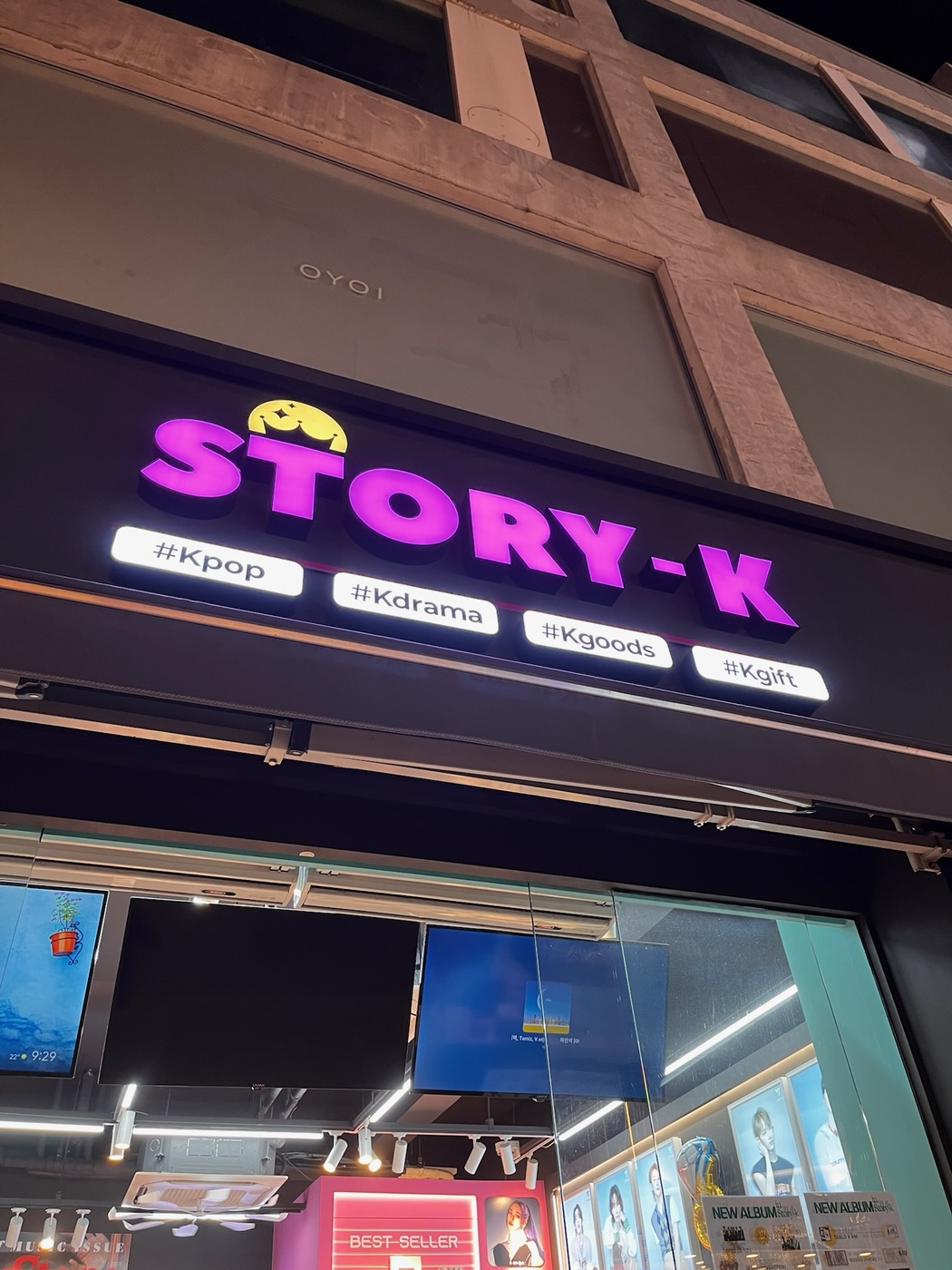
Not far away, the lit-up window of STORY-K: a shop devoted to K-Pop, K-Dramas and Korean items, as the sign lists. In the evening, with the lights on and the pink lettering, it's one of the most picturesque spots on the street.

One look is enough to understand that the ‘hallyu’, the Korean wave, isn't made of songs alone: music, TV series and products travel together, and in Hongdae you'll find them on the same street.

L'insegna illuminata di STORY-K a Hongdae, di sera
3

K-Pop Album Shop in Myeongdong

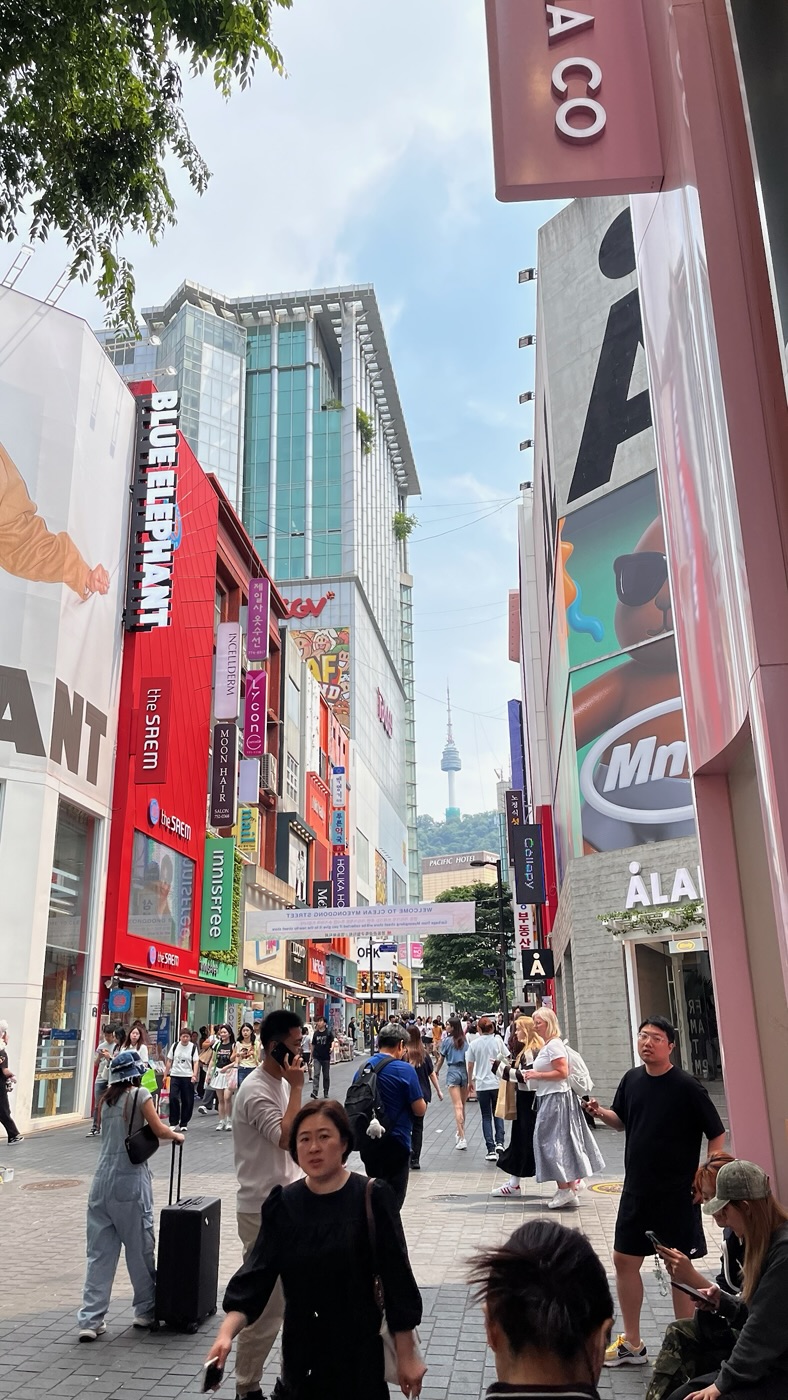
In Myeongdong, among streets packed with shops and stalls, we stepped into a K-Pop album shop: a bright room, with shelves filled to the top with albums, every cover different.

Every group has its own corner (in our videos you can even see a whole shelf devoted to BTS) and the screens hanging on the walls play the bands' videos. In the window are the lightsticks: every group has its own, with shapes and colours that tell you who it belongs to.

For us, who usually look for music in live venues, it was a lesson of a different kind: in Korea an album isn't just a record, it's an object to keep, show off and swap.

Una via di Myeongdong con la Torre N di Seul sullo sfondo
4

Noraebang And Korean Barbecue in Hongdae

  • Noraebang · Karaoke
  • Hongdae, Seoul
  • After the karaoke: Korean BBQ with pork belly (samgyeopsal)
  • Open in Maps →

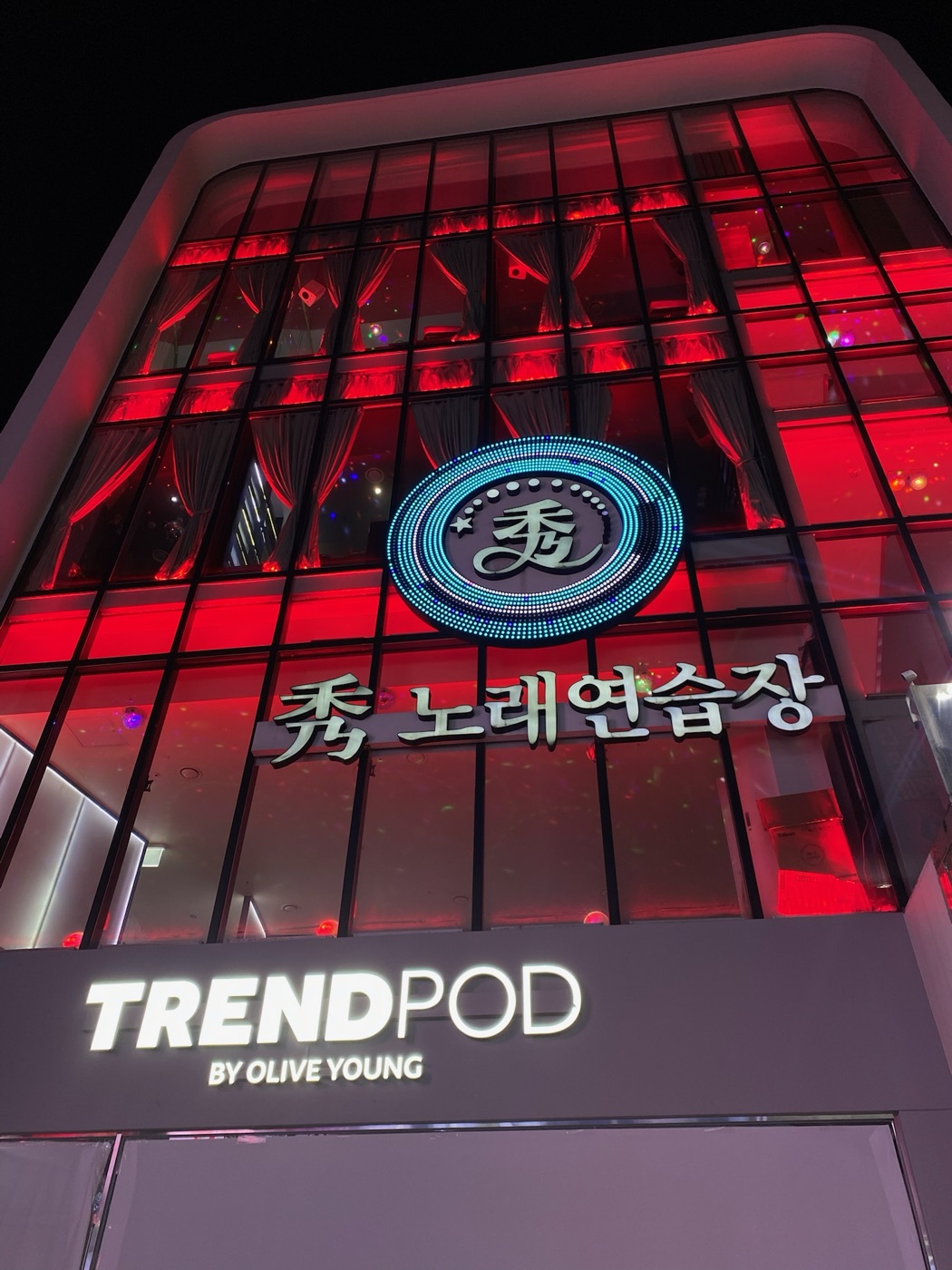
The longest night of the trip began in a noraebang in Hongdae: a room all to ourselves, the microphone, the screen with the lyrics. We sang until 2 in the morning, just the two of us, without looking at the clock.

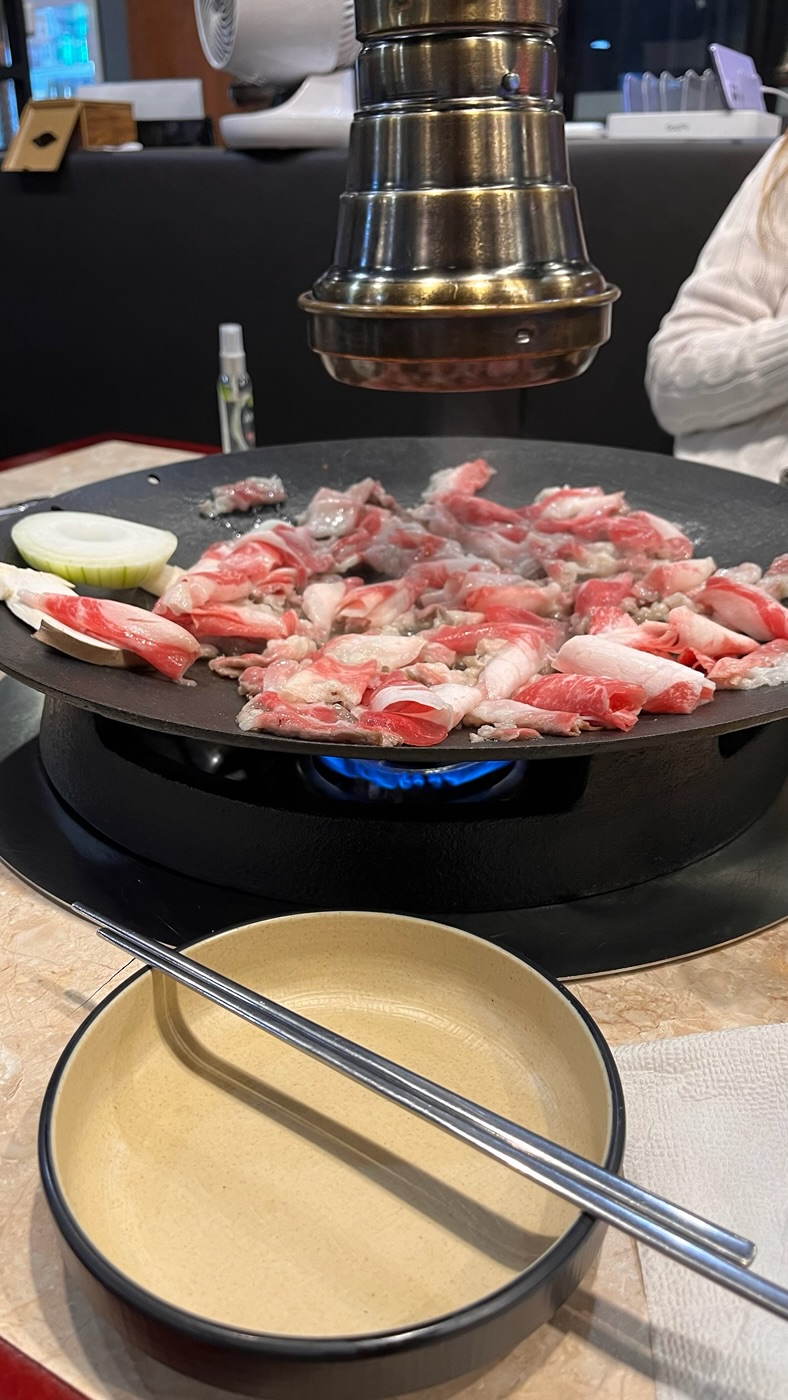
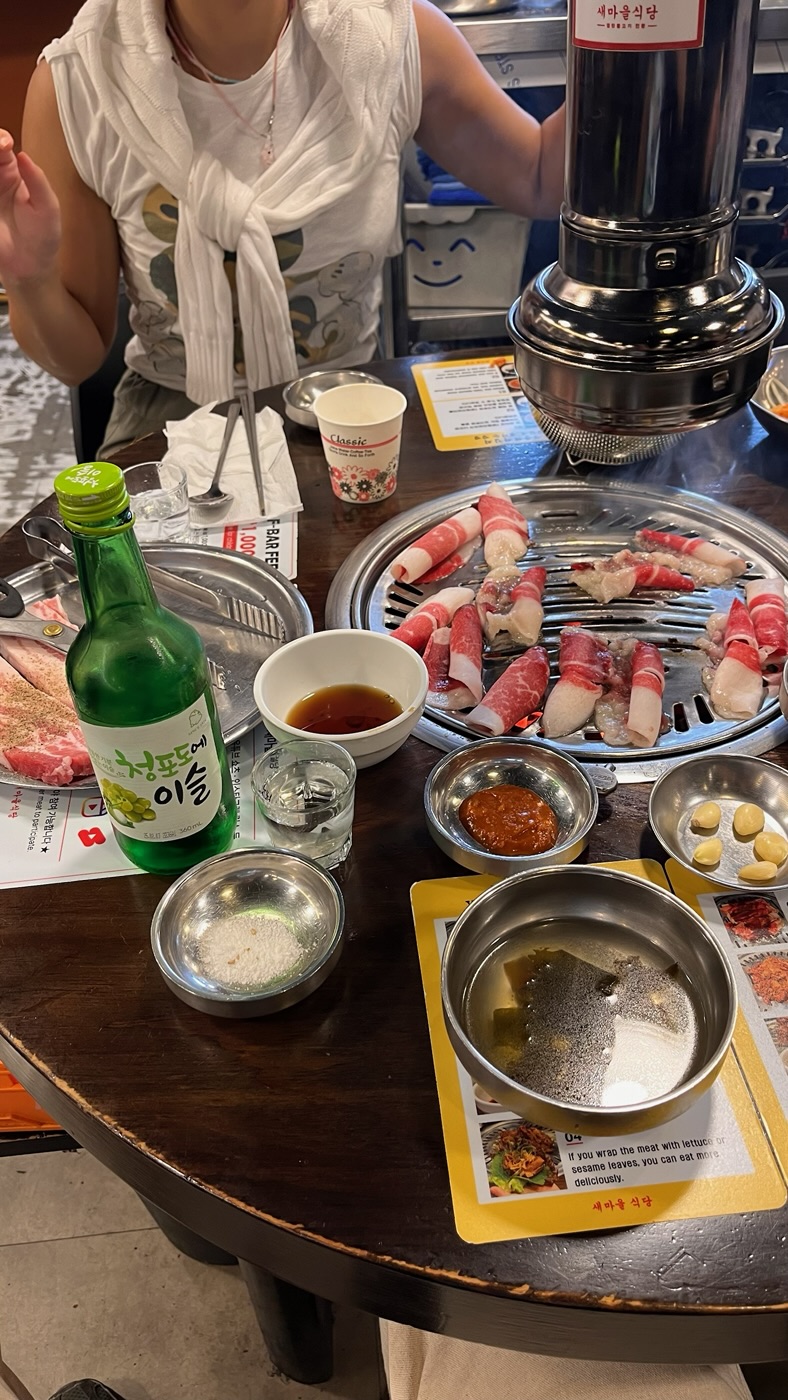
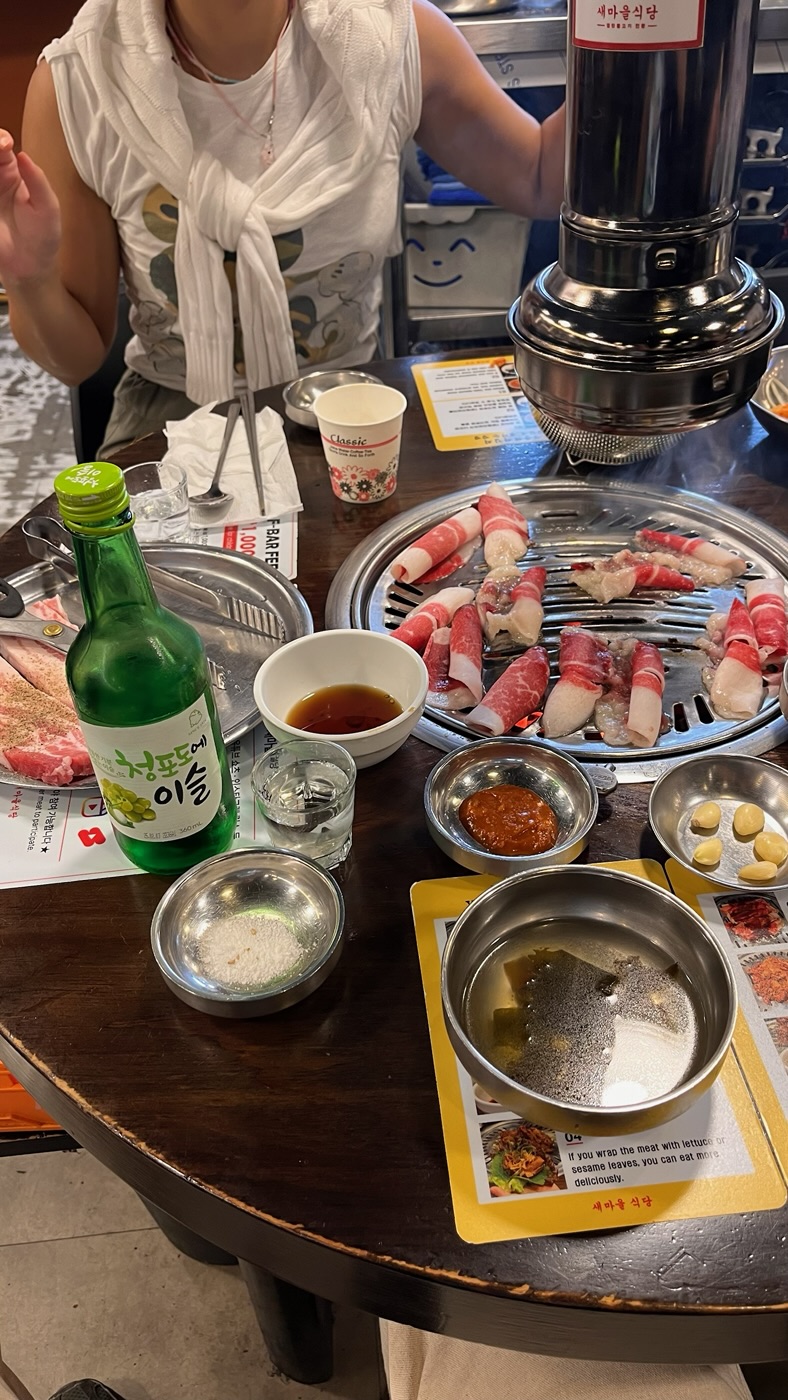
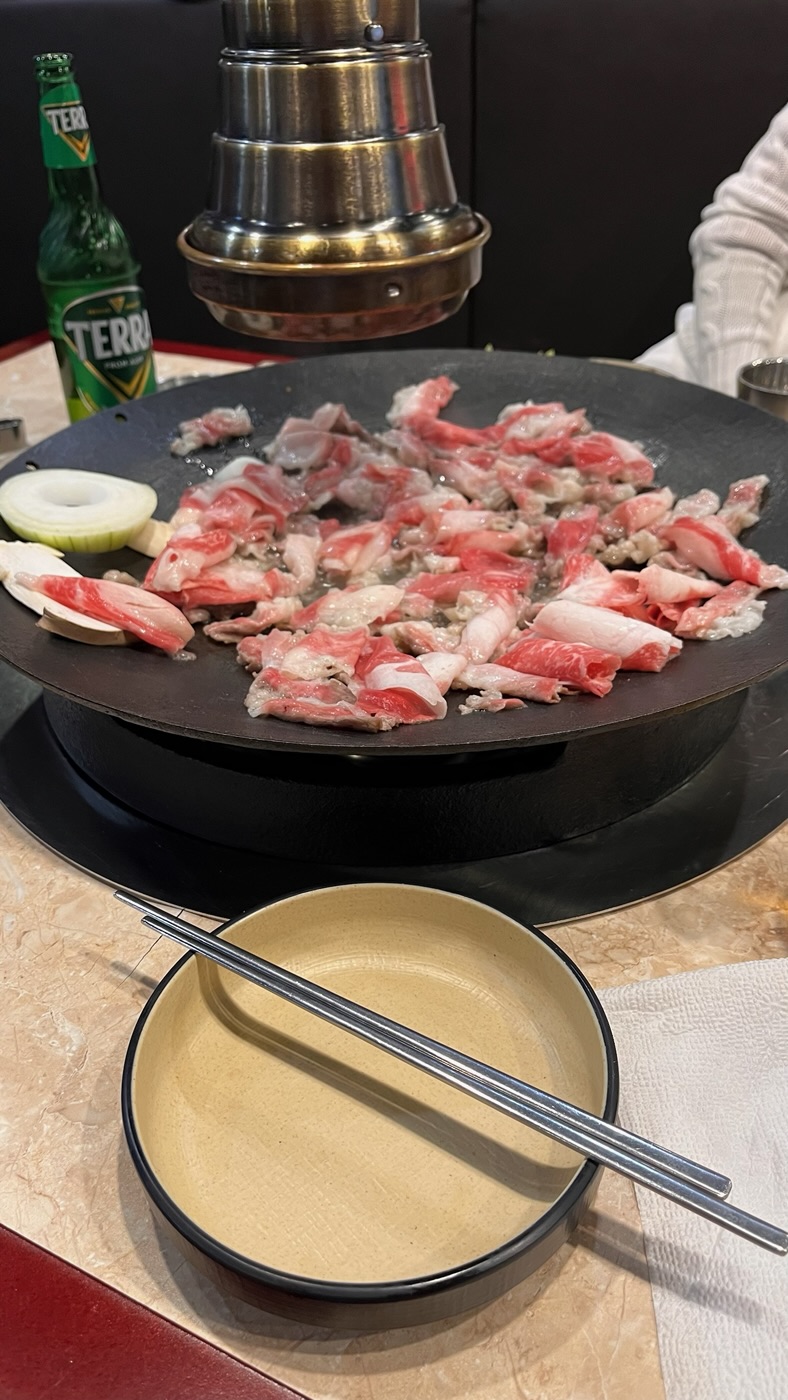
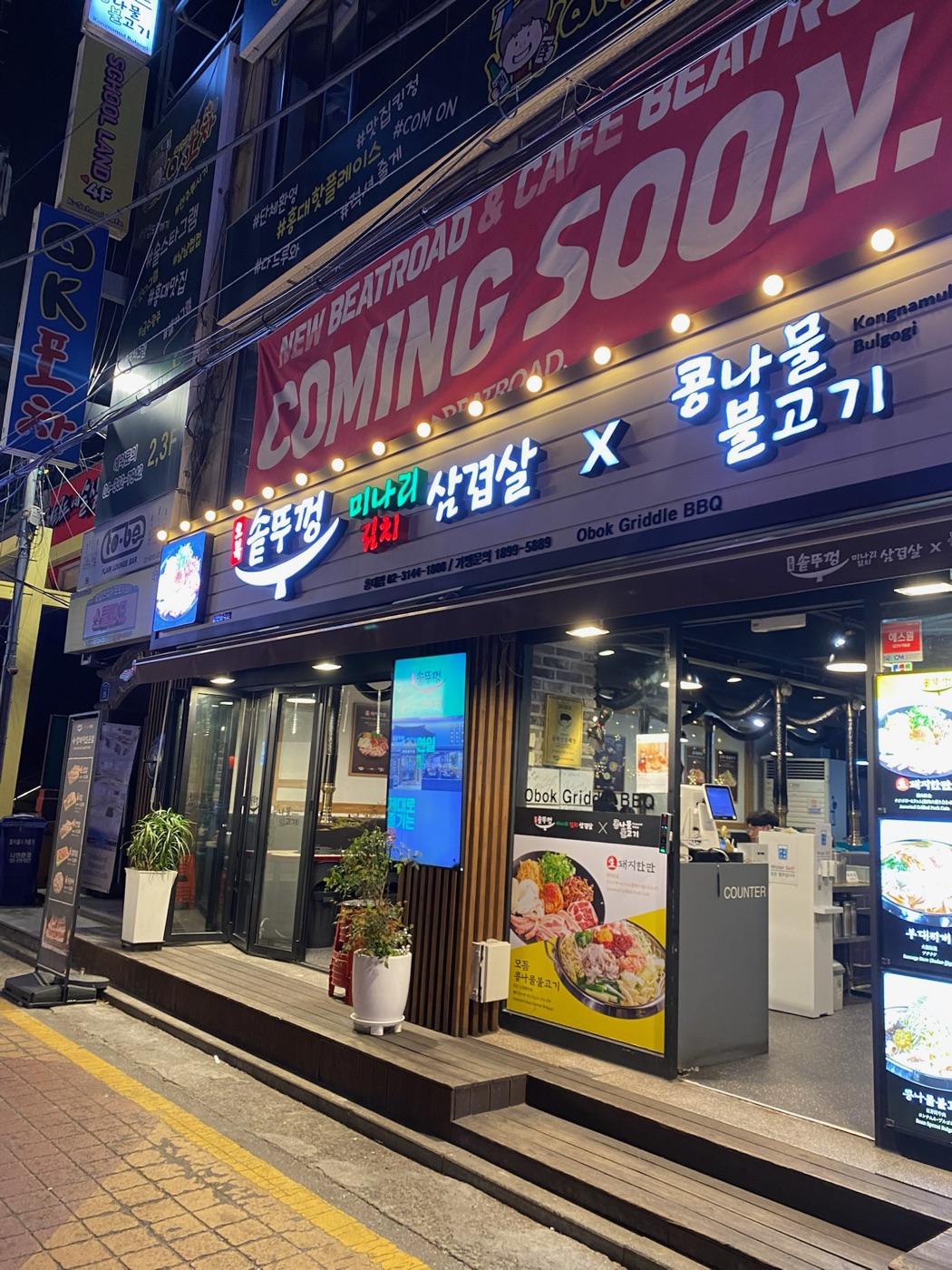
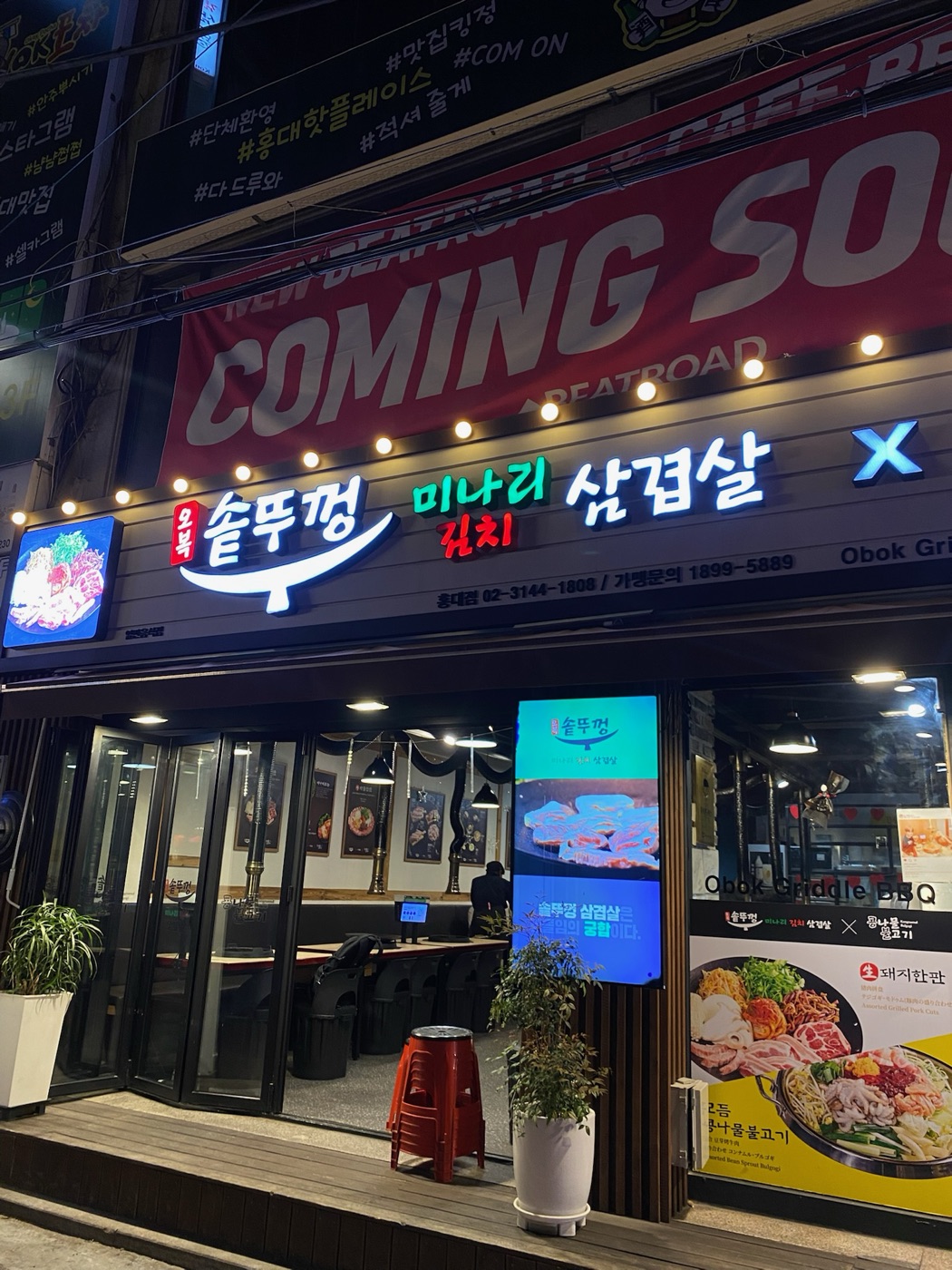
After all that singing we got hungry, and ended up in a Korean BBQ place nearby: the grill lit at the table, the pork belly (samgyeopsal) sizzling, the soju and the beer. The lady who ran the place cooked the meat in front of us, cutting it with scissors and turning it with tongs, with a smile that at that hour was worth as much as the food.

They're the kind of evenings you can't plan. At 2 in the morning, between a song and a bite, Seoul felt like a city that never goes to sleep, and we had no desire at all to go back to the hotel.

L'ingresso illuminato di rosso di un noraebang a HongdaeLa pancetta sulla griglia al tavolo di un BBQ coreano a HongdaeIl tavolo con la griglia, il soju e i contorniLa griglia carica di carne, con il soju e le salse sul tavoloLa pancetta cotta alla piastra, con la ciotola di zuppa a fiancoL'insegna del locale di BBQ coreano a Hongdae, di notteL'ingresso del locale di BBQ, con le luci della strada
5

Seventeen Coin Noraebang

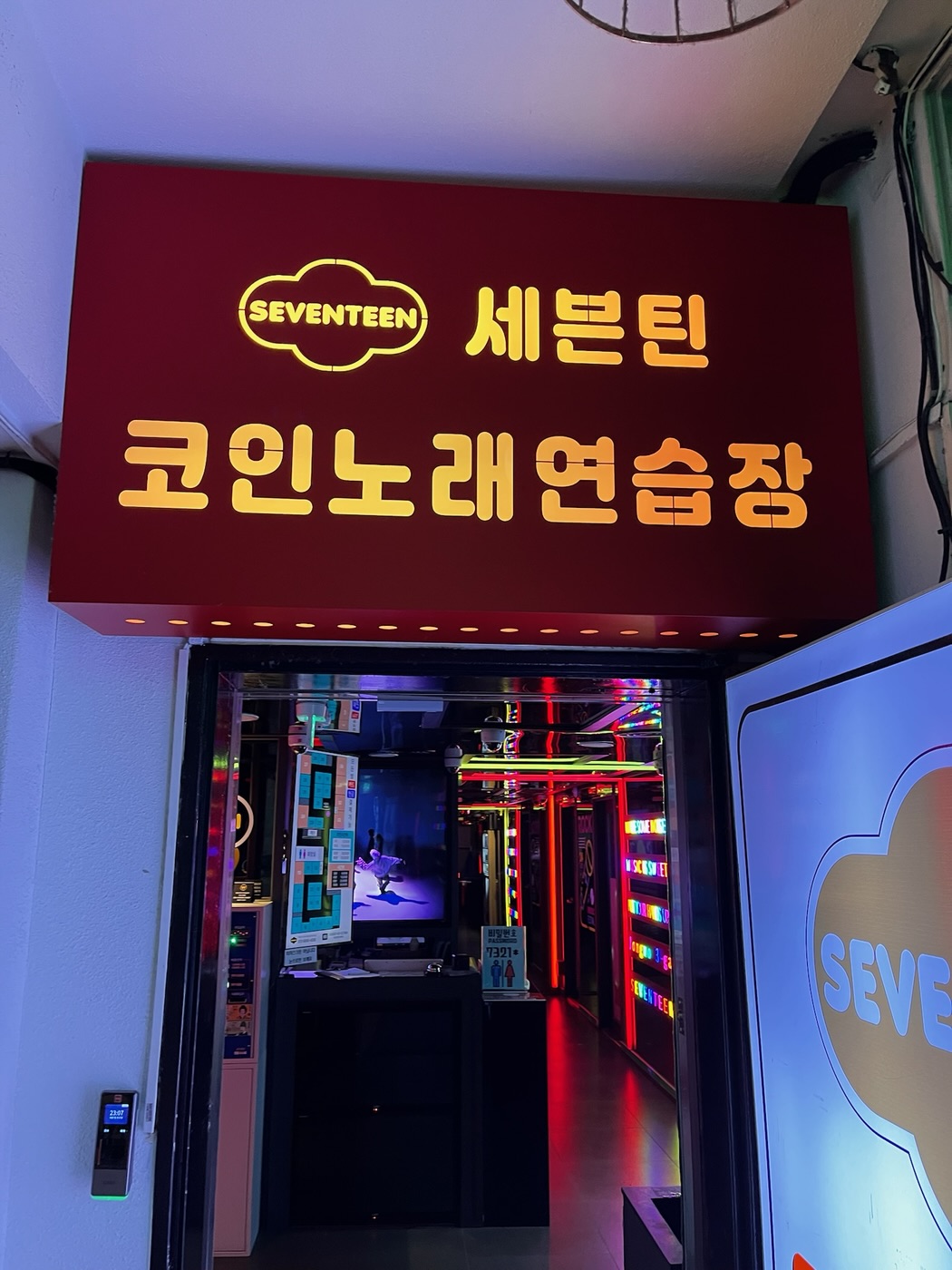
The ‘coin noraebang’ is the quick version of karaoke: small booths, made for just a few people, where you pay per song. After dinner, in the Insa-dong area, we went into Seventeen, recognisable by its red and yellow sign, and sang a little more.

The video shows what it's like: the lyrics changing colour word by word on the screen, the console full of buttons and the coloured disco lights. There's even ‘Call Me Maybe’ by Carly Rae Jepsen: you don't need to speak Korean to have fun, the repertoire is international.

L'ingresso di Seventeen, un coin noraebang a Insa-dong

Vinyl And Music in Seoul

Seoul isn't only K-Pop. In the second-hand record shops you can find a bit of everything: pop, jazz, soul, rock, Japanese editions of American records. For vinyl lovers it's a place to get lost in: crates to flick through at leisure, covers we had never seen, obi strips with characters we can't read but that promise music.

These are the places that stayed with us most, plus a café with a turntable at the table.

6

6081 Record

  • Record shop
  • Itaewon, Seoul
  • Second-hand records: K-Pop, J-Pop, jazz, world music
  • Open in Maps →

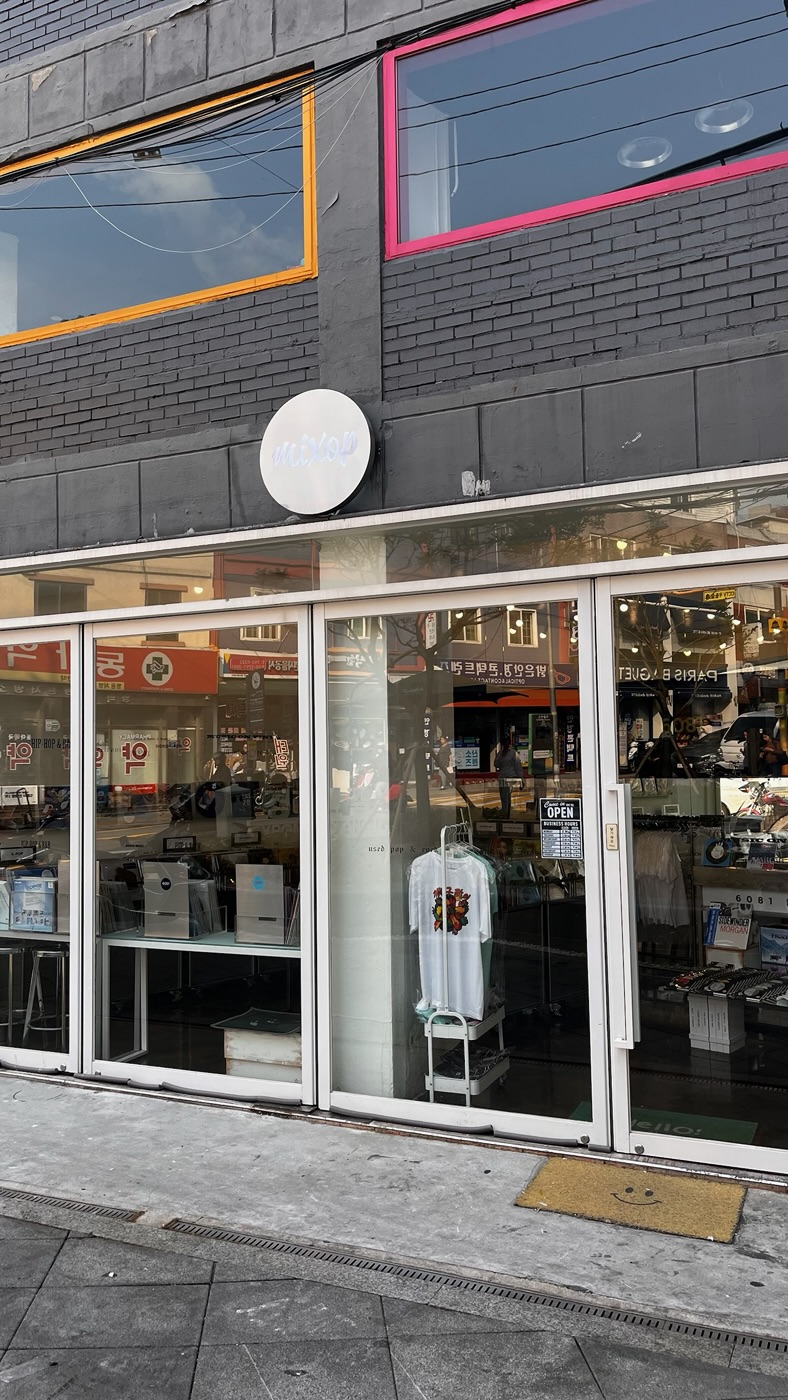
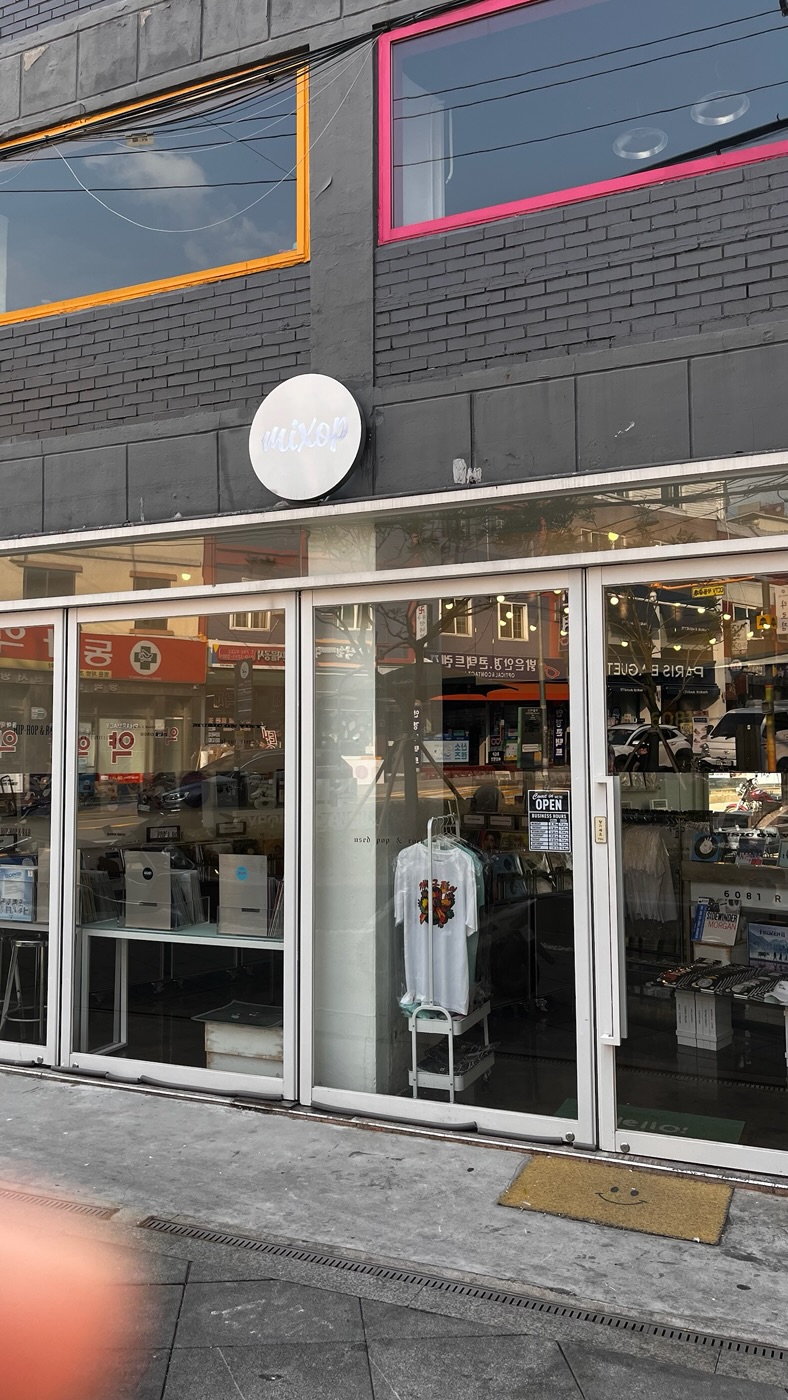
In Itaewon this record shop has neatly divided sections: K-Pop, J-Pop, world music, hip-hop and R&B, second-hand jazz, electronic music. The writing on the wall tells you straight away where to go, and the crates invite you to browse at leisure.

Besides records there are T-shirts, caps and little coloured records in the window, with the green 6081 sticker on the covers. It's a place you go into ‘for a quick look’ and come out of an hour later.

La vetrina del negozio di dischi 6081 Record a ItaewonL'ingresso del negozio di dischi 6081 Record a ItaewonIl logo sulla porta del negozio 6081 Record
7

Off The Record

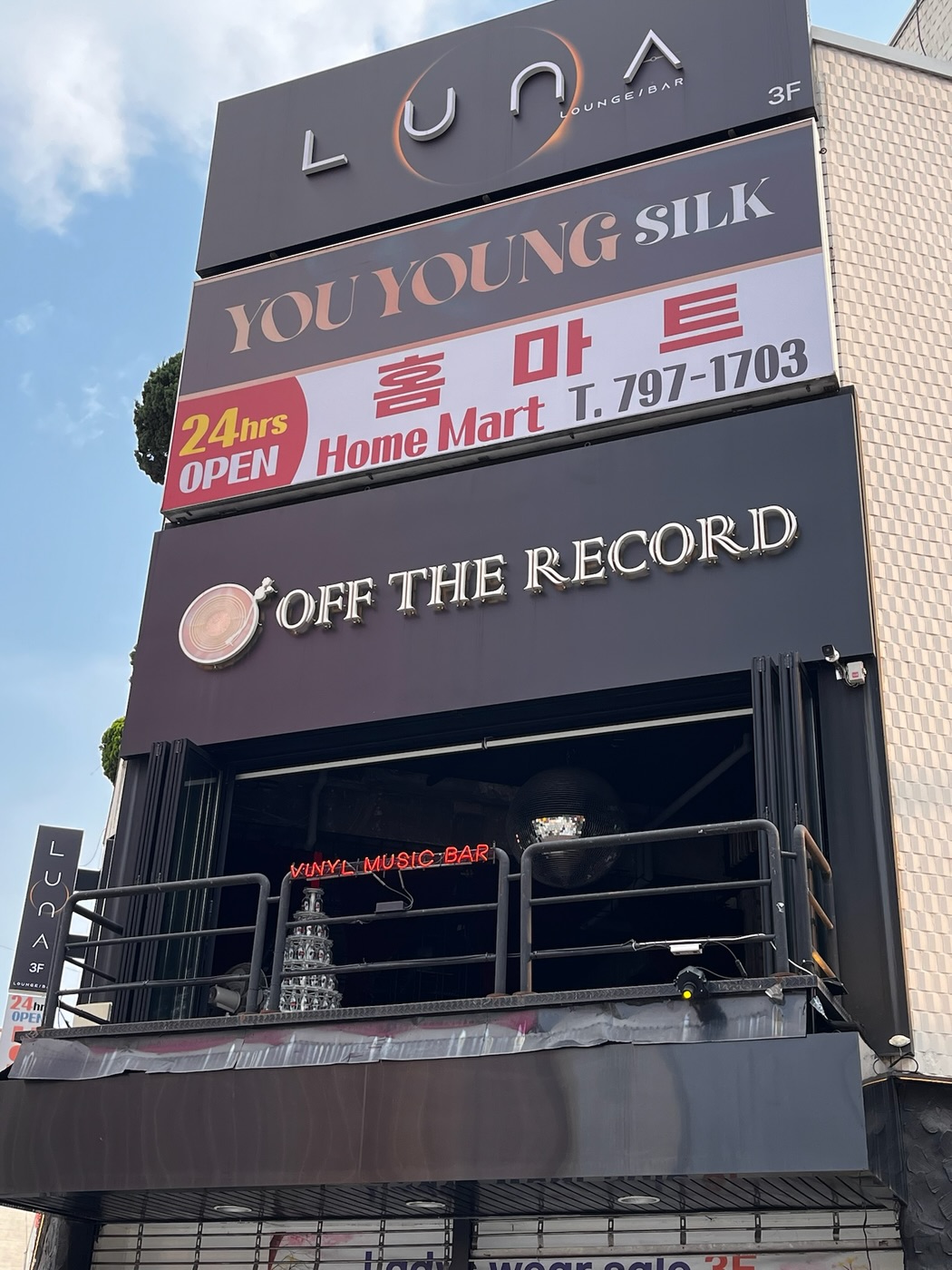
Off the Record is a vinyl music bar: a bar where the music is the records. It's at the top of a building, above a minimarket that's open all day, and you spot the sign by looking up.

L'insegna di Off the Record, vinyl music bar, sul palazzo
8

Dope Records

  • Record shop
  • Seoul
  • Second-hand Japanese and American records, music magazines
  • Open in Maps →

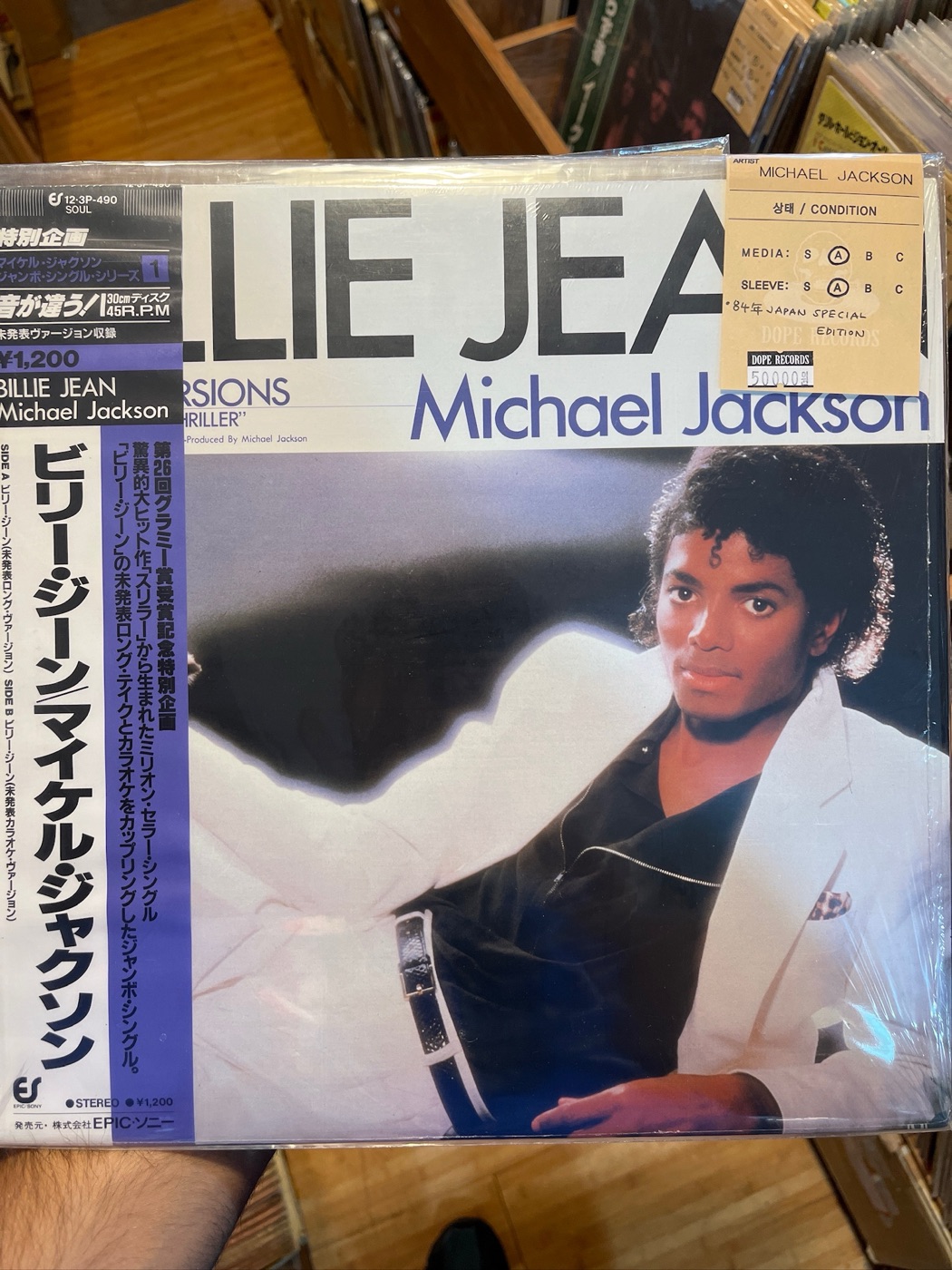
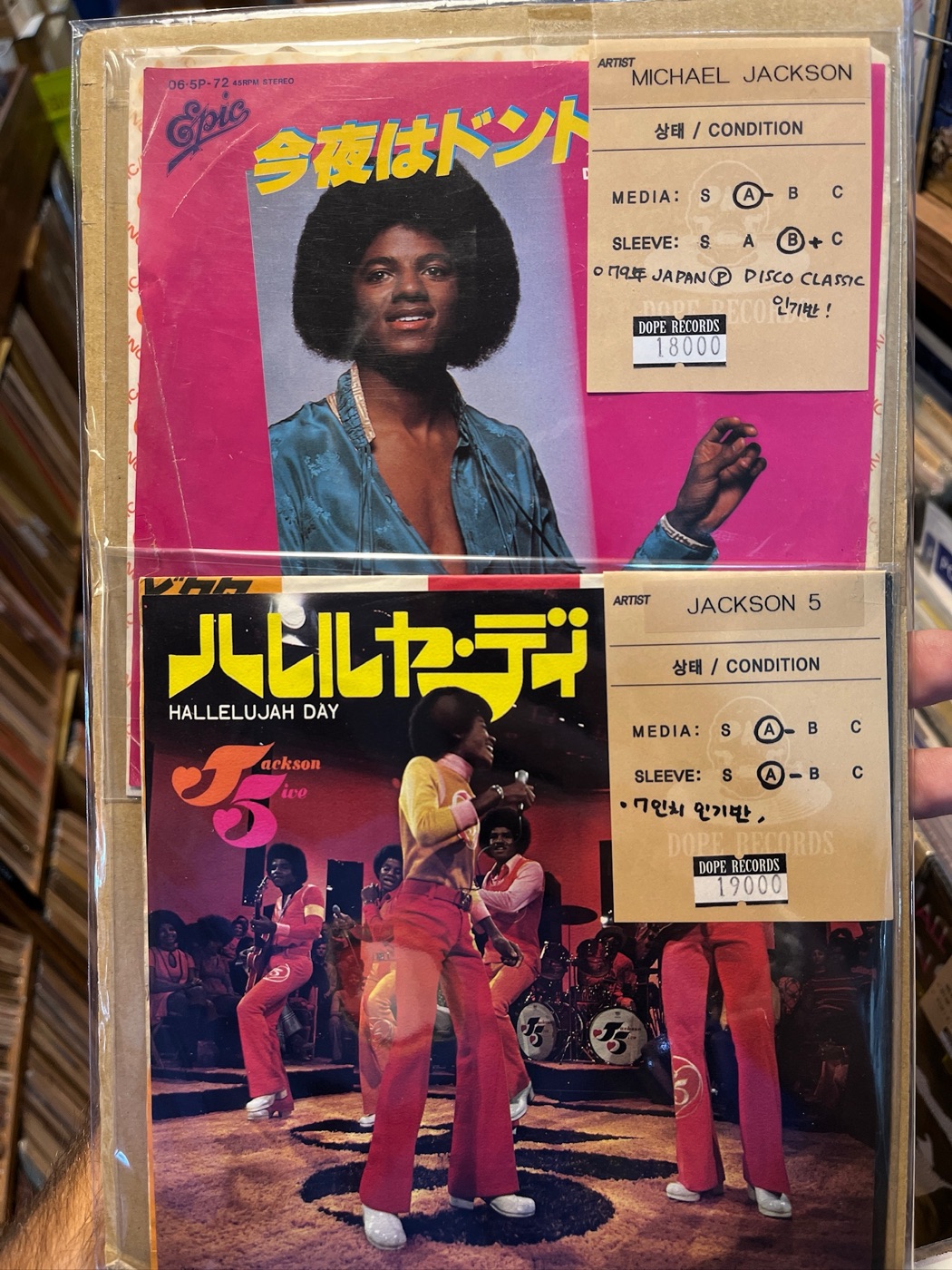
From the outside it's a glass building with the sign on the façade, and inside it's a maze of wooden shelves: records standing upright, records lying flat, crates disappearing into the back of the room. Among the crates we found Japanese editions of American records, with the obi strip in Japanese characters.

There are music magazines too, dozens of them: jazz, rock, pop from different eras, with covers that look like little works of art (including the Swing Journal one with the saxophone).

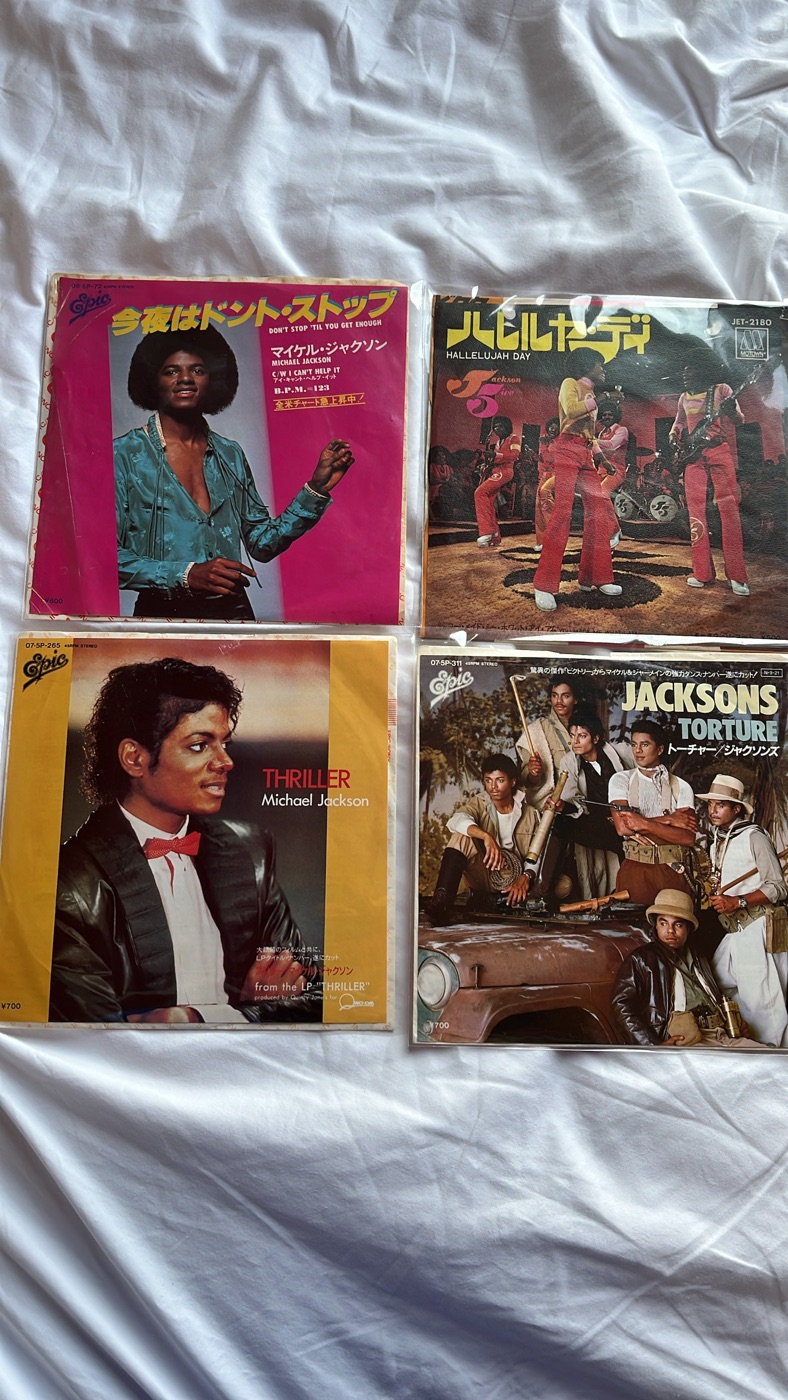
We left with a few 45s, including the Michael Jackson and Jackson 5 ones you can see in the photos. They ended up on the hotel bed, so we could look at them all over again.

Un disco di Michael Jackson con la fascetta giapponese, da Dope RecordsDischi di Michael Jackson e dei Jackson 5 con le etichette del negozioI 45 giri che ci siamo portati a casa da Dope Records
9

Coc - Coffee & Croffle

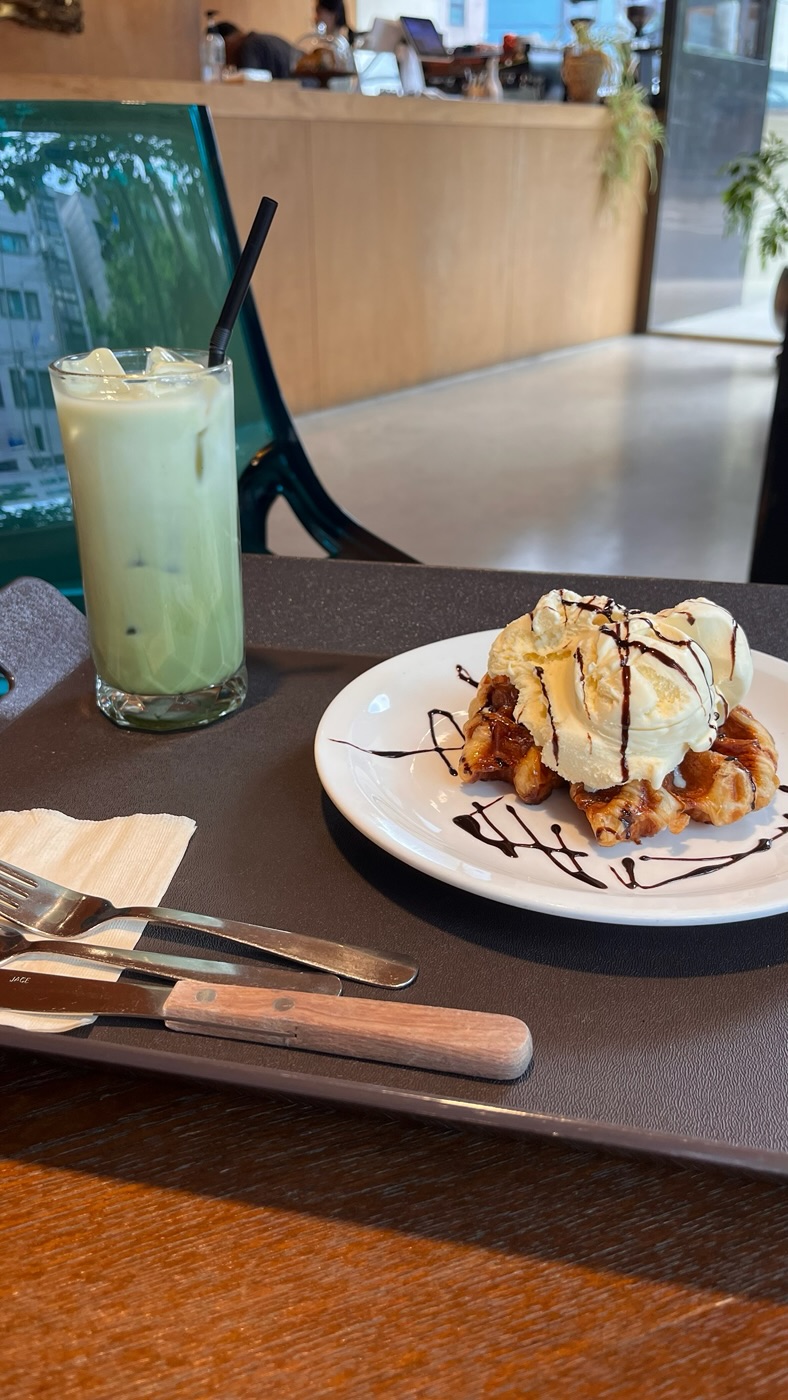
The croffle is a croissant cooked in a waffle iron: crisp outside, soft inside. At COC we had it with ice cream and chocolate sauce, along with an iced matcha latte.

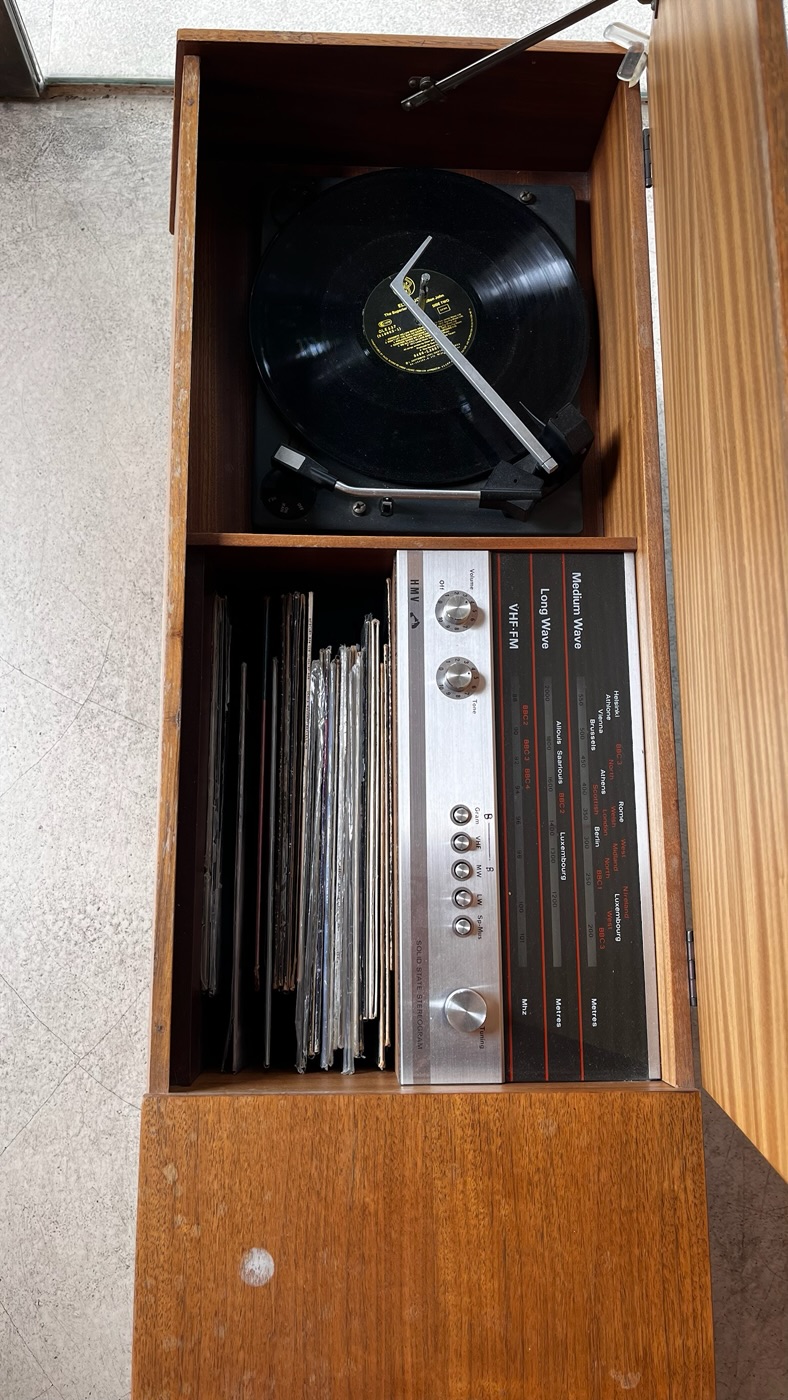
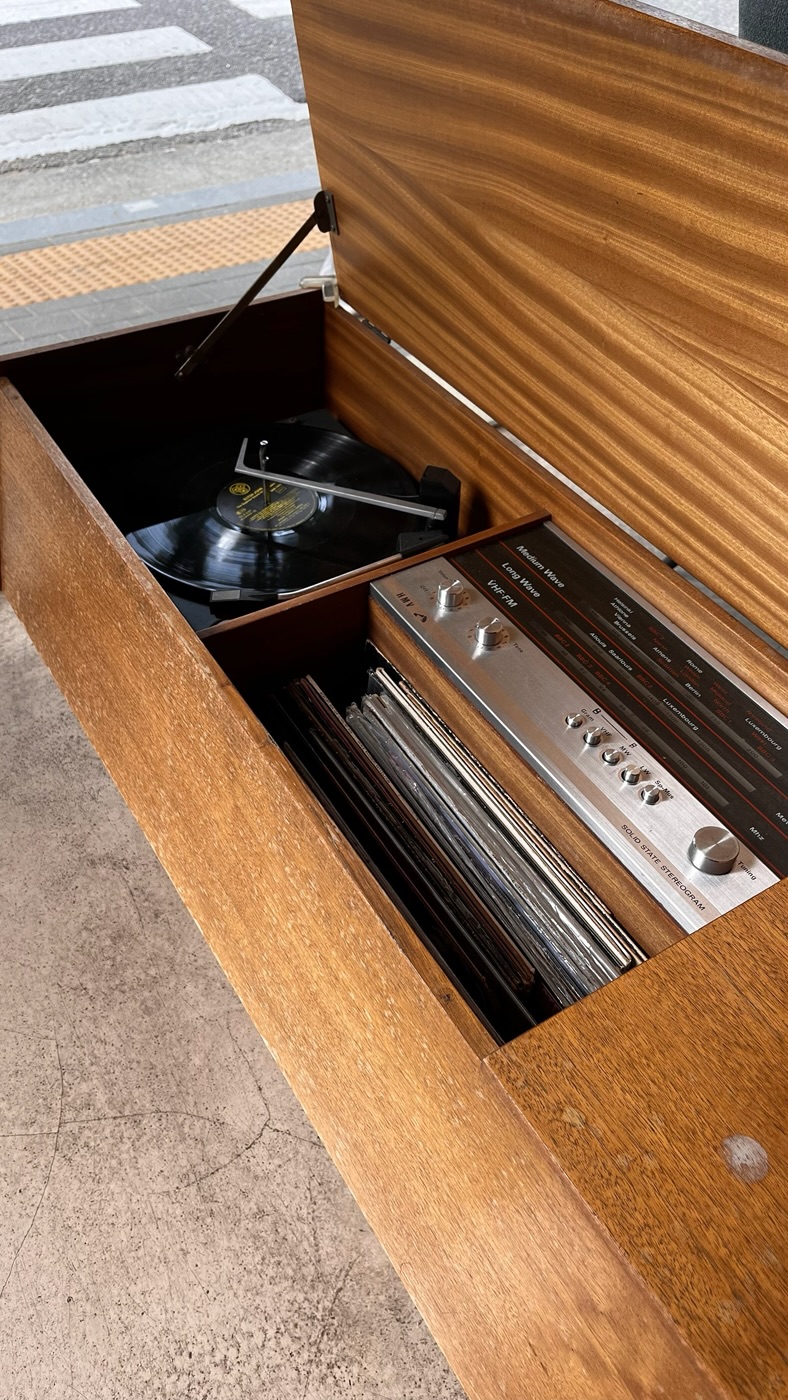
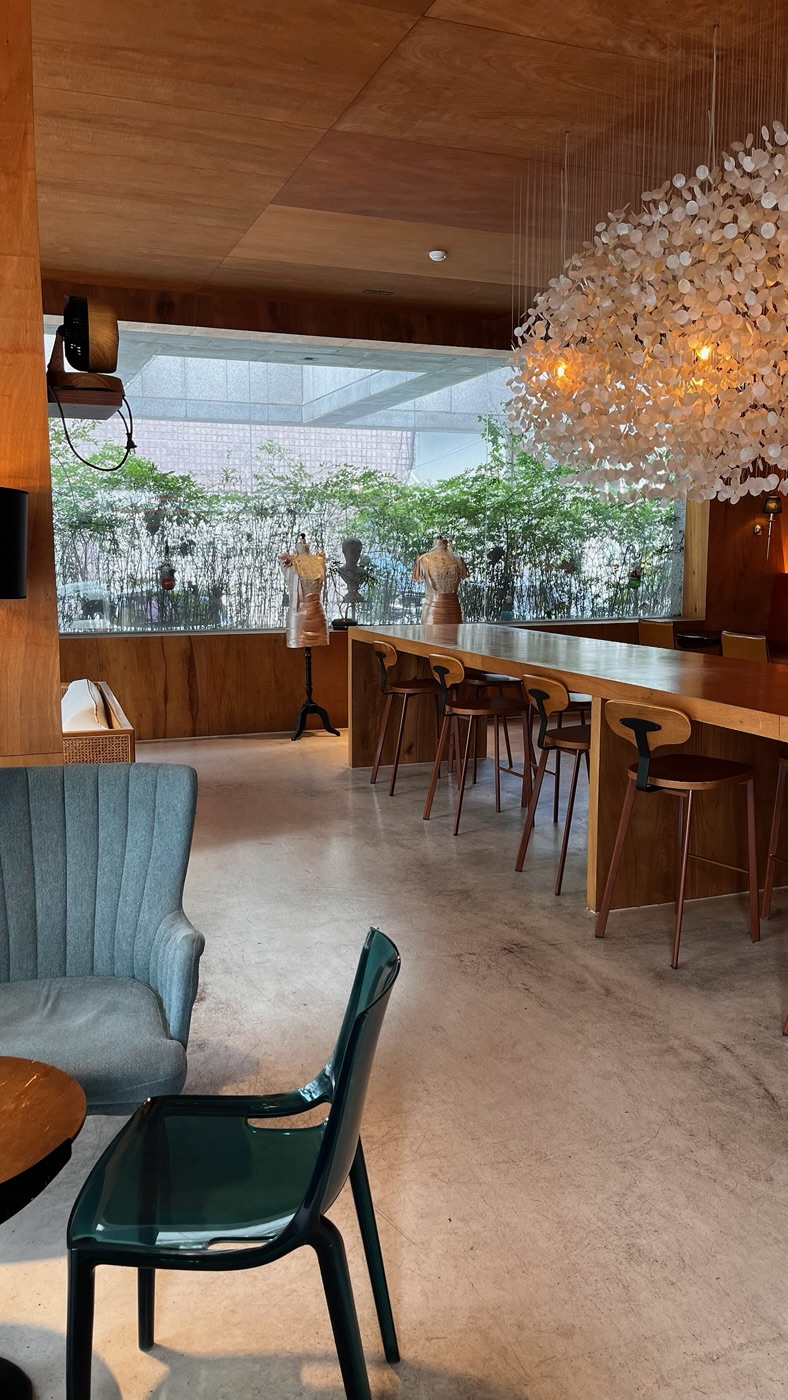
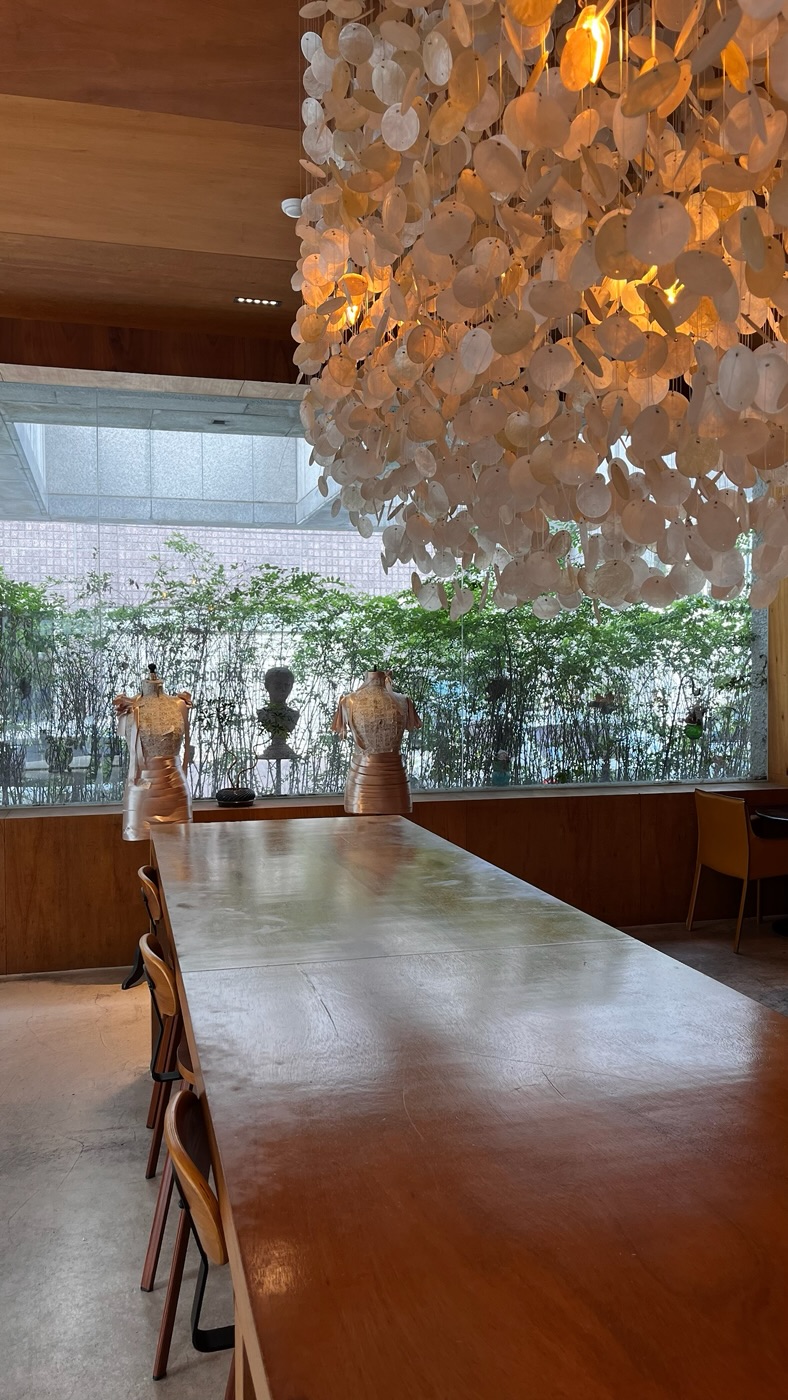
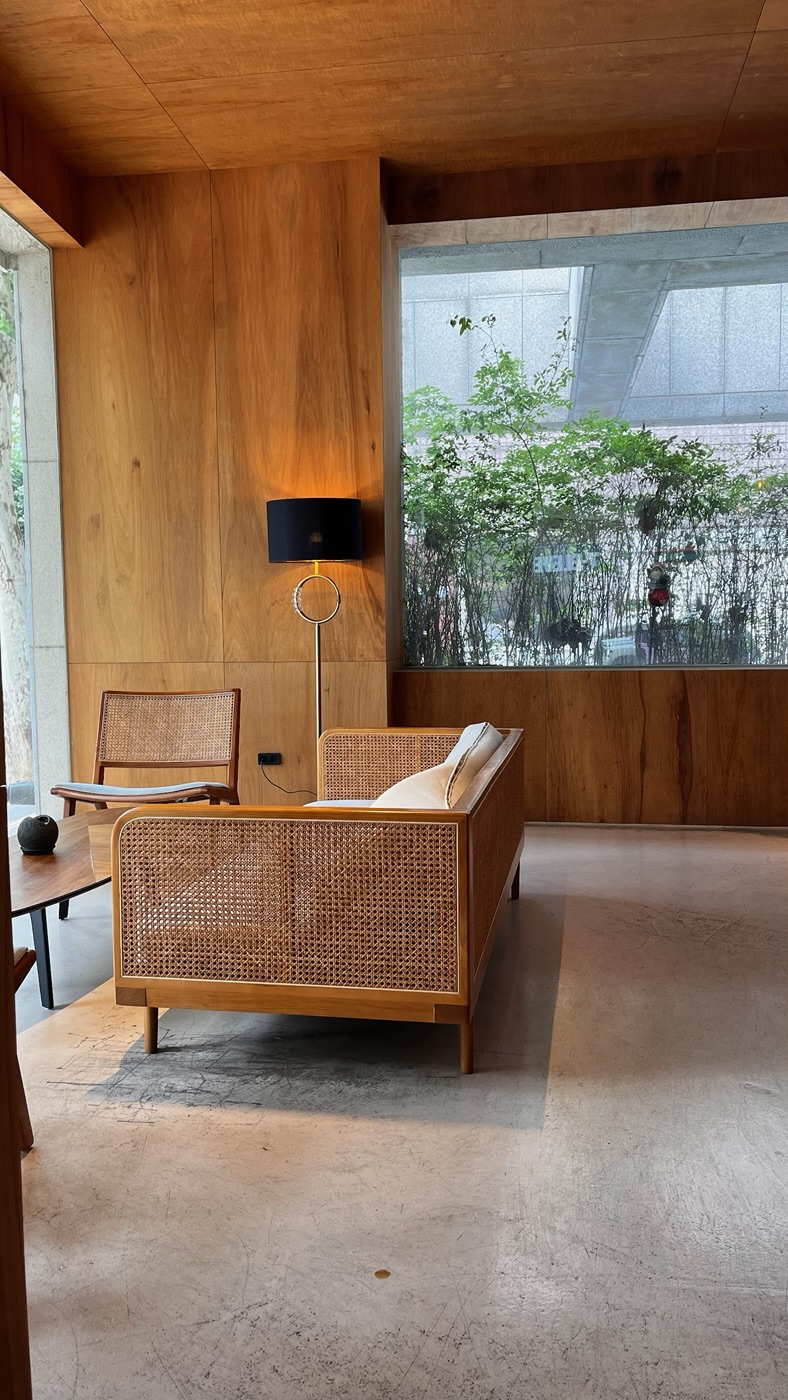
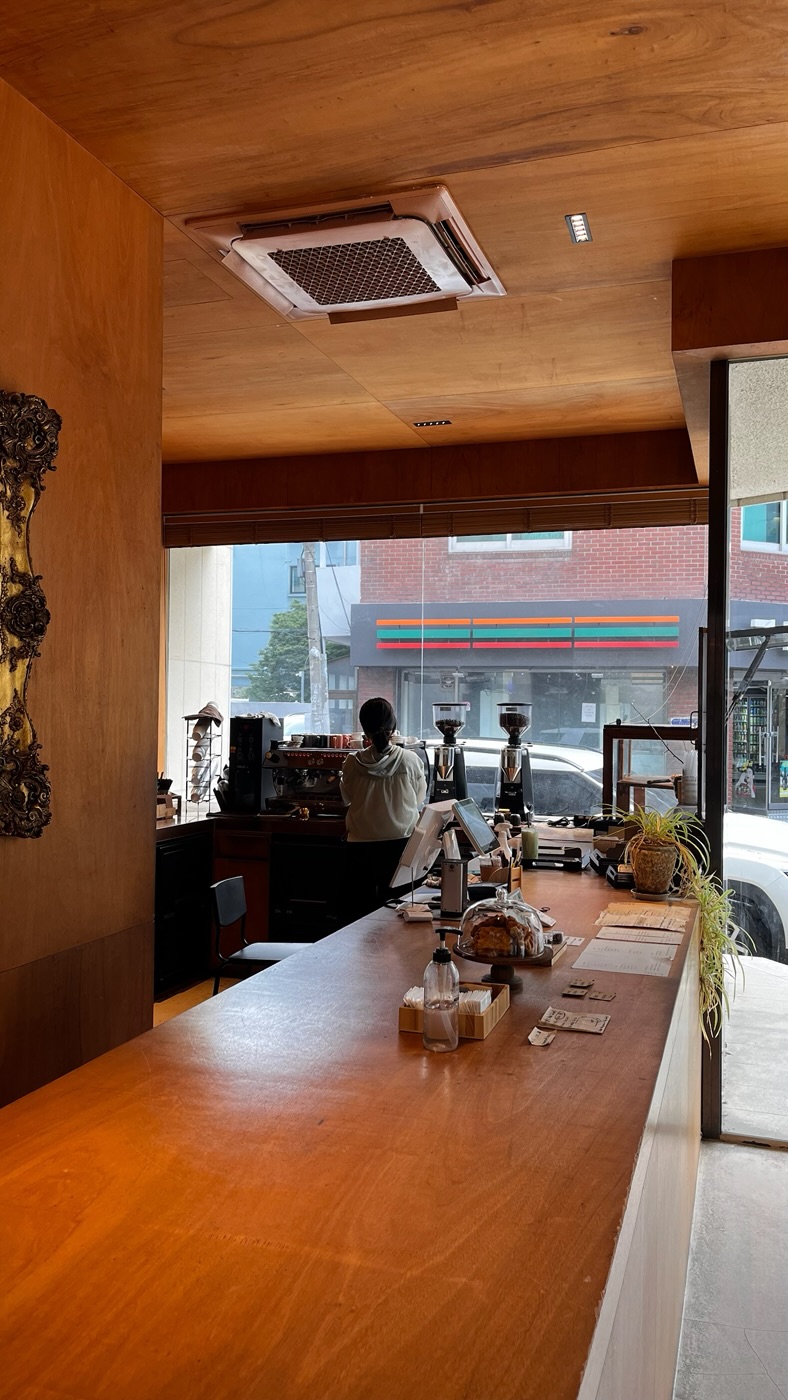
The place has a musical side too: in the room there's a wooden cabinet with a turntable and a pile of records. The long table, the pale chandeliers and the wood everywhere make it a place where you're happy to stop, in the middle of the day, watching the street through the steel door.

For those like us who put music into every stop, it's proof that in Seoul even a sweet break can come with a record spinning.

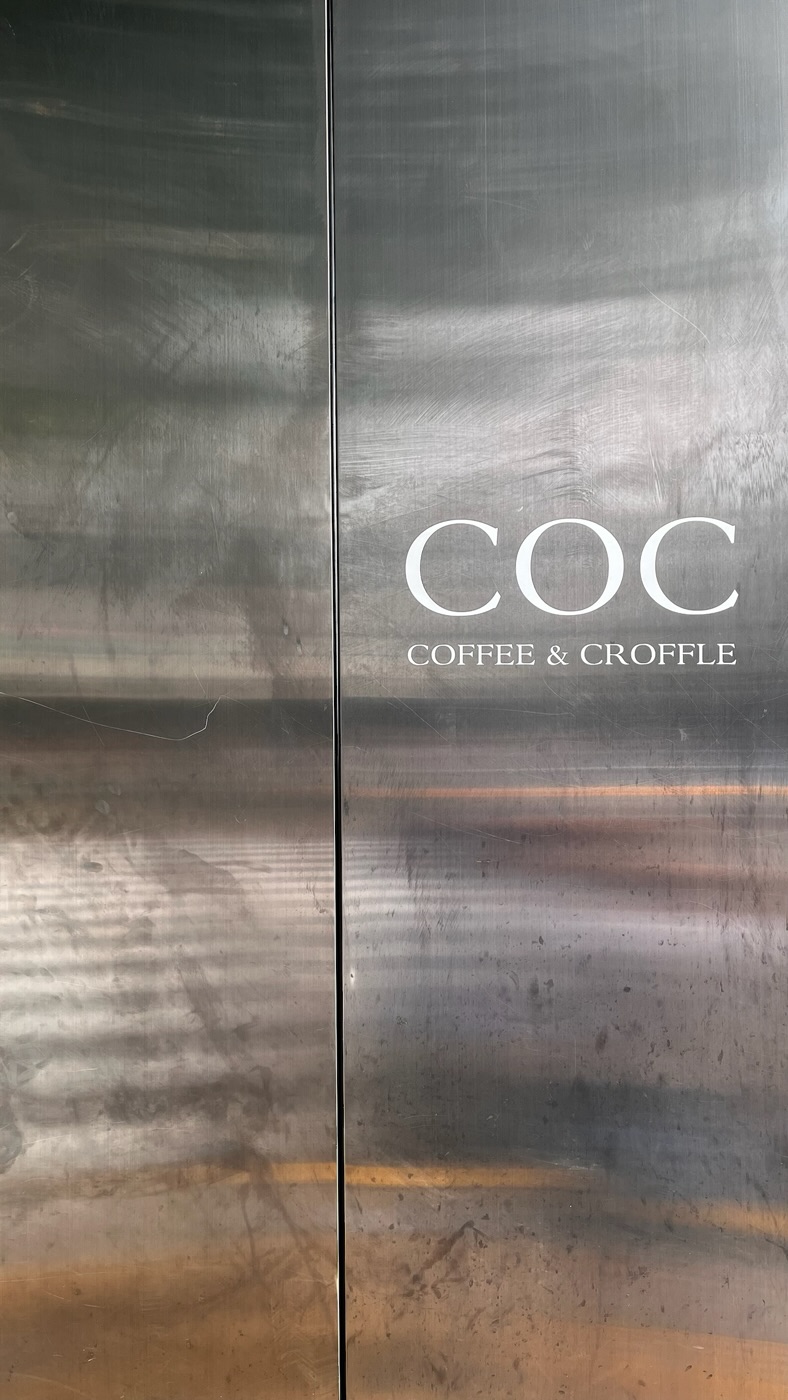
Il croffle con gelato e cioccolato e il matcha latte da COCIl mobile di legno con il giradischi da COCIl giradischi aperto nel mobile di legno, con i dischi accantoLa sala di COC con il tavolo lungo e i lampadariIl tavolo lungo e il grande lampadario di COCUn angolo di COC con il divano e la vista sulla stradaIl bancone di COC visto dalla salaLa porta d'acciaio con la scritta COC Coffee & Croffle

Seoul: Eating And Drinking

Between one shop and the next, Seoul is also explored at the table: the hand-made noodles of Gwangjang market, the pocha of Insa-dong (open-air stall-taverns) with grilled pork belly, cold noodles and soju, and street sweets like hotteok and the shaved-ice dessert injeolmi bingsu.

Another Seoul is waiting in Ikseon-dong: according to VisitSeoul and VisitKorea, the hanok, the traditional houses built in the 1920s and 1930s, have been turned into cafés, restaurants and little shops, and since 2018 the area has been protected as a hanok conservation area. Walking there in the evening, among low roofs and glowing signs, gives you the feeling of being in two eras at once.

Between one stop and the next we also treated ourselves to some ‘postcard’ city: the hanok villages of Bukchon, the Gyeongbokgung palace with the changing of the guard, the cultural street of Insa-dong and, for one day, the tour to the demilitarised zone (DMZ).

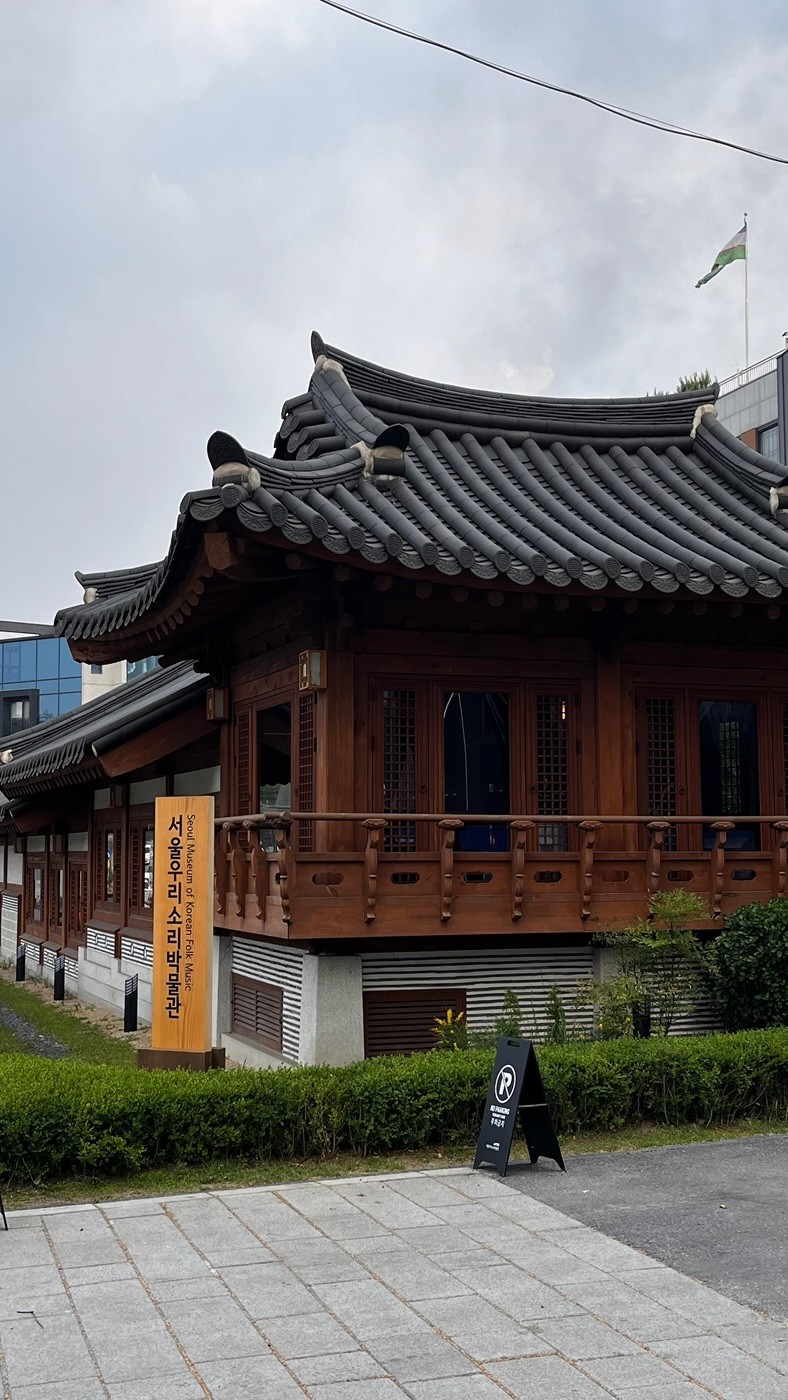
Un edificio tradizionale in stile hanok nel centro di Seul
10

Nest Of Goose

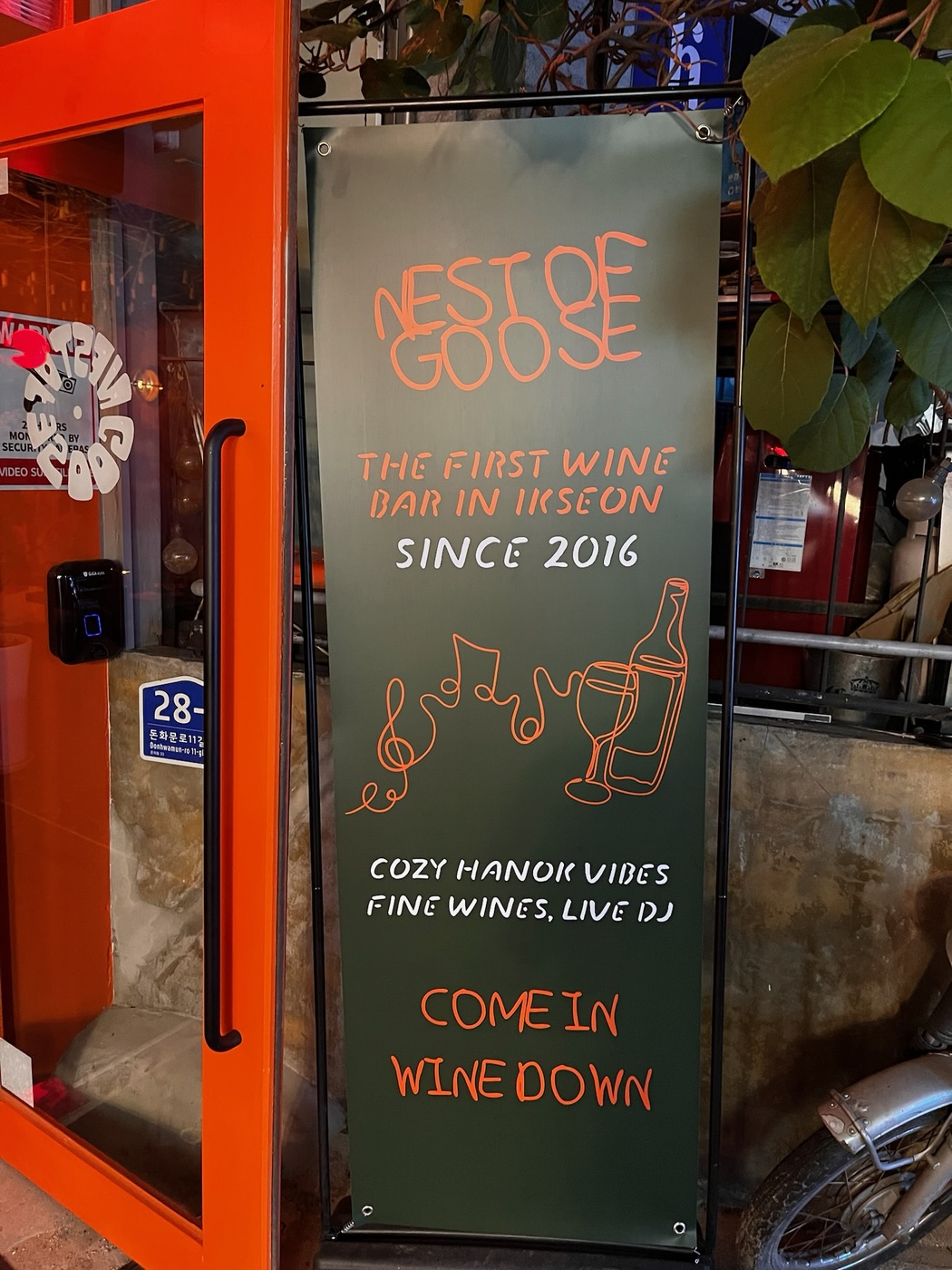
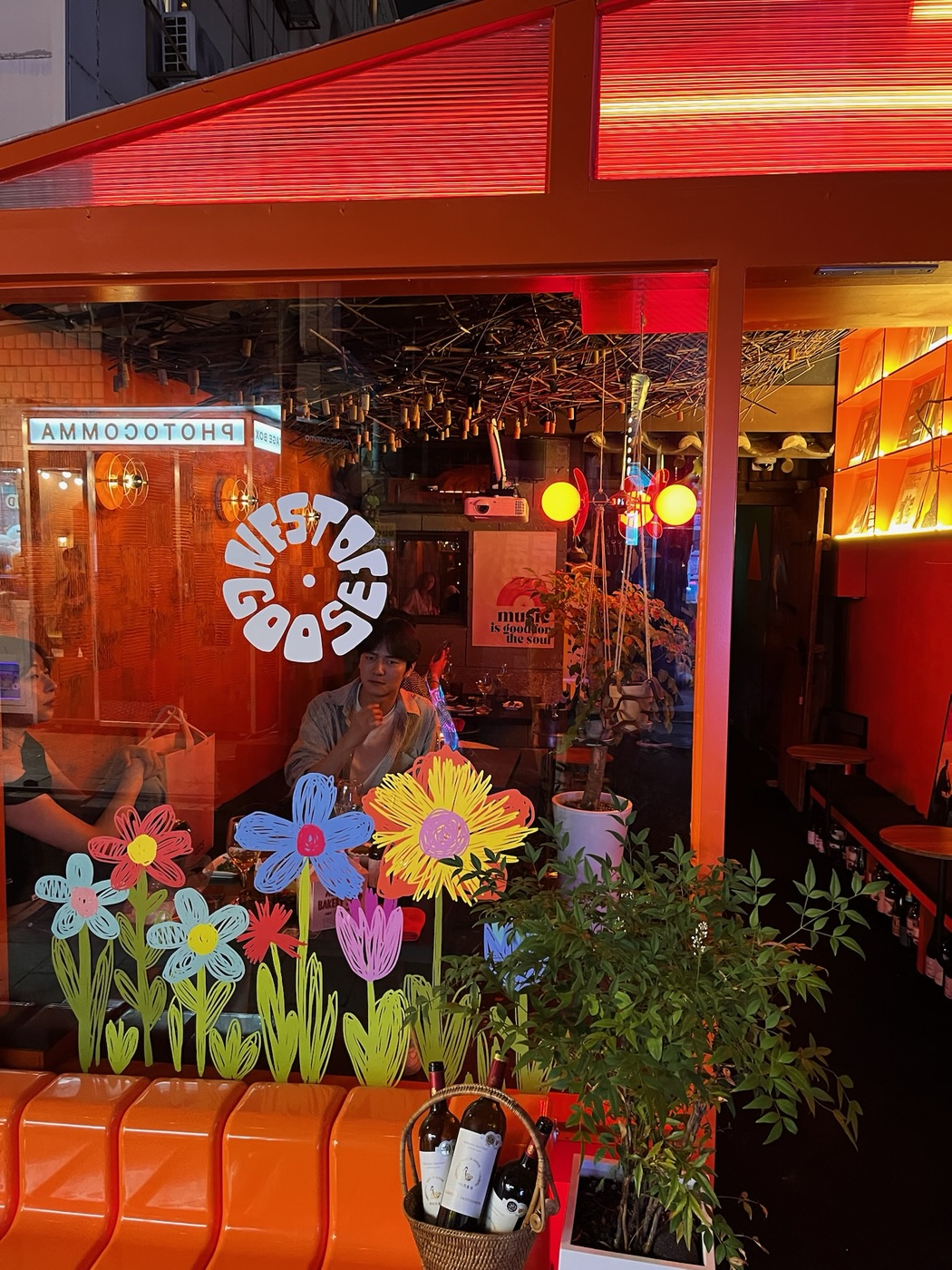
Ikseon-dong is the neighbourhood of hanok turned into venues. Near where we had dinner with friends we noticed Nest of Goose: as the sign at the entrance says, ‘the first wine bar in Ikseon since 2016’, with a hanok atmosphere, good wines and live DJs.

The orange door and the window full of colourful flowers are impossible not to photograph: in the evening, with the lights on, it looks like a little theatre in the middle of the alley.

Il cartello all'ingresso di Nest of Goose, wine bar a Ikseon-dongLa vetrina di Nest of Goose con i fiori colorati

Gyeongju

From Seoul we took the train to Gyeongju, and the pace changed at once. Gyeongju was the capital of the Silla kingdom (from 57 BC to AD 935) and its historic areas have been a UNESCO heritage site since 2000. This is where you'll find Cheomseongdae, which VisitKorea describes as the oldest astronomical observatory in Asia, and all around it a large park of burial mounds that look like grassy hills in the middle of the city.

After the neon of Seoul, walking among those tombs and the lanes of traditional houses of Hwangnidan-gil felt like changing channel. We ate at a traditional Korean restaurant (Hongsi Hanjeonsik), tried the braised short ribs (galbijjim) at Geosong and had coffee in a traditional house along Hwangnidan-gil, at Cheongsudang. And, we admit it, we also grew fond of the Paris Baguette bakery, which became a sort of travel habit.

And then there's the place that stayed closest to our hearts, a stone's throw away.

11

Vinyl Vibe

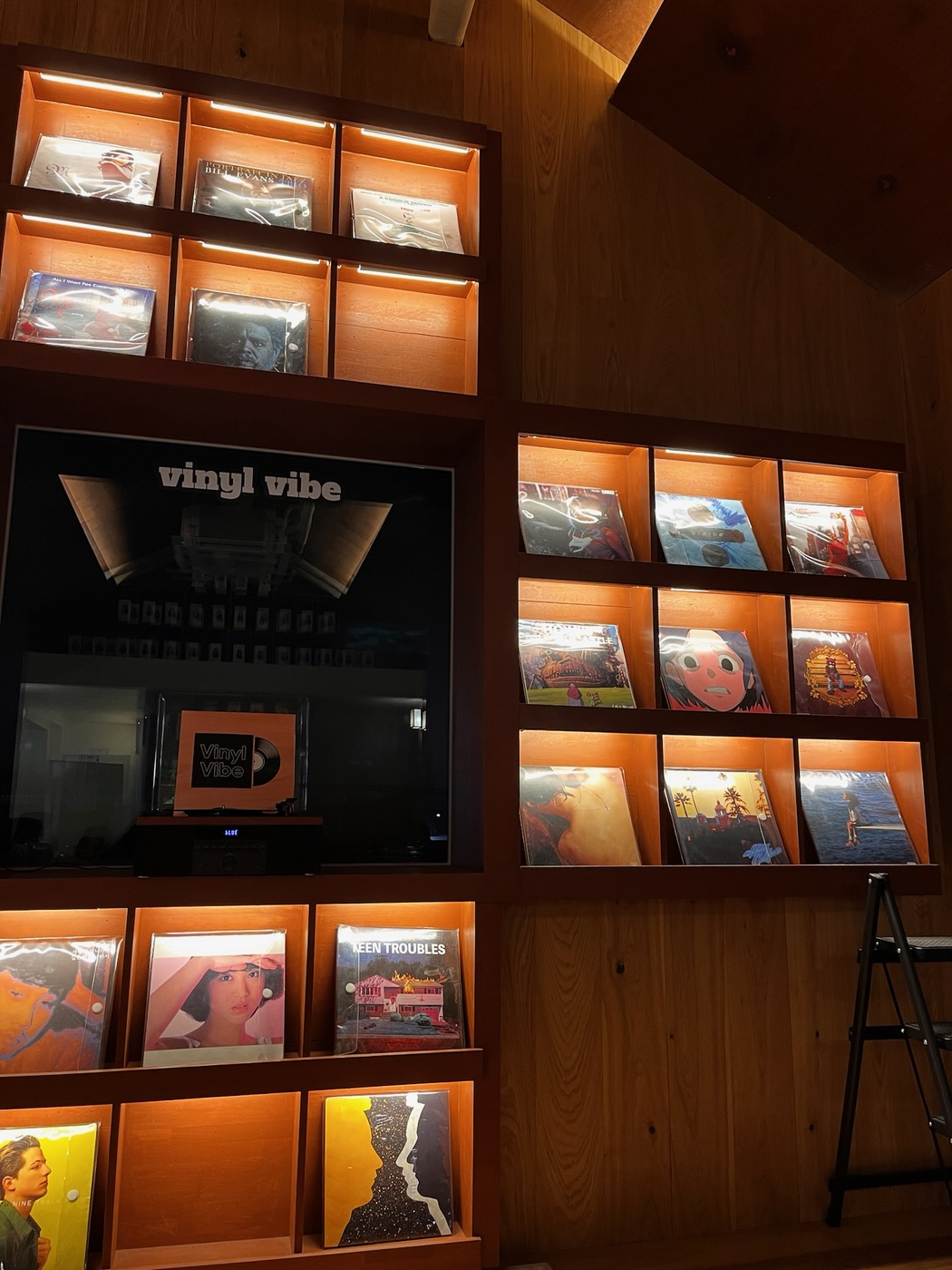
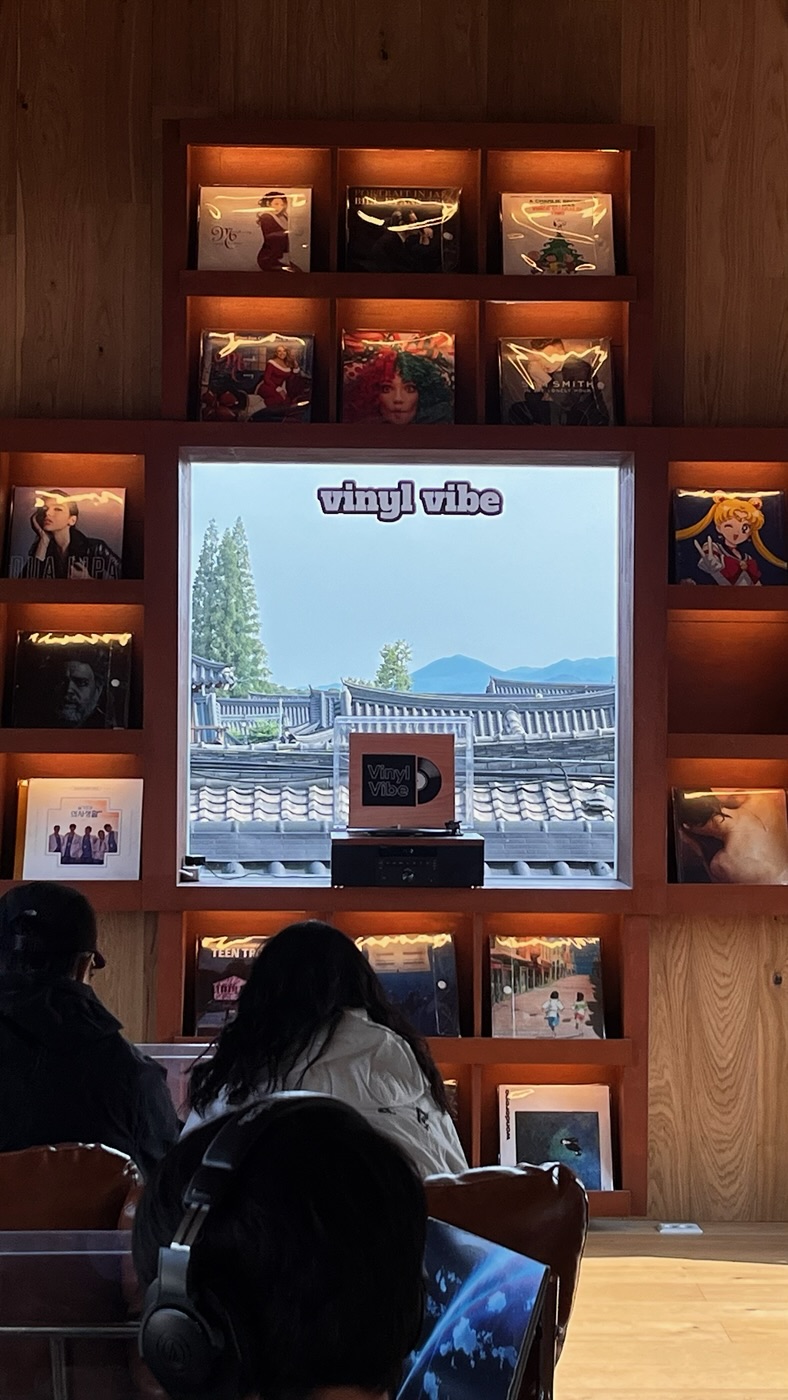
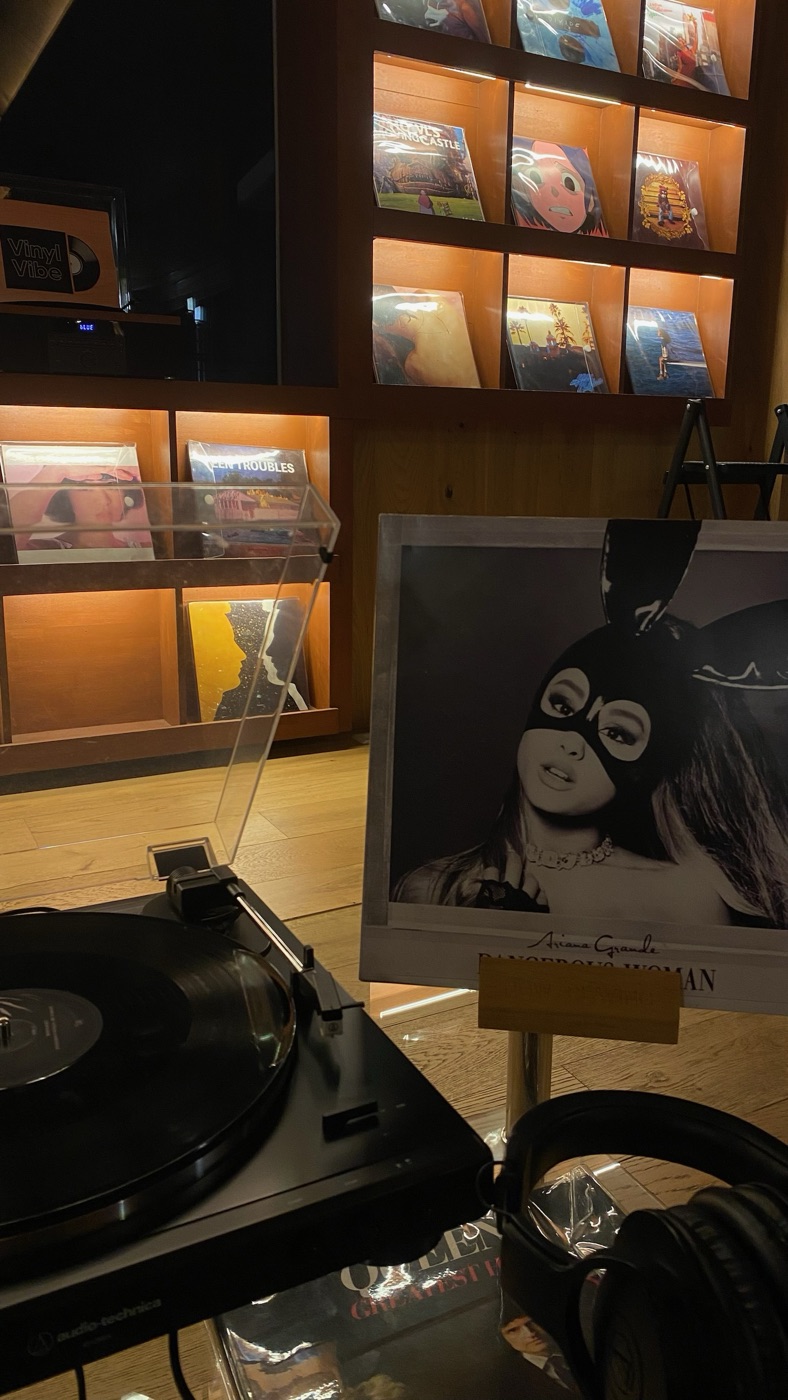
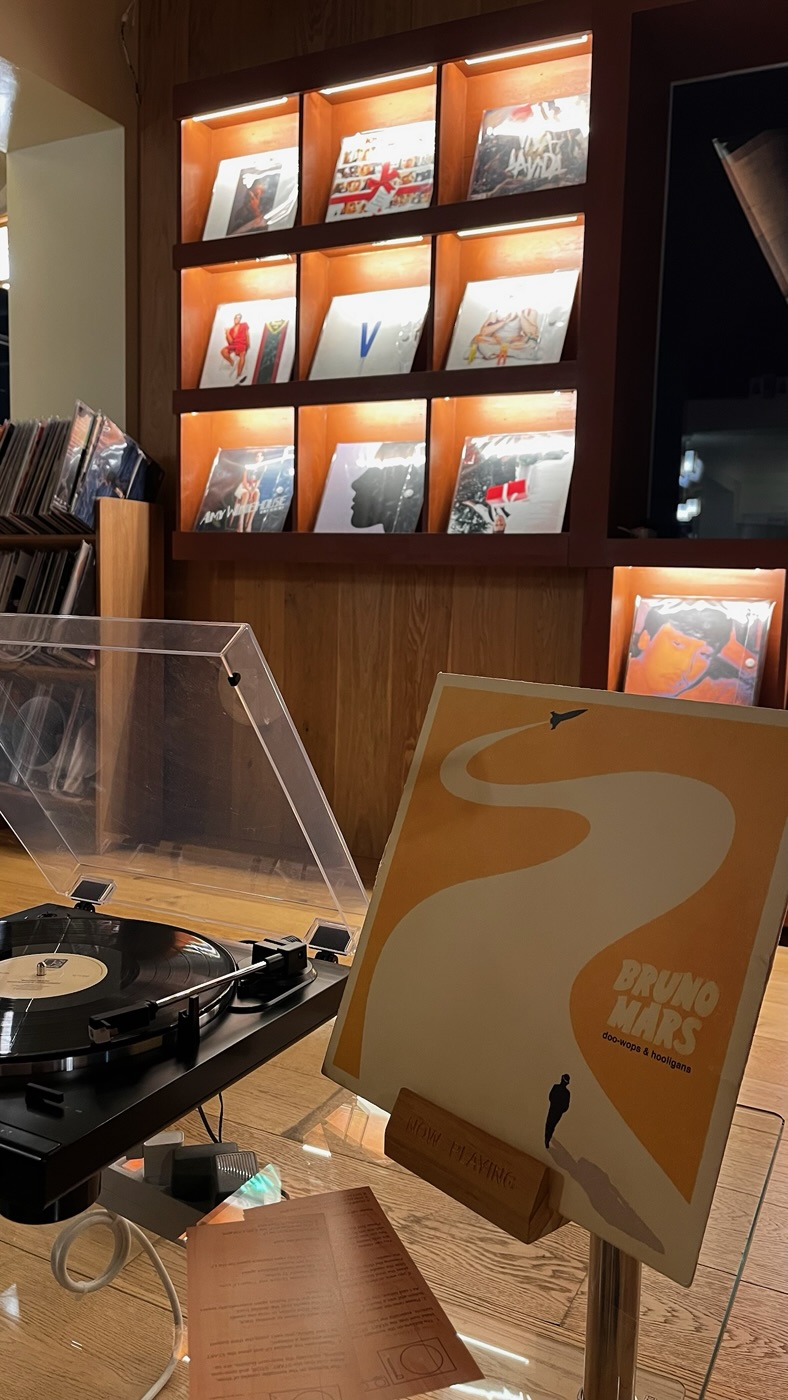
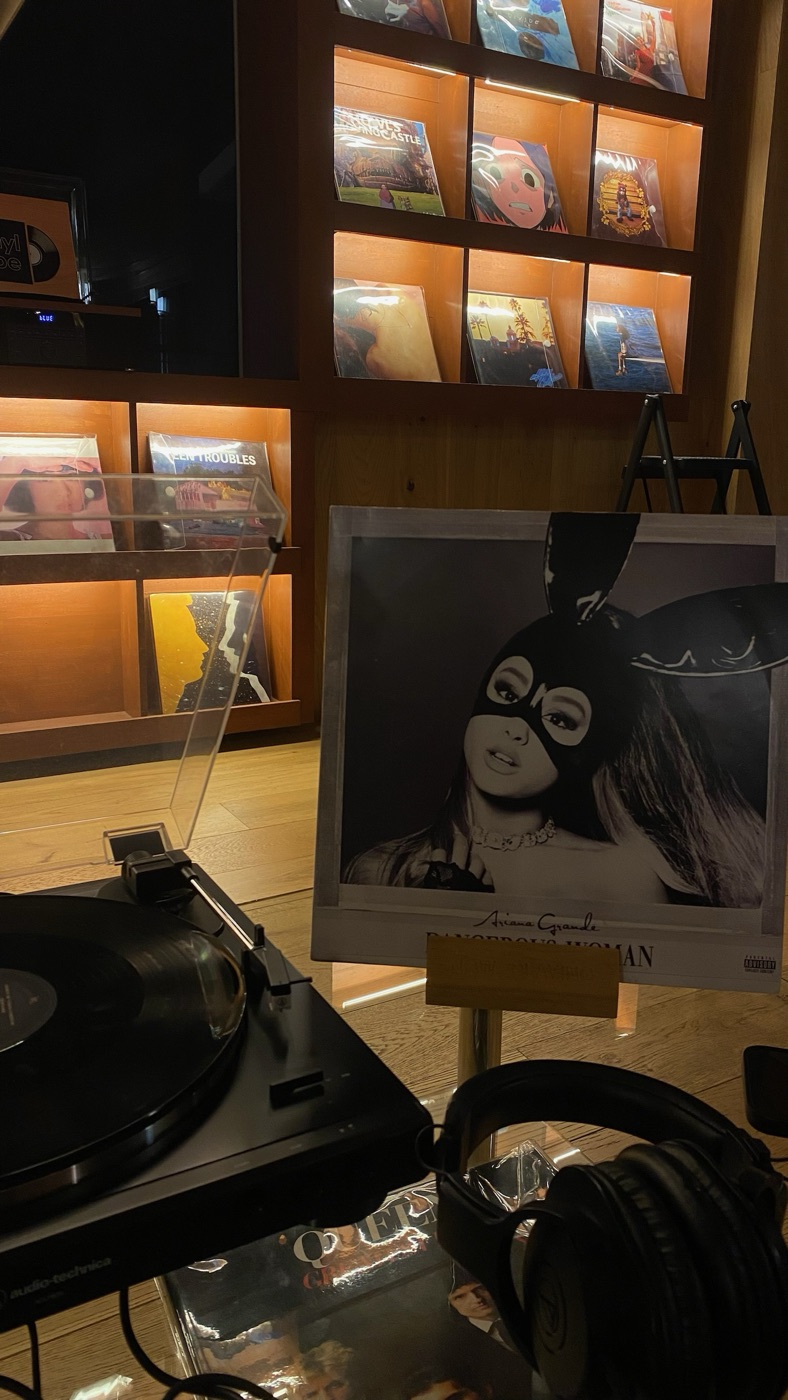
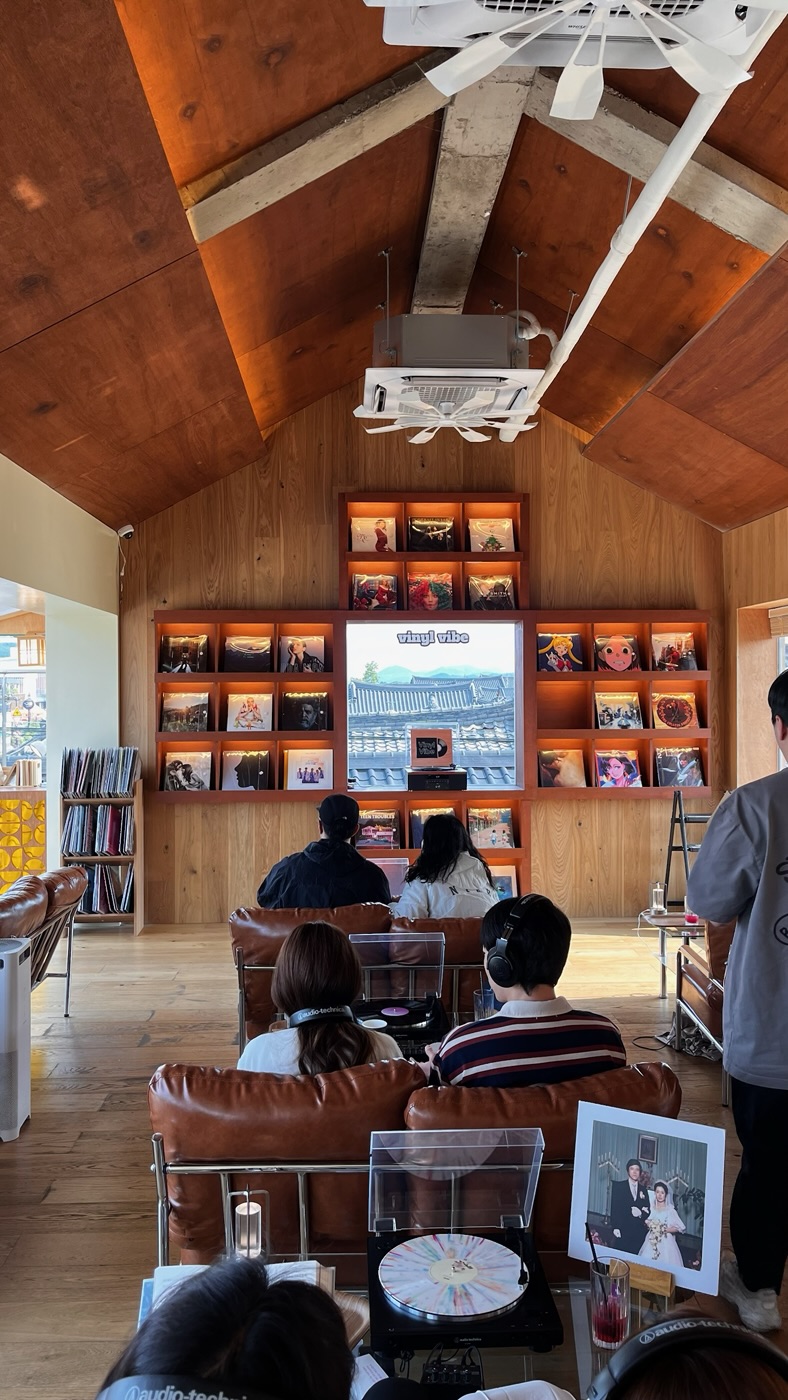
As soon as you walk in, the first thing you notice is the light: an all-wood venue, with shelves of lit-up covers and, in the middle, a screen showing the view over the traditional rooftops. Outside, the window is plastered with record covers.

At the tables there are turntables with headphones, and people listen to records in silence, some with a book in hand. Nobody is in a hurry: it's the place where the slowness of Gyeongju and music get along best.

We went back the next evening too, when the orange lights of the shelves were warmer still. If we had to choose just one place in all of Korea, it would be this one.

La sala di Vinyl Vibe con gli scaffali di vinili e lo schermo con la vista sui tettiGli scaffali illuminati con le copertine dei dischi a Vinyl VibeGli scaffali di vinili a Vinyl Vibe, con le cuffie in primo pianoUn giradischi con le cuffie a un tavolo di Vinyl VibeIl giradischi, le cuffie e un disco esposto a Vinyl VibeUn giradischi e una copertina arancione sul tavolo di Vinyl VibeIl disco esposto accanto al giradischi e alle cuffie

Busan

In Busan the sea took the place of the neon. We spent our days between Haeundae beach, the skyscrapers that form its backdrop, the colourful villages on the hills and one dinner after another: in Busan we ate well at every hour.

Here the photos are more ‘travel’ than ‘venue with music’, but the thread is the same: the places where the city is listened to, looked at and tasted.

12

Gamcheon Culture Village

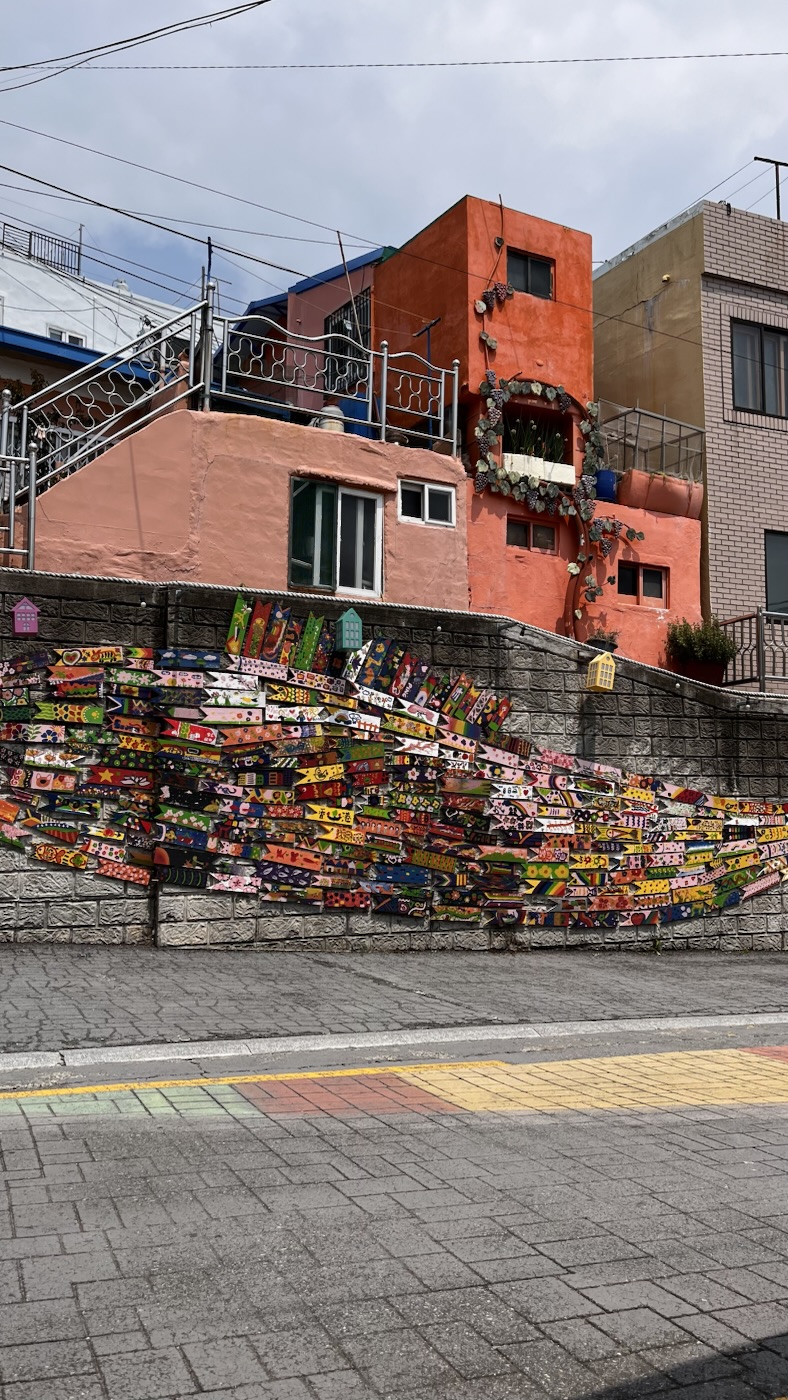
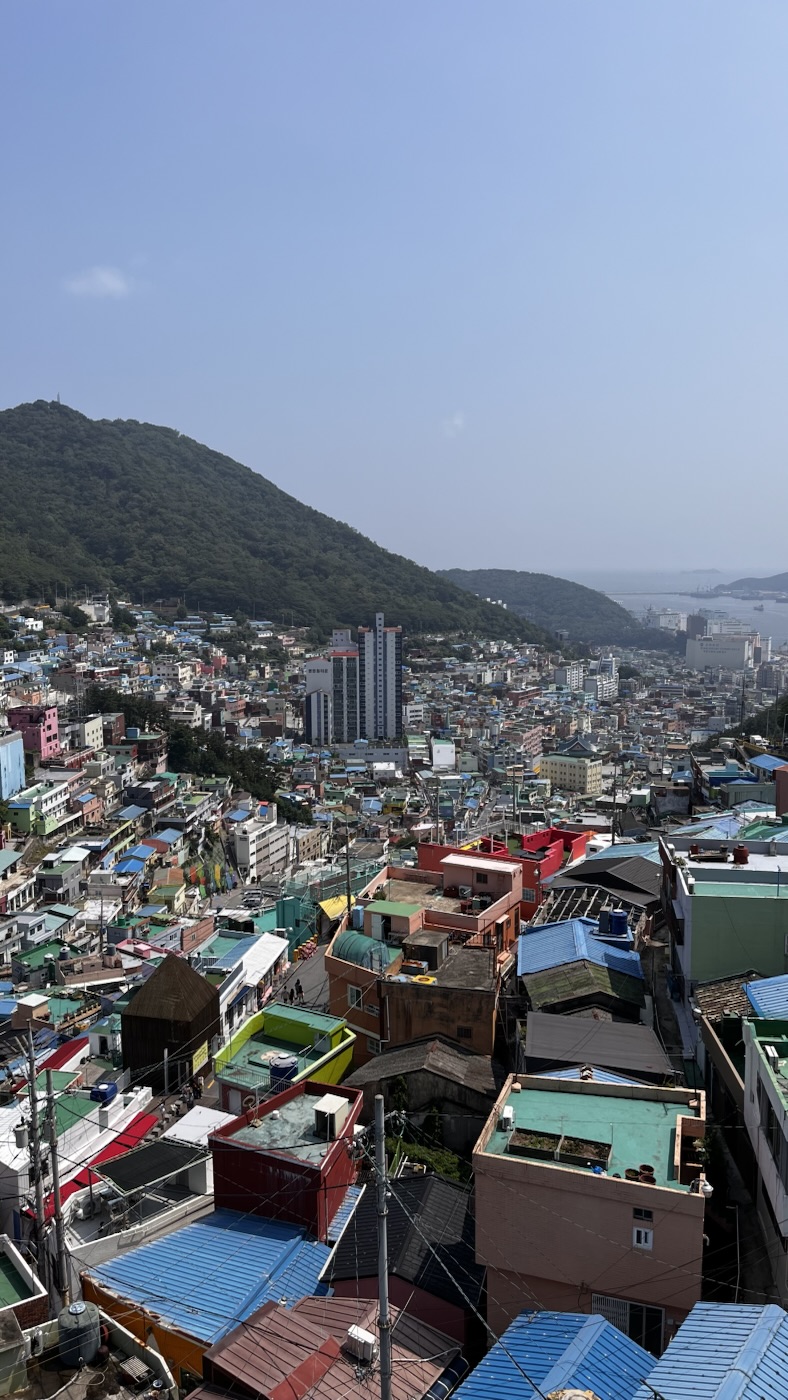
Gamcheon, according to VisitBusan, began as a refugee settlement during the Korean War: the houses were built in steps up the hillside, one above the other, and even today the lanes are shaped like a maze. With an art project that started in the late 2000s, those houses were repainted in pastel colours and filled with murals and statues.

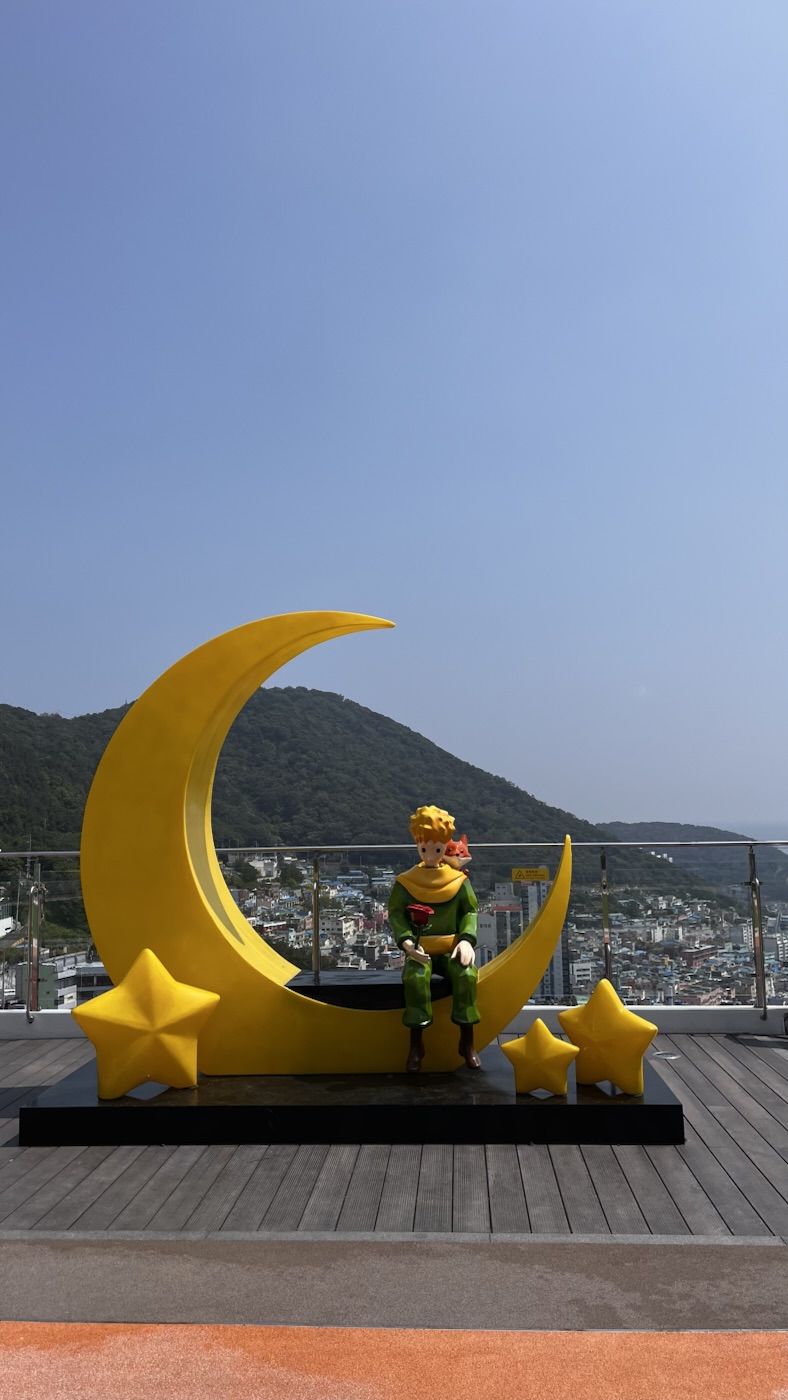
We arrived with the sun high and got lost among stairs covered in painted books, a Little Prince sitting on a yellow moon in front of the valley and a panorama of colourful rooftops stretching all the way to the sea. It's one of those places where you walk with your nose in the air.

Una scala di Gamcheon dipinta con una cascata di libri coloratiIl Piccolo Principe seduto su una luna gialla, con la collina sullo sfondoIl panorama sulle case colorate di Gamcheon
13

Haeundae Beach

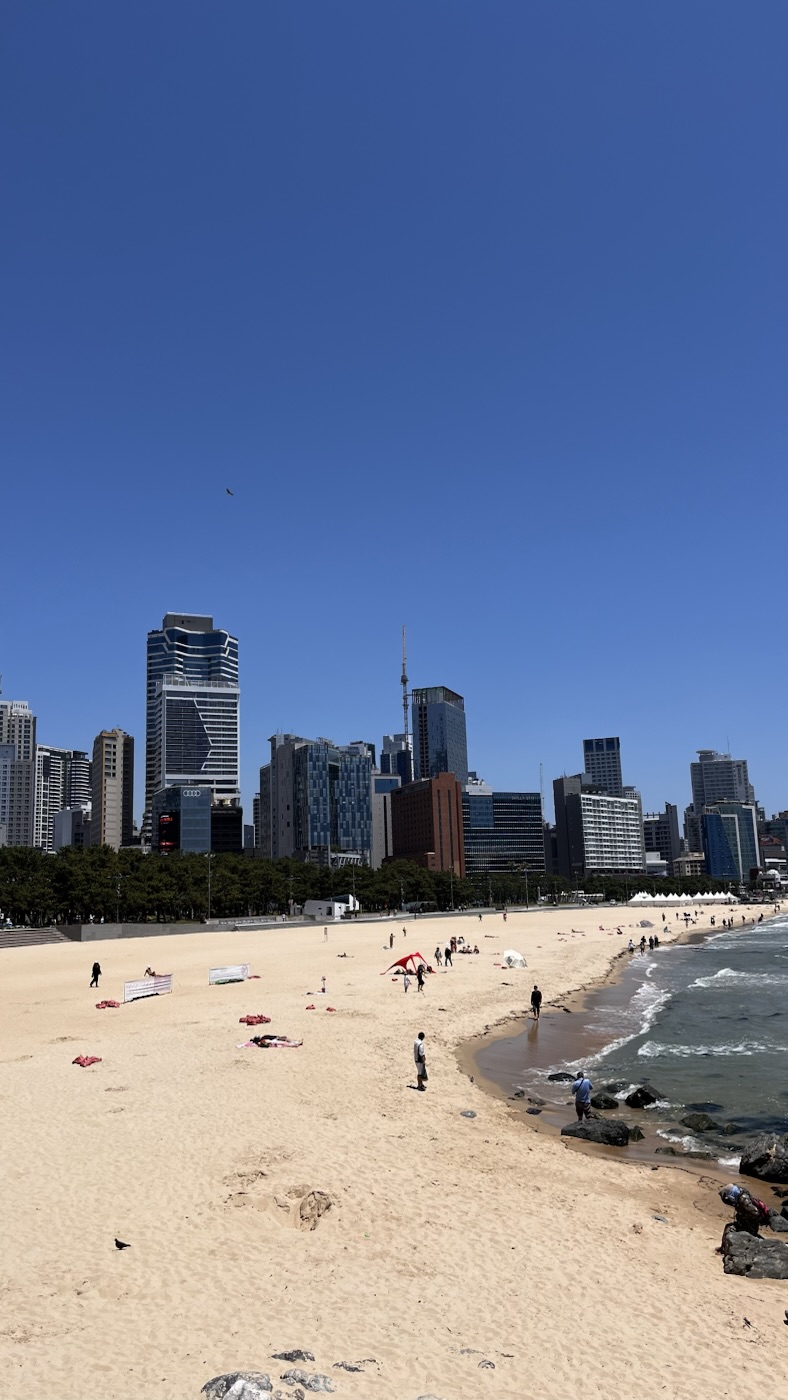
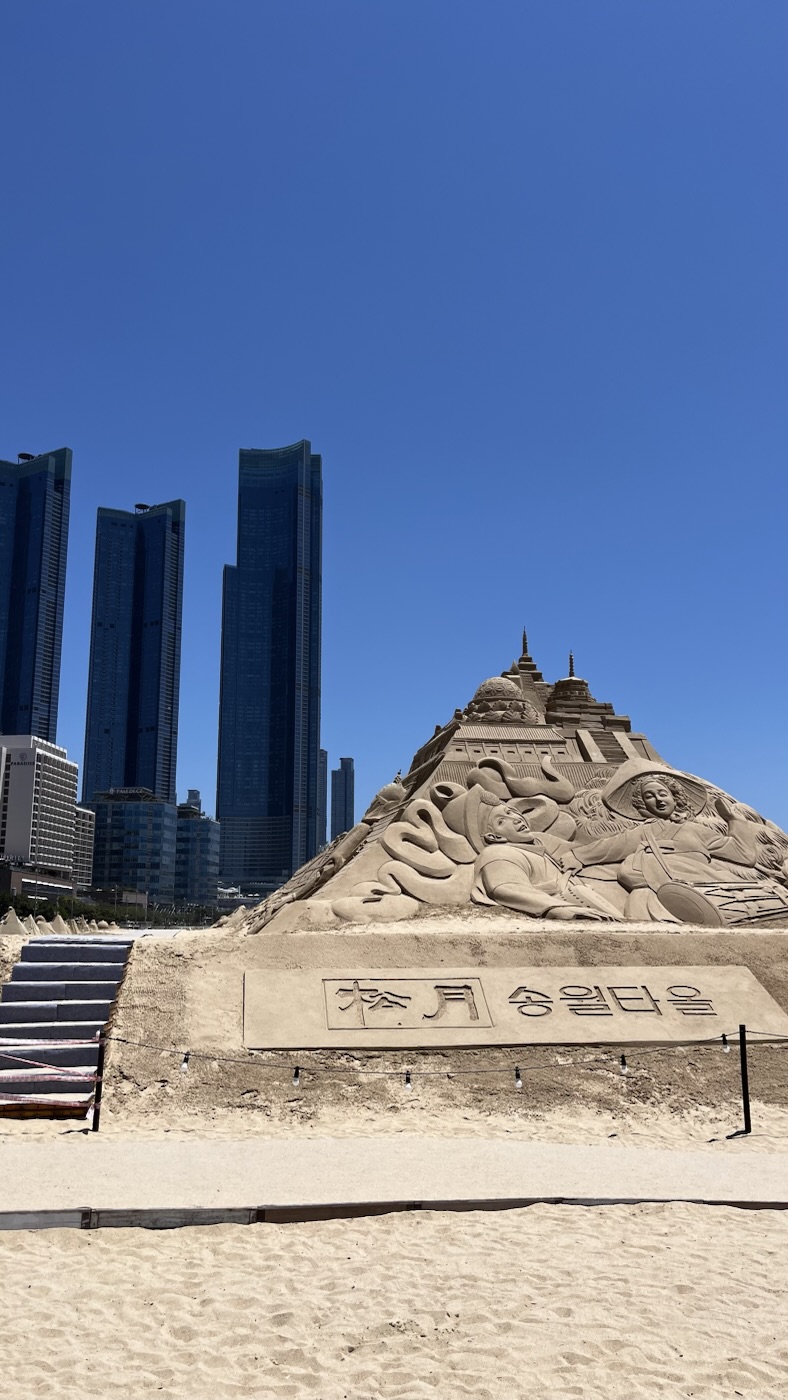
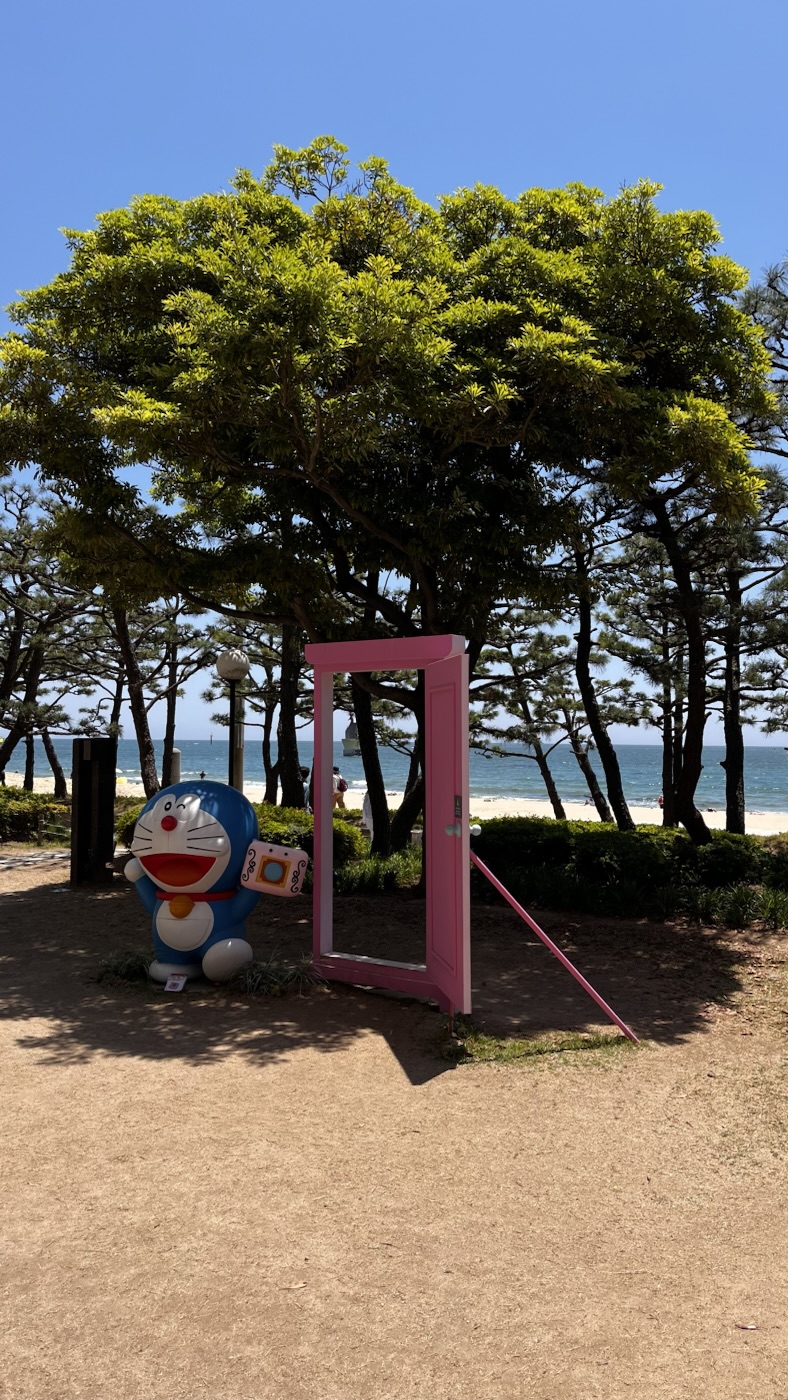
Haeundae is Busan's beach, with a long stretch of pale sand and a row of skyscrapers behind it. We strolled there by day, past a gigantic sand sculpture with the buildings in the background and a corner among the trees with a Doraemon statue and a pink door opening onto the sea.

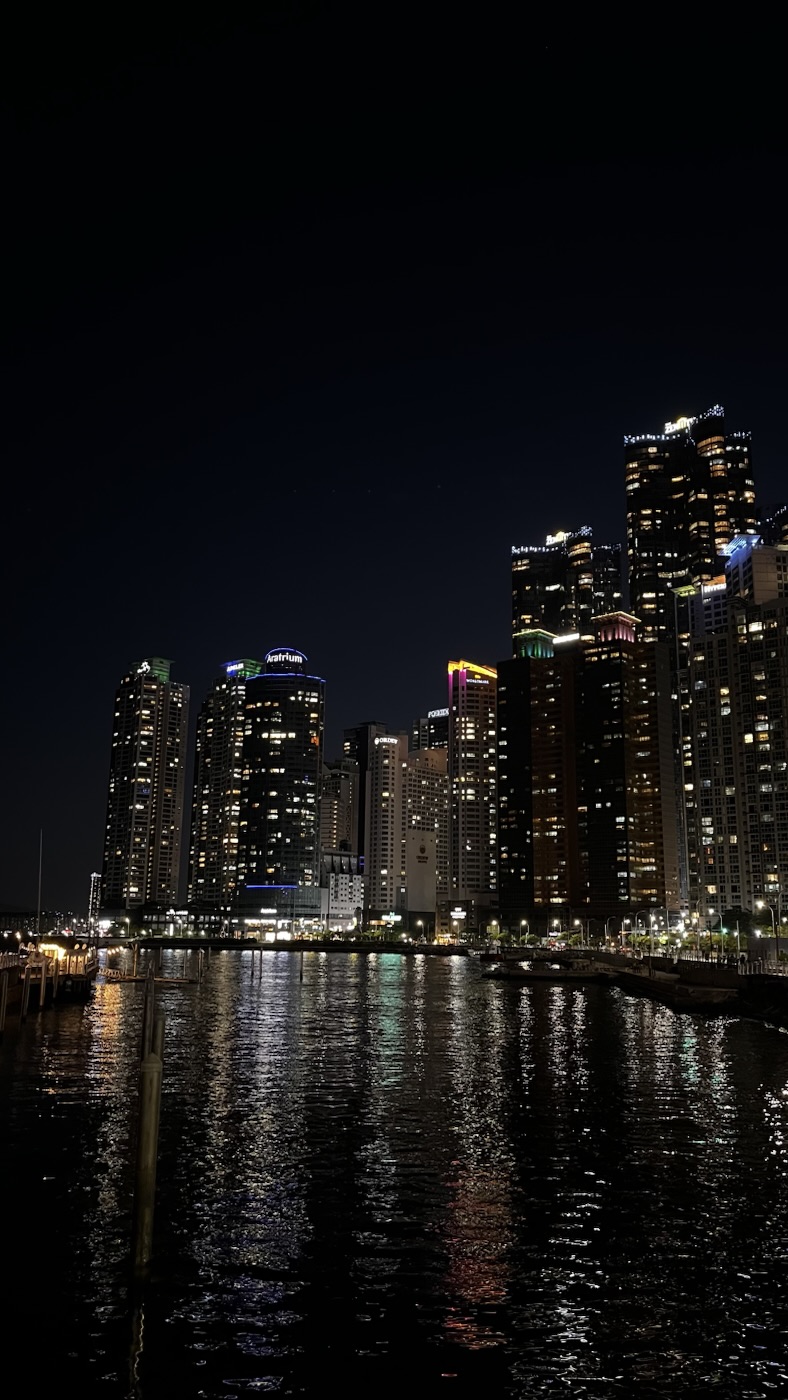
In the evening the same view changes: the seafront lights up and the skyscrapers are reflected in the water. A place to stop and do nothing, which in Busan is already something to do.

La spiaggia di Haeundae con i grattacieli sullo sfondoUna grande scultura di sabbia sulla spiaggia di Haeundae, con i grattacieli dietroUna statua di Doraemon e una porta rosa tra gli alberi, vicino al mareI grattacieli di Busan di sera, riflessi nell'acqua
14

Standard Bread

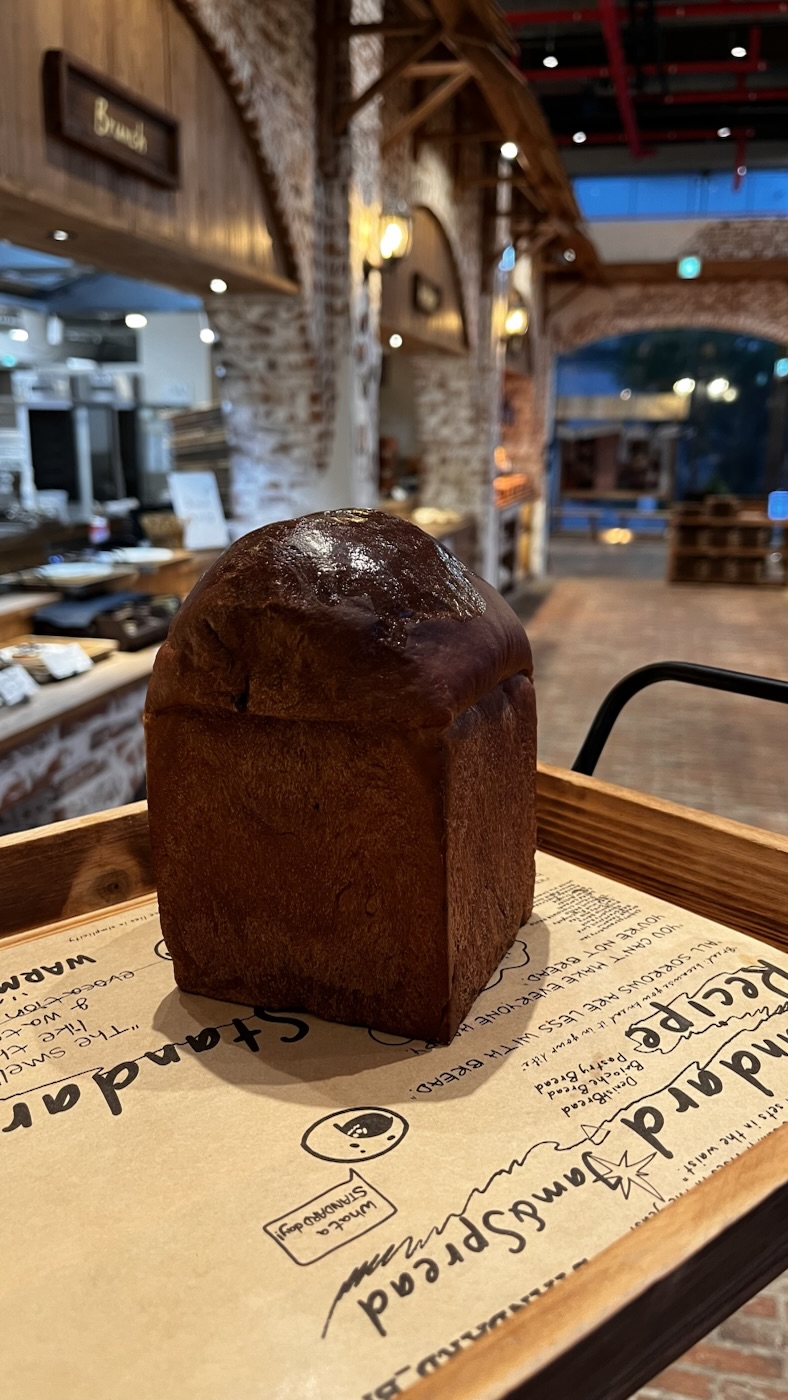
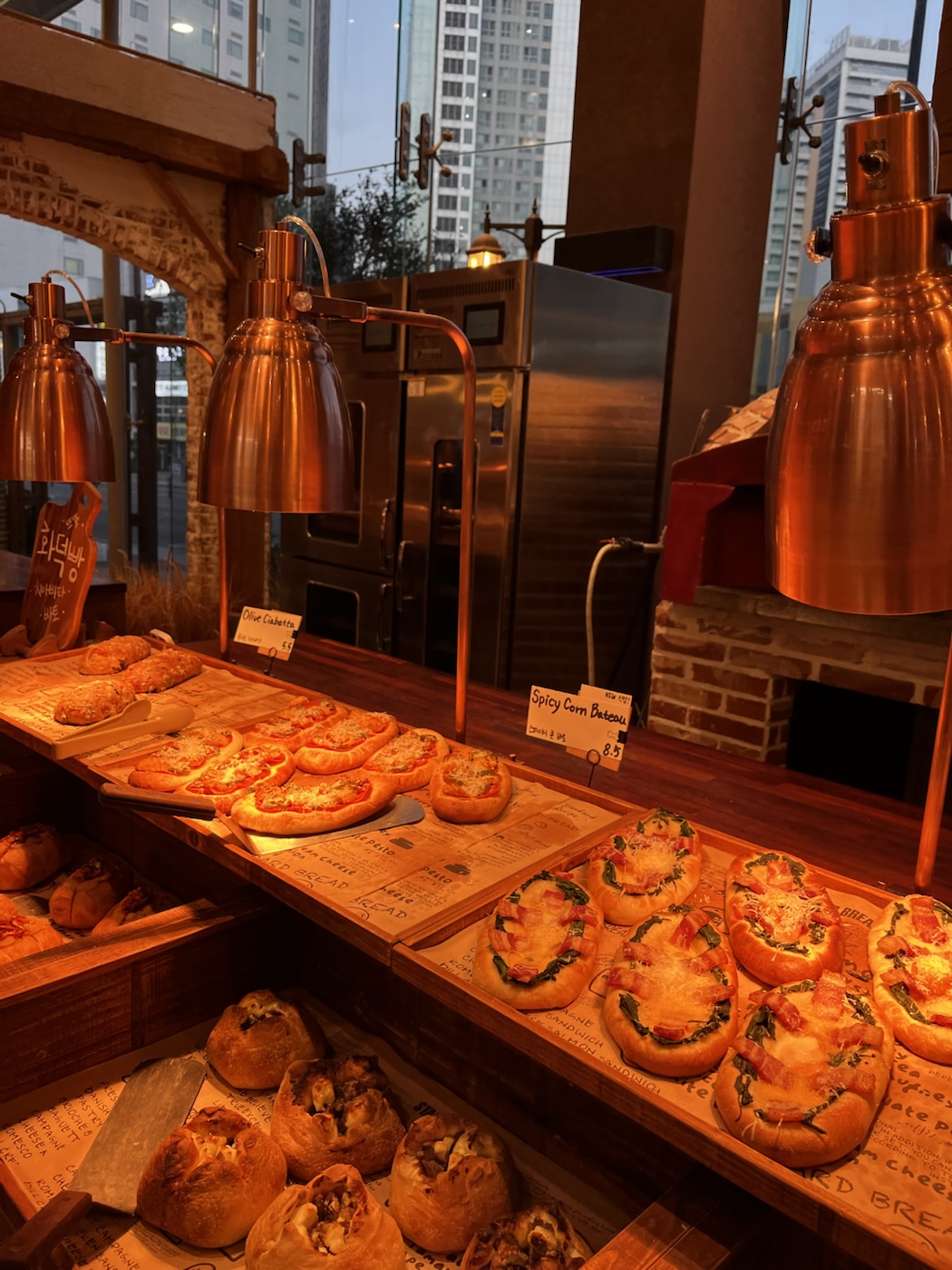
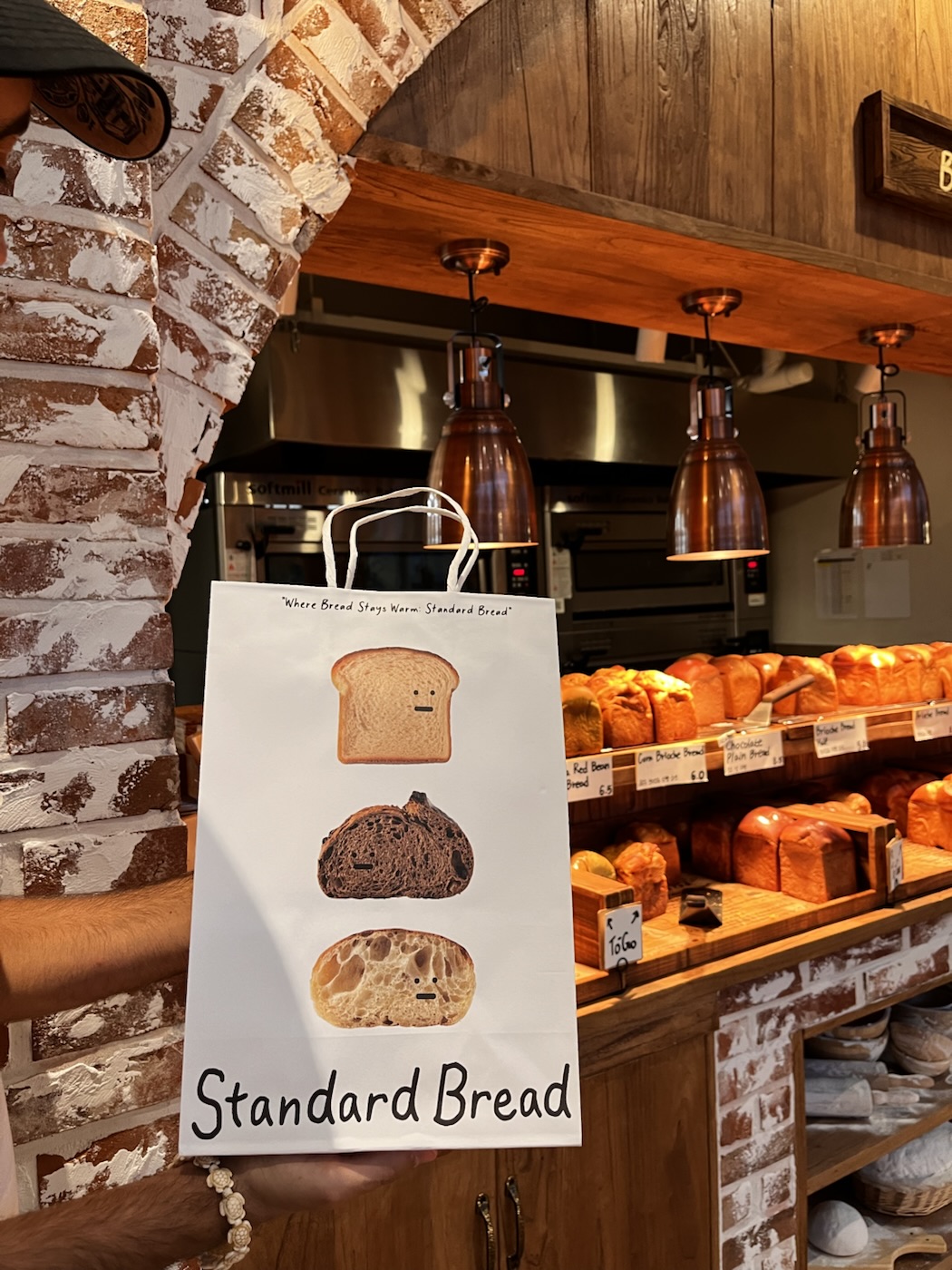
A bakery with an open oven, warm lights above the counter and trays full of bread and pastries. The name ‘Standard Bread’ is written on the bag and on the menu, and the dark loaf, resting on the tray, is the one that stayed in our minds.

We went in late in the afternoon, halfway between the beach and dinner: the bread under the lamps is displayed like an object to be admired.

Il pane di Standard Bread sul menuIl bancone con il pane sotto le luci calde di Standard BreadIl sacchetto di Standard Bread davanti al forno a vista
15

Mandu And Soup in Haeundae

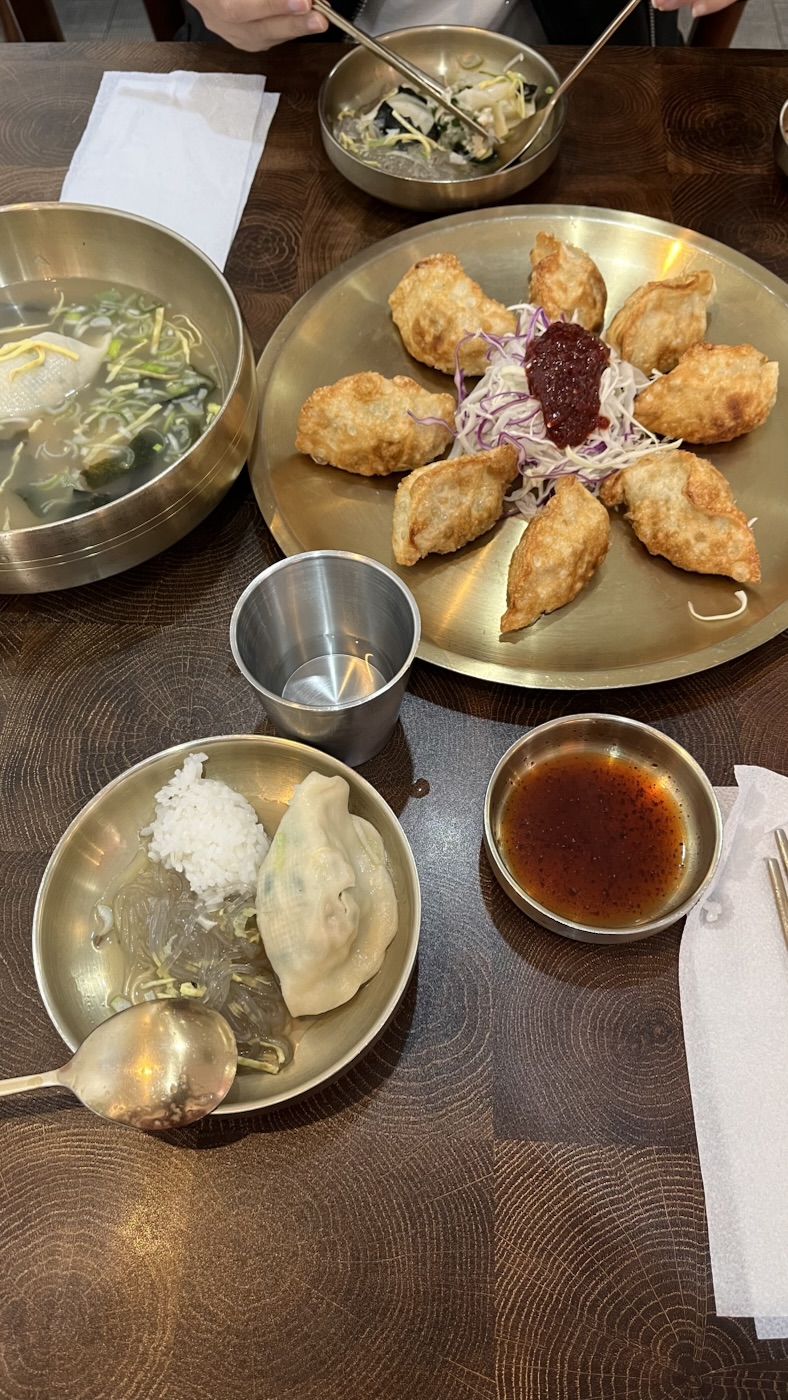
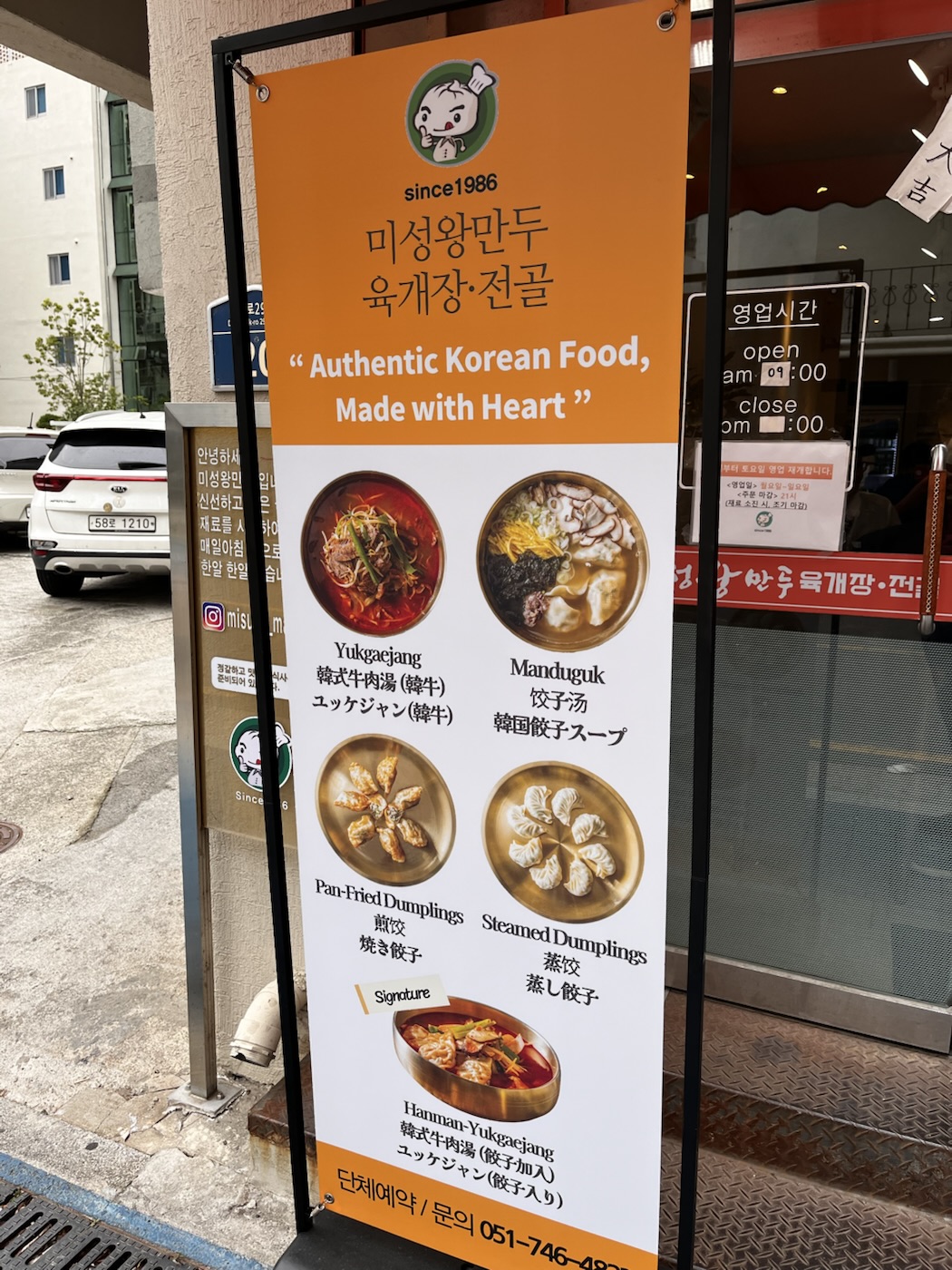
Near the hotel, a Korean restaurant whose sign promises ‘Authentic Korean Food, Made with Heart’. We ordered mandu, Korean dumplings, and a noodle soup, with a little dipping sauce.

It's the kind of simple lunch you often have in Busan: a few dishes, everything hot, everything good.

I mandu, la zuppa di noodles e il riso su un tavolo di legnoIl cartello del ristorante, con le foto dei piatti
16

Shabu Shabu in Haeundae

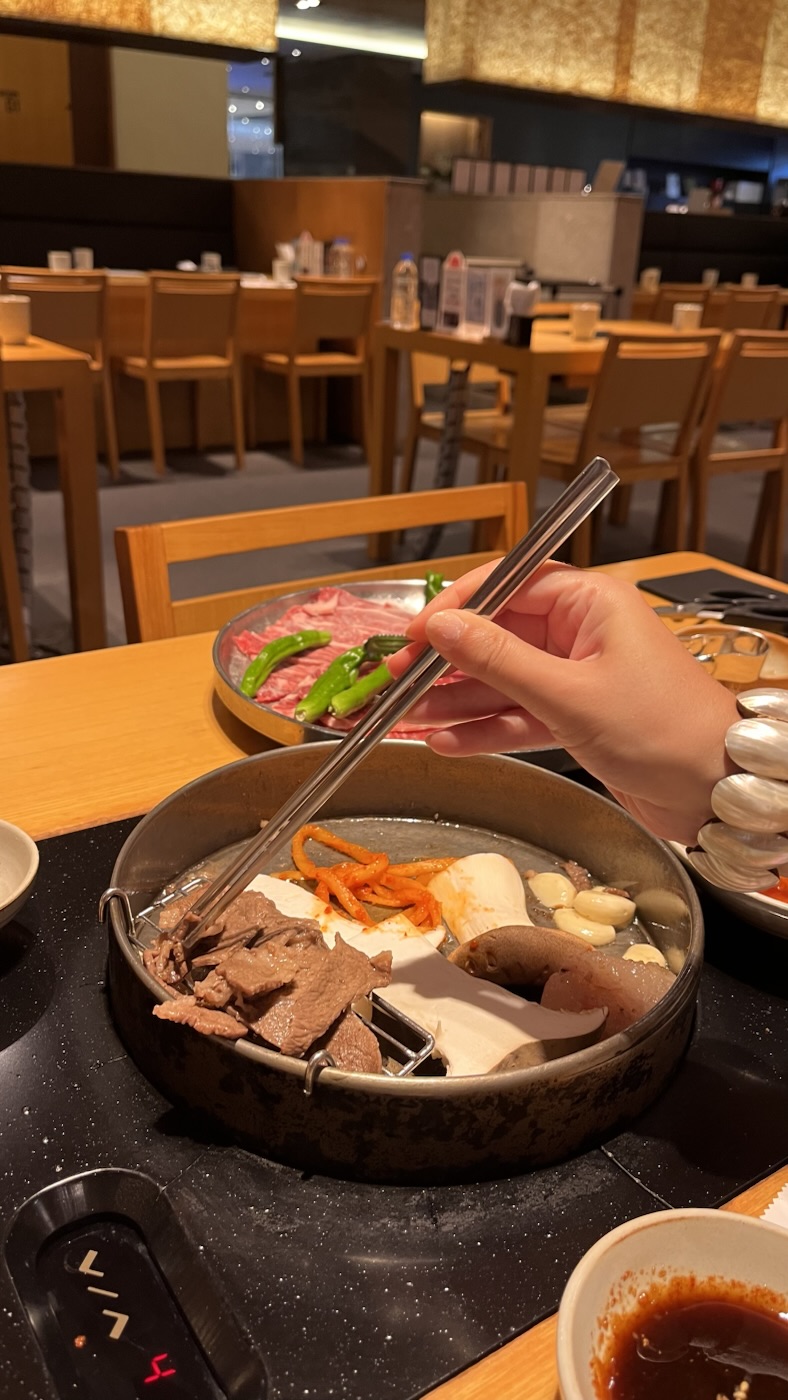
Shabu shabu is a dish you make at the table: in the middle a pot of hot broth, beside it a plate of very thinly sliced meat and the vegetables to dip in, one at a time, with chopsticks.

It's a dish you eat slowly, together, and after a day walking on the beach it was just the right dinner.

Il tegame di shabu shabu con carne, verdure e salsa sul tavolo

Jeonju

In Jeonju the city's signature dish was waiting for us, bibimbap: Jeonju was the first Korean city to join, in 2012, the UNESCO Creative Cities Network for gastronomy, and bibimbap is at the heart of that recognition. That's why bibimbap was at the top of our list.

Jeonju is also the city of hanok: its village of traditional houses, with curved tiled roofs, is a slow stroll among workshops, cafés and tea houses. After Seoul and Busan, here the pace slows down even more.

17

Jeonju Hanok Village

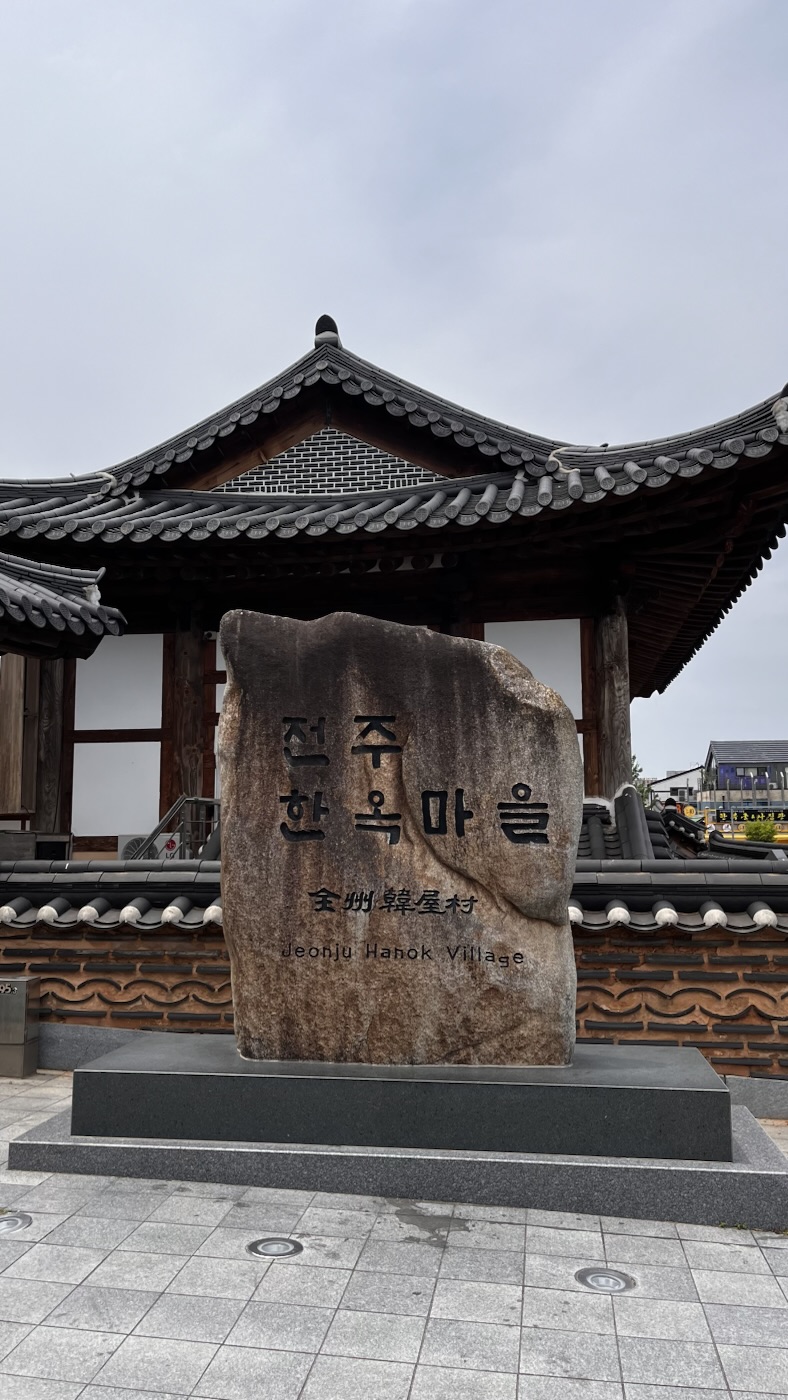
The entrance is a large stone with the name of the village and, behind it, the first tiled roof. From there we let ourselves wander along the little streets, among low houses, signs and small shops.

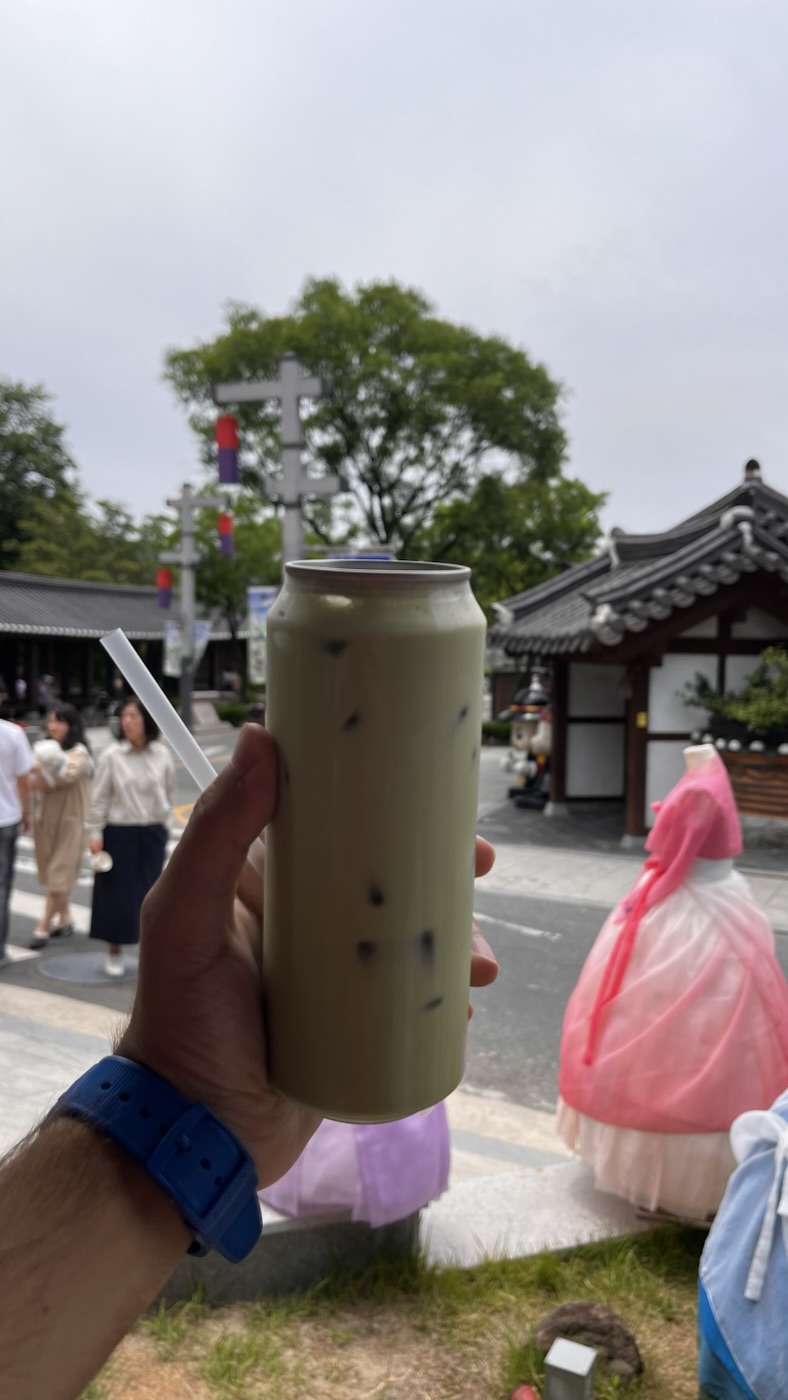
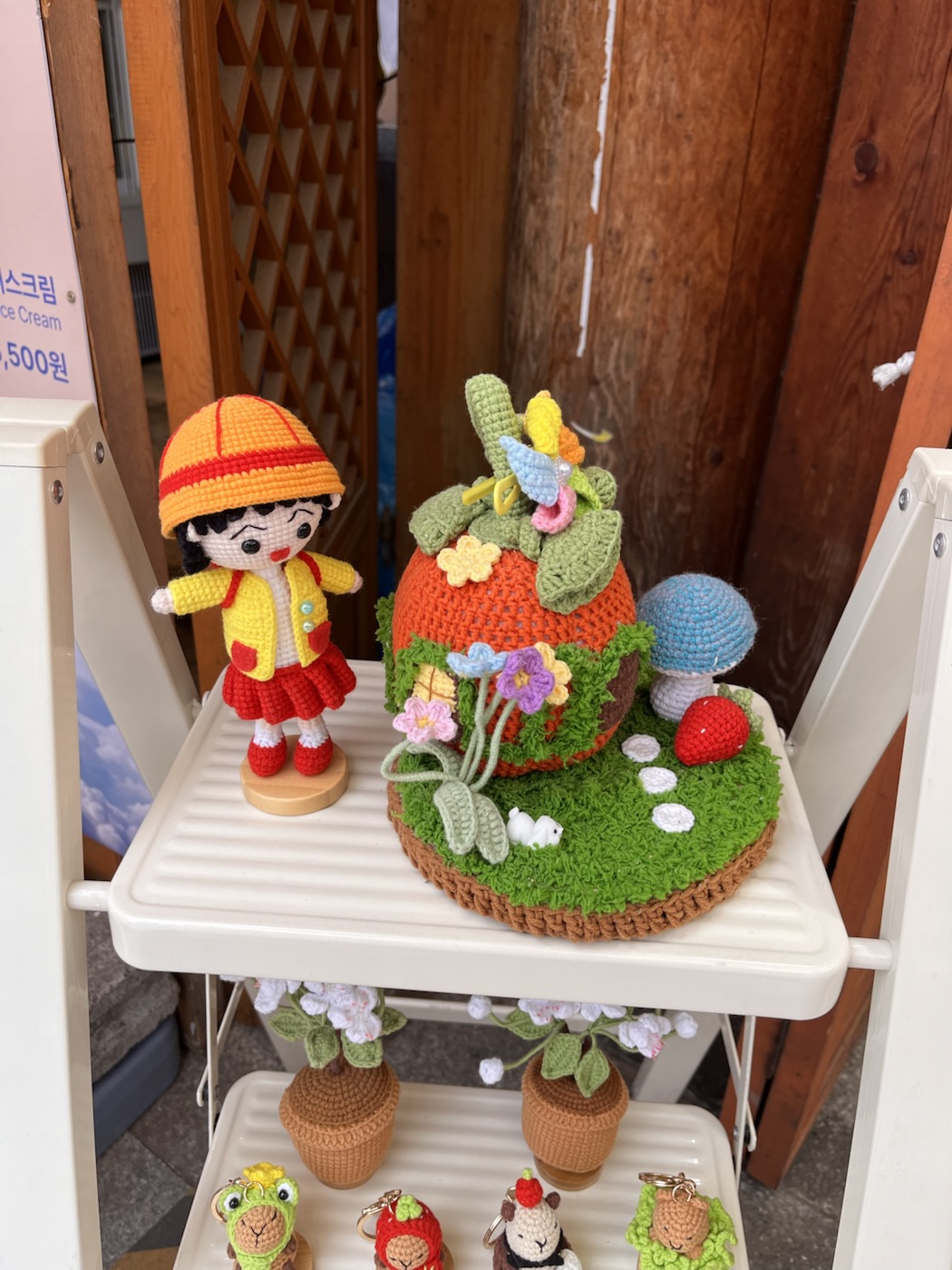
Along the way, a pause with a green can in hand in front of some figures in pink and light-blue hanbok, the traditional dress, and a corner with puppets and handmade decorations in front of a wooden door. Little things that made us smile as we walked.

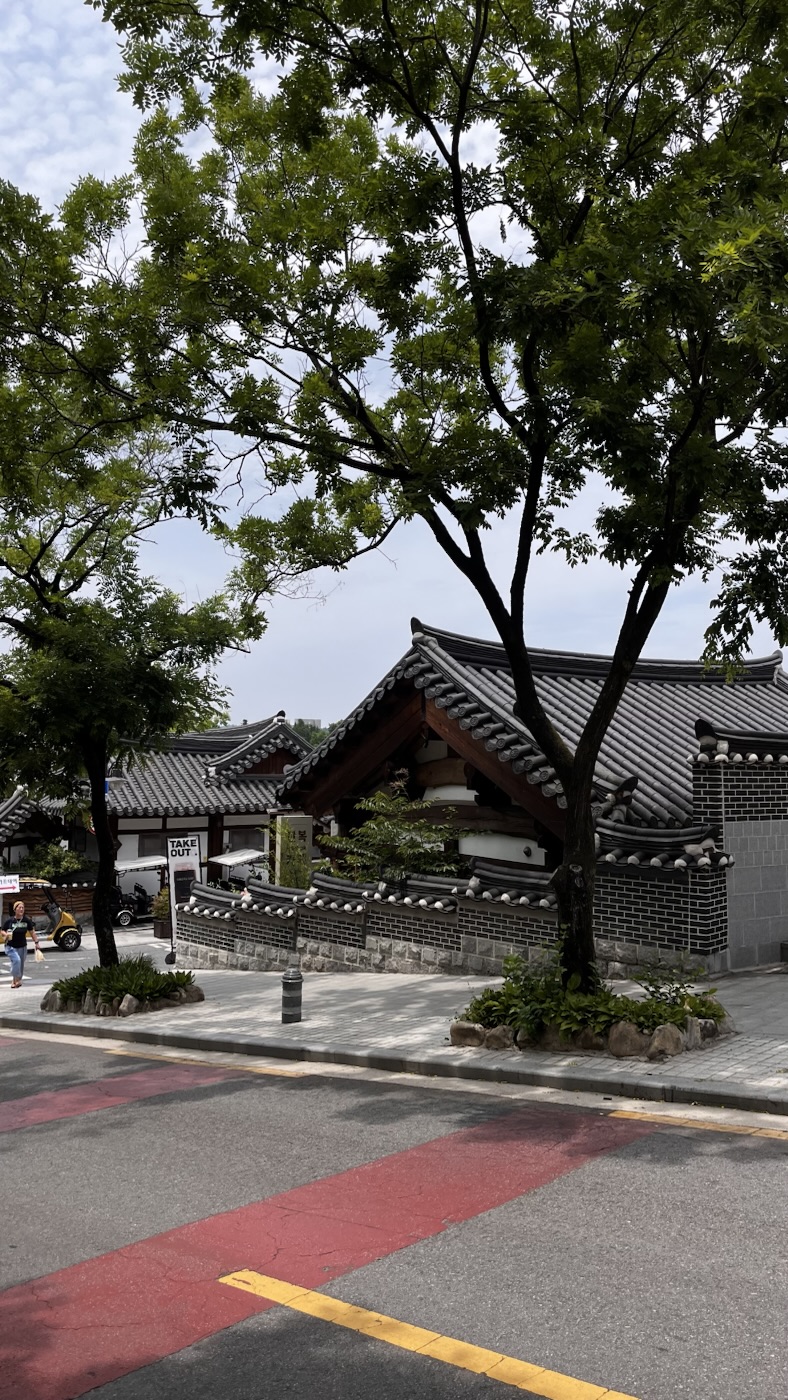
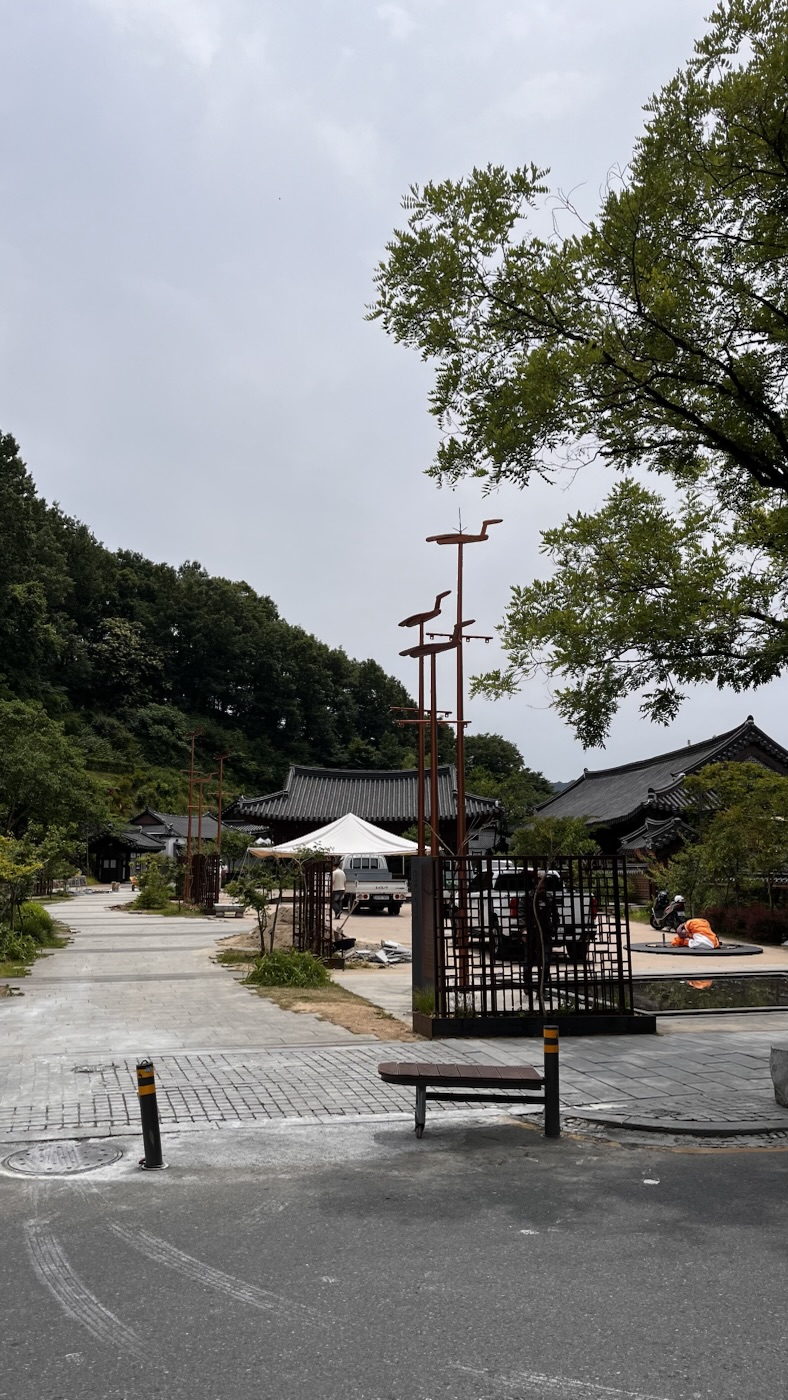
La pietra con il nome del villaggio di hanok di Jeonju, davanti a un tetto tradizionaleUna casa tradizionale vista da una strada del villaggioUn viale del villaggio di hanok, con i pali colorati e le case basseUna lattina verde in mano, davanti a delle figure in hanbok rosa e azzurroPupazzi e decorazioni fatti a mano davanti a una porta di legno, nel villaggio
18

Jeonju Crafts Exhibition Hall

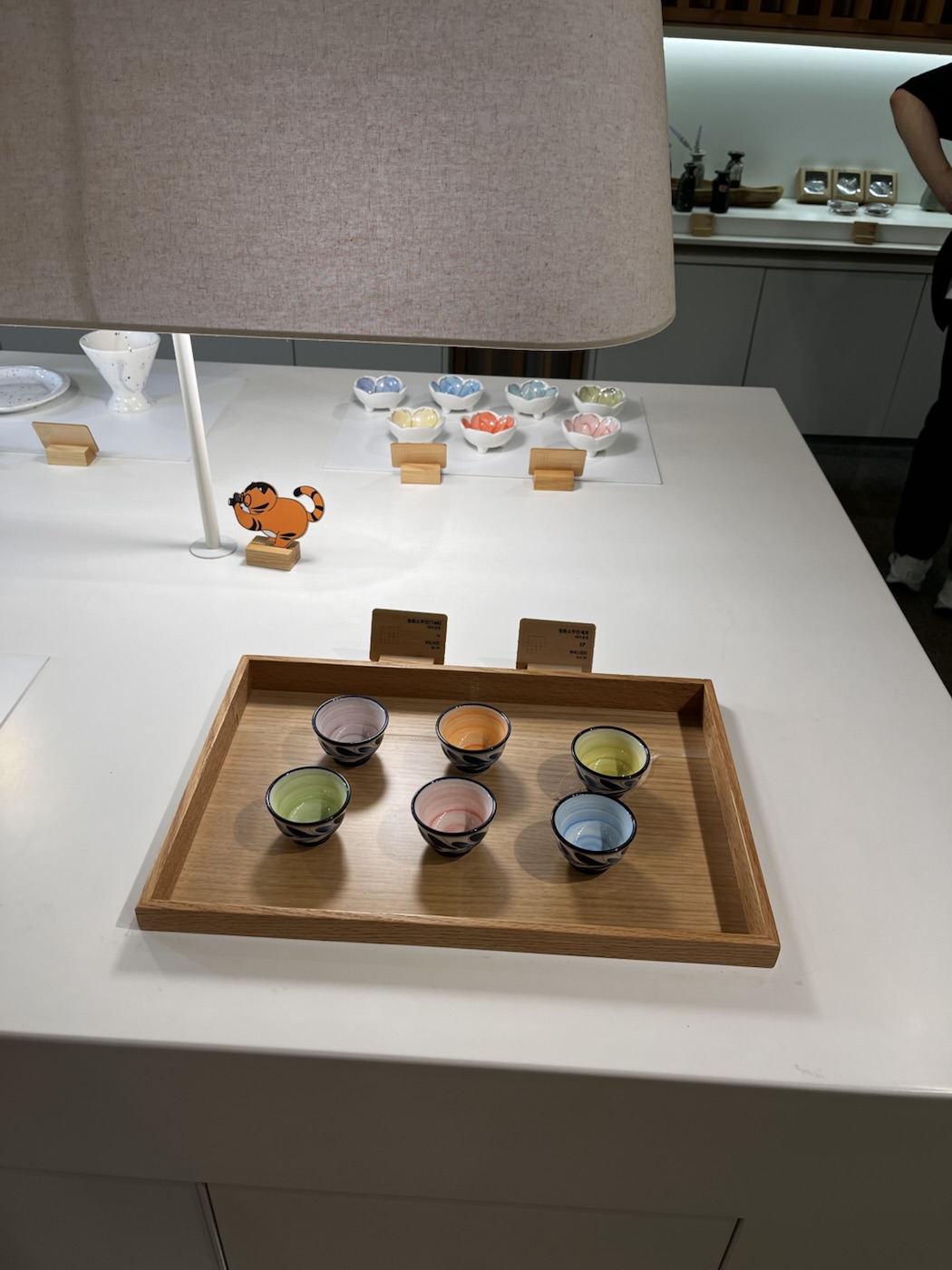
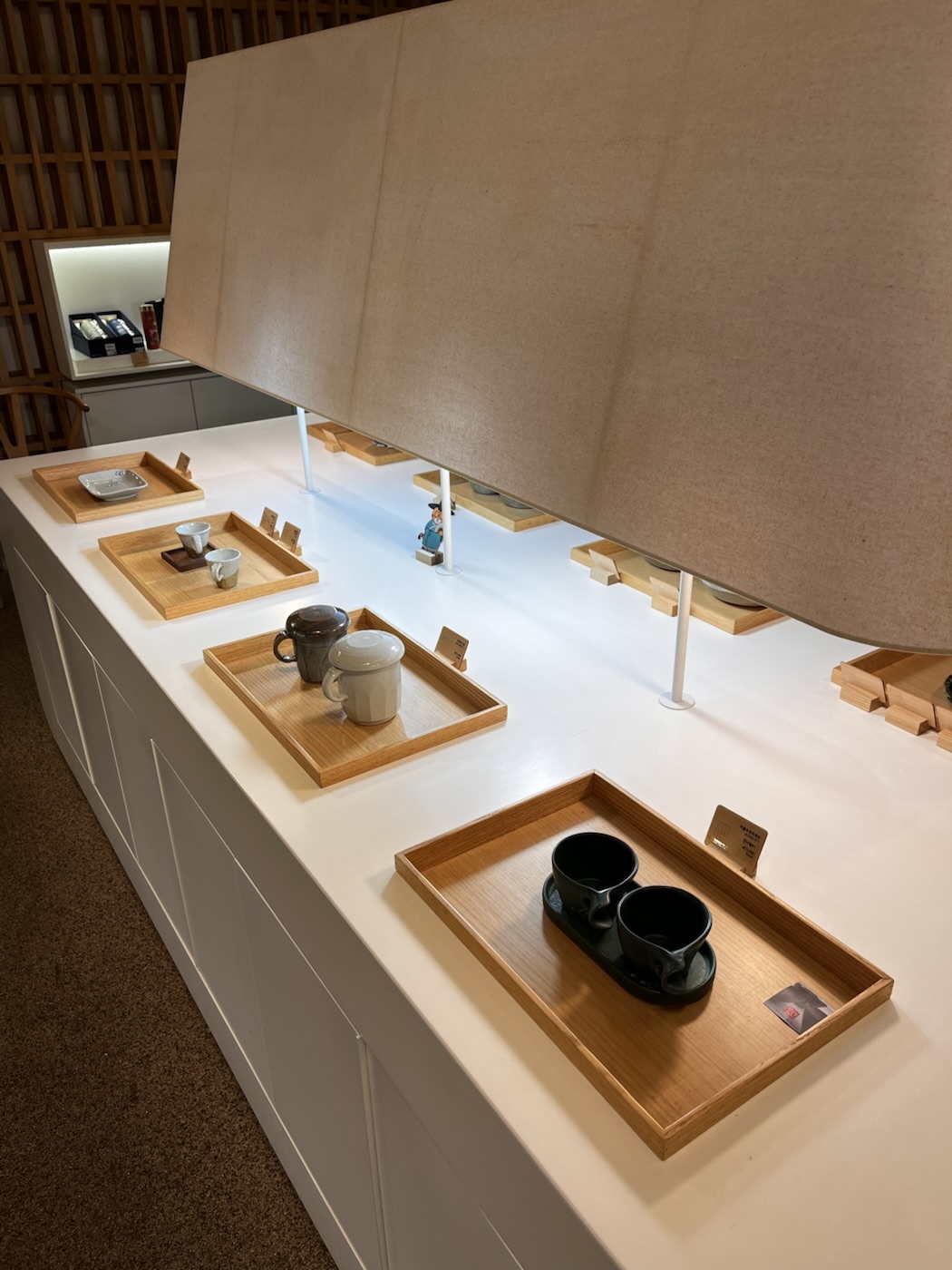
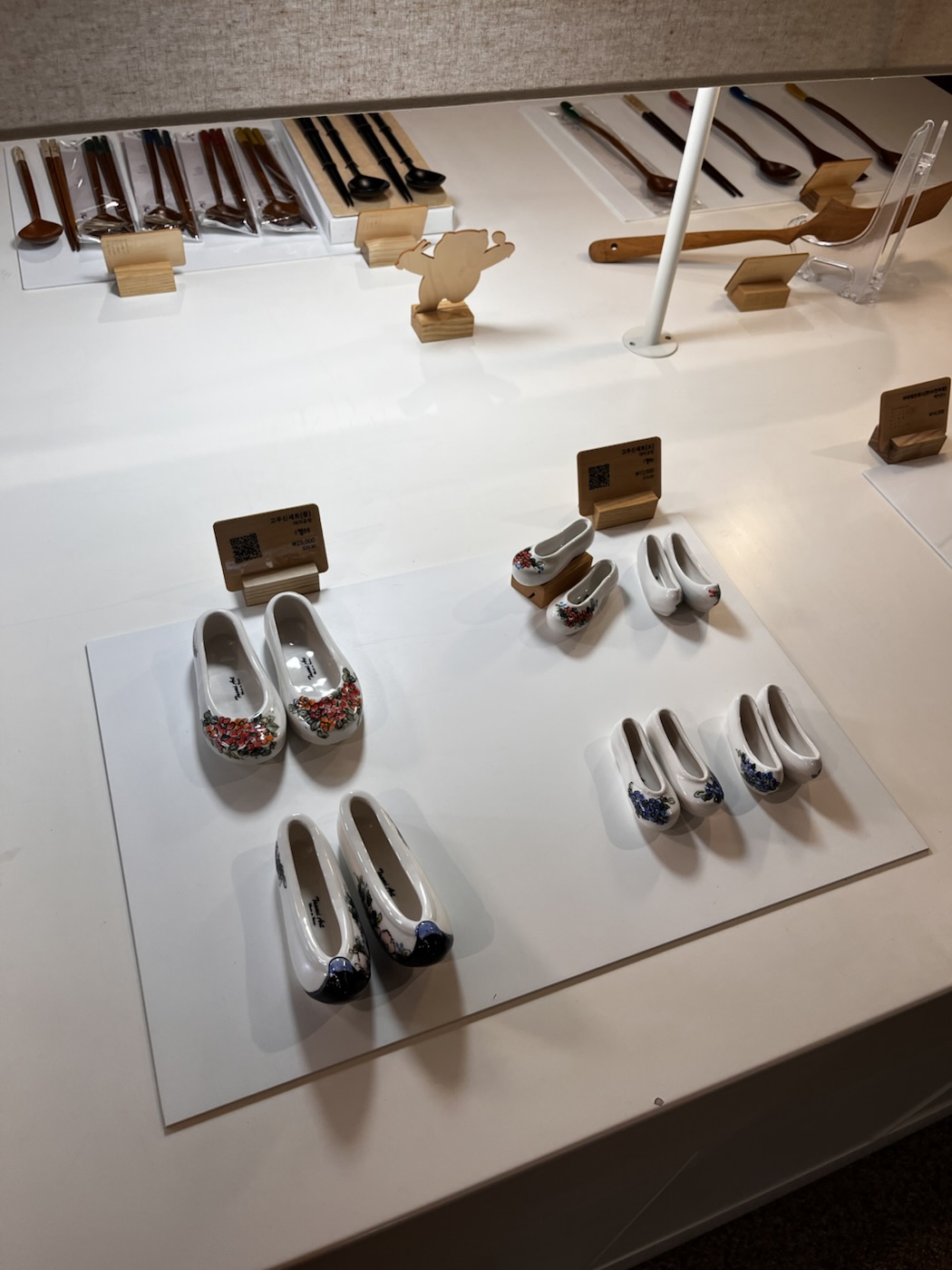
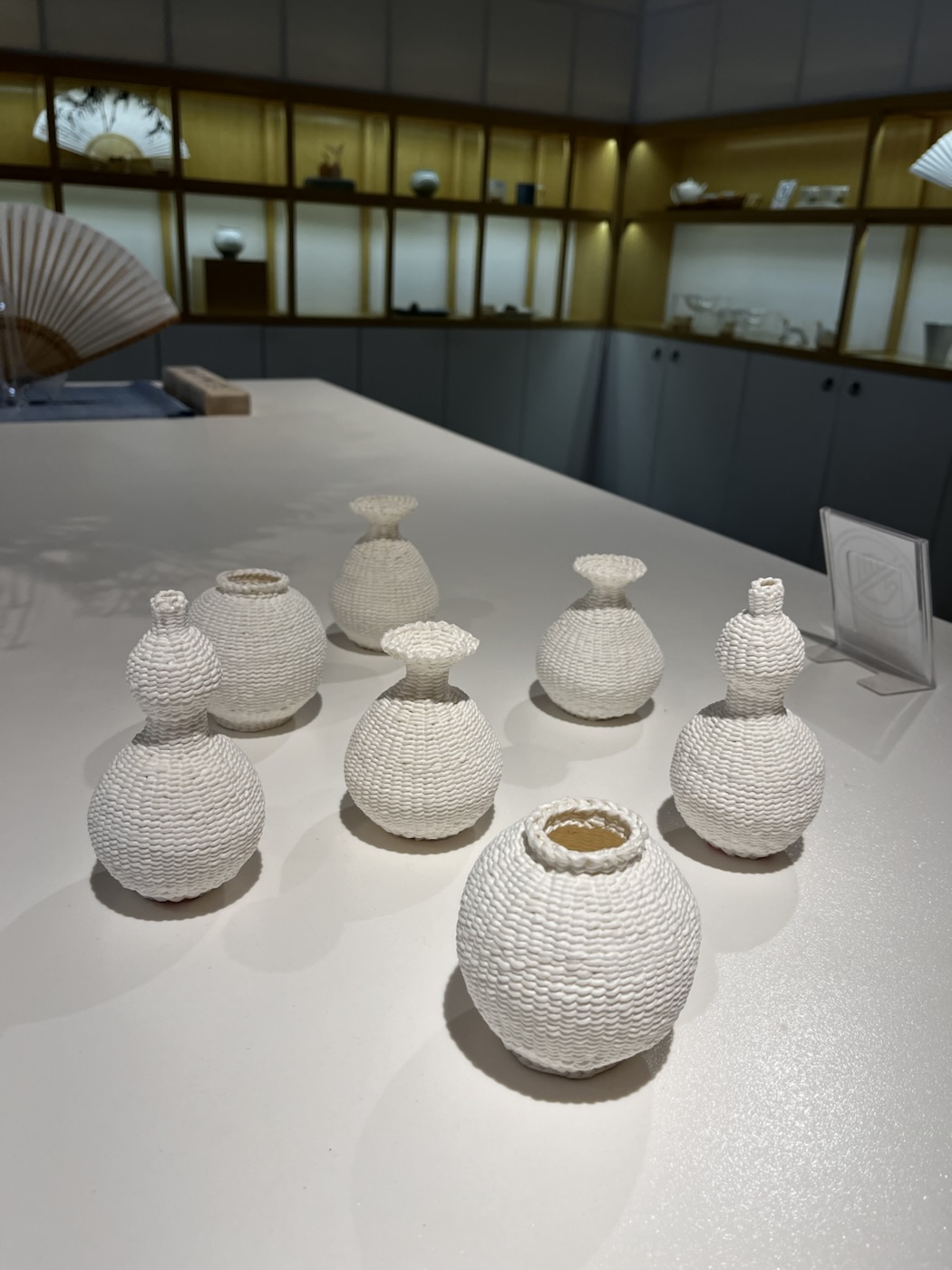
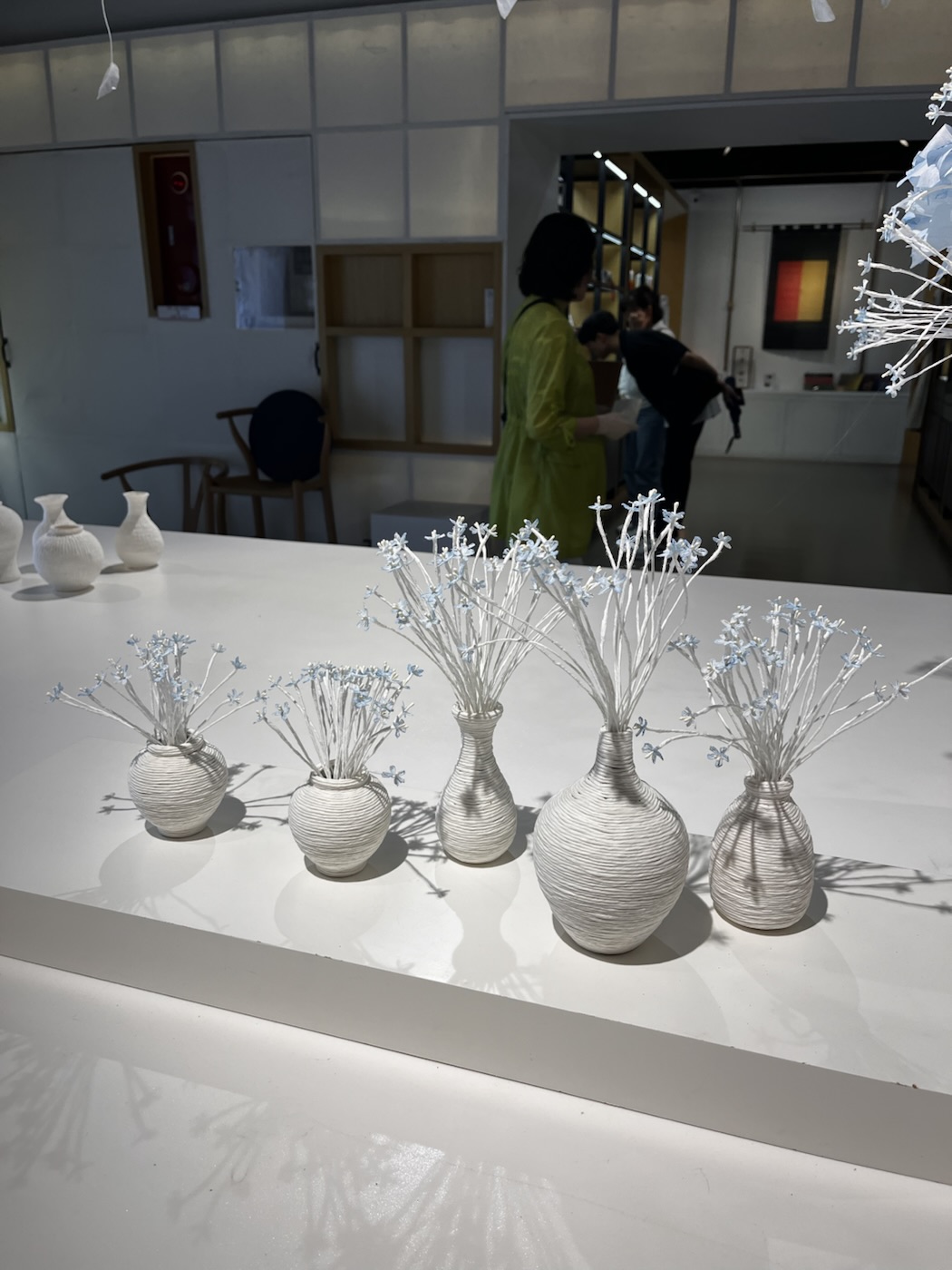
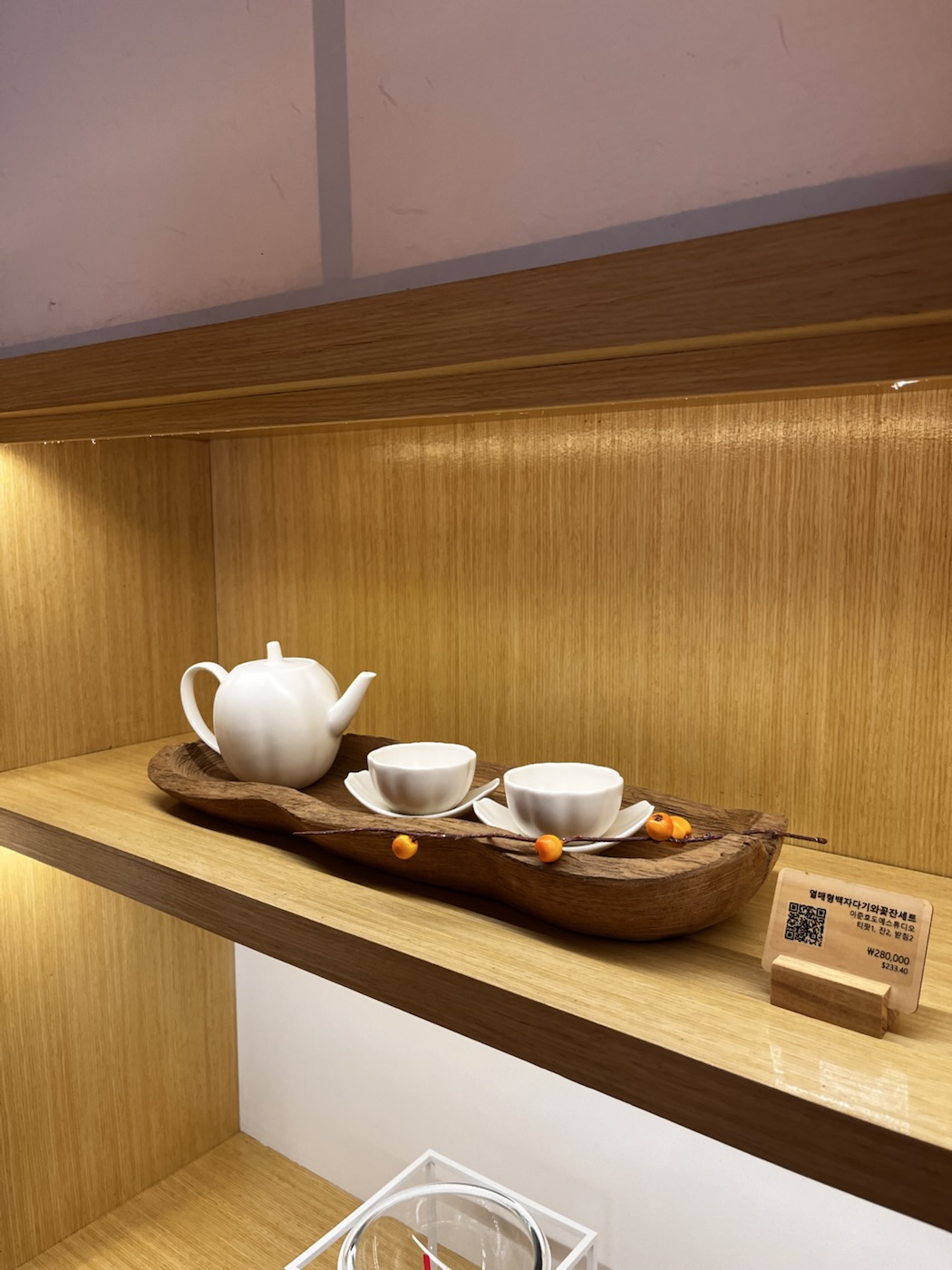
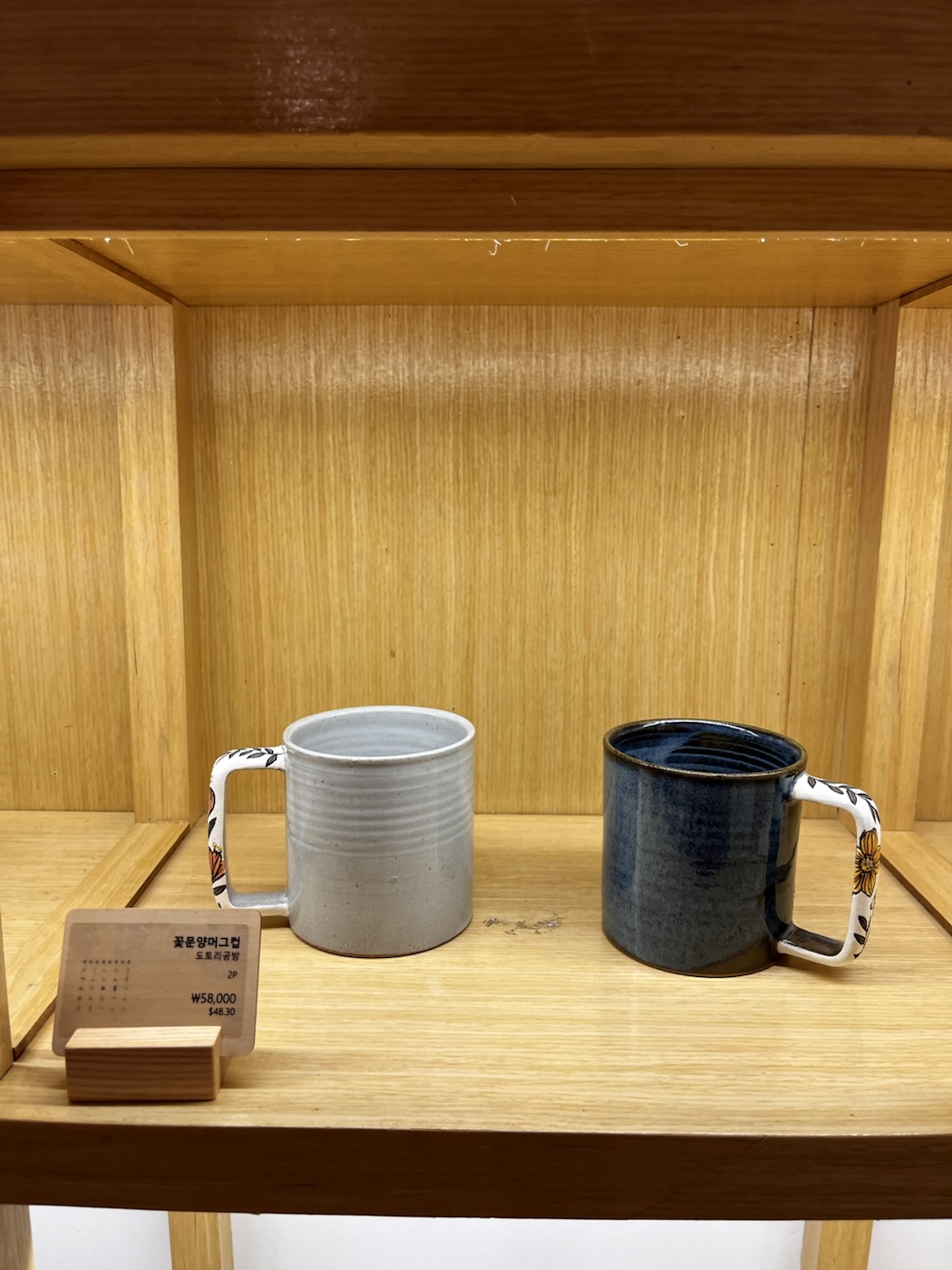
A white, silent room, with light wooden display cases and objects shown one by one: pastel-coloured ceramic cups on a wooden tray, white vases like seashells, dark plates, cups with handles, a teapot on a golden shelf. Each with its own label.

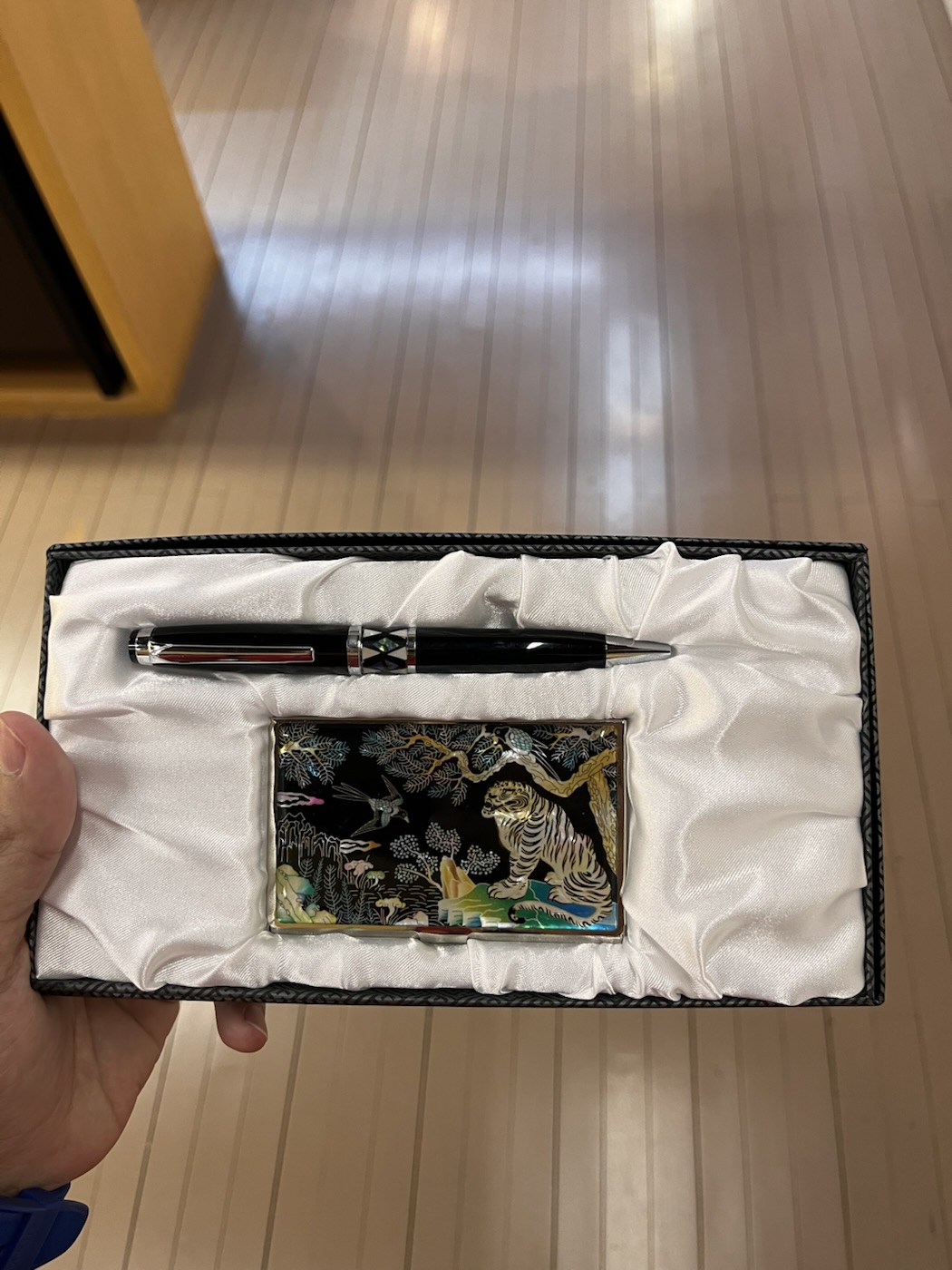
Among the objects there are also models of traditional shoes and a case with a pen inlaid with mother-of-pearl. For those who travel after music and food, it was a different kind of stop: understanding what you drink tea from, as well as how you drink it.

Tazze di ceramica color pastello su un vassoio di legnoUna tazza e un piattino esposti su un ripiano biancoPiatti e ciotole scure esposti nella vetrinaPiccoli vasi bianchi come conchiglieVasi bianchi con rametti, esposti nella salaUna teiera con le tazze su un ripiano doratoDue tazze con la maniglia, una chiara e una scuraUna penna con la custodia intarsiata di madreperla
19

Jongno Hall

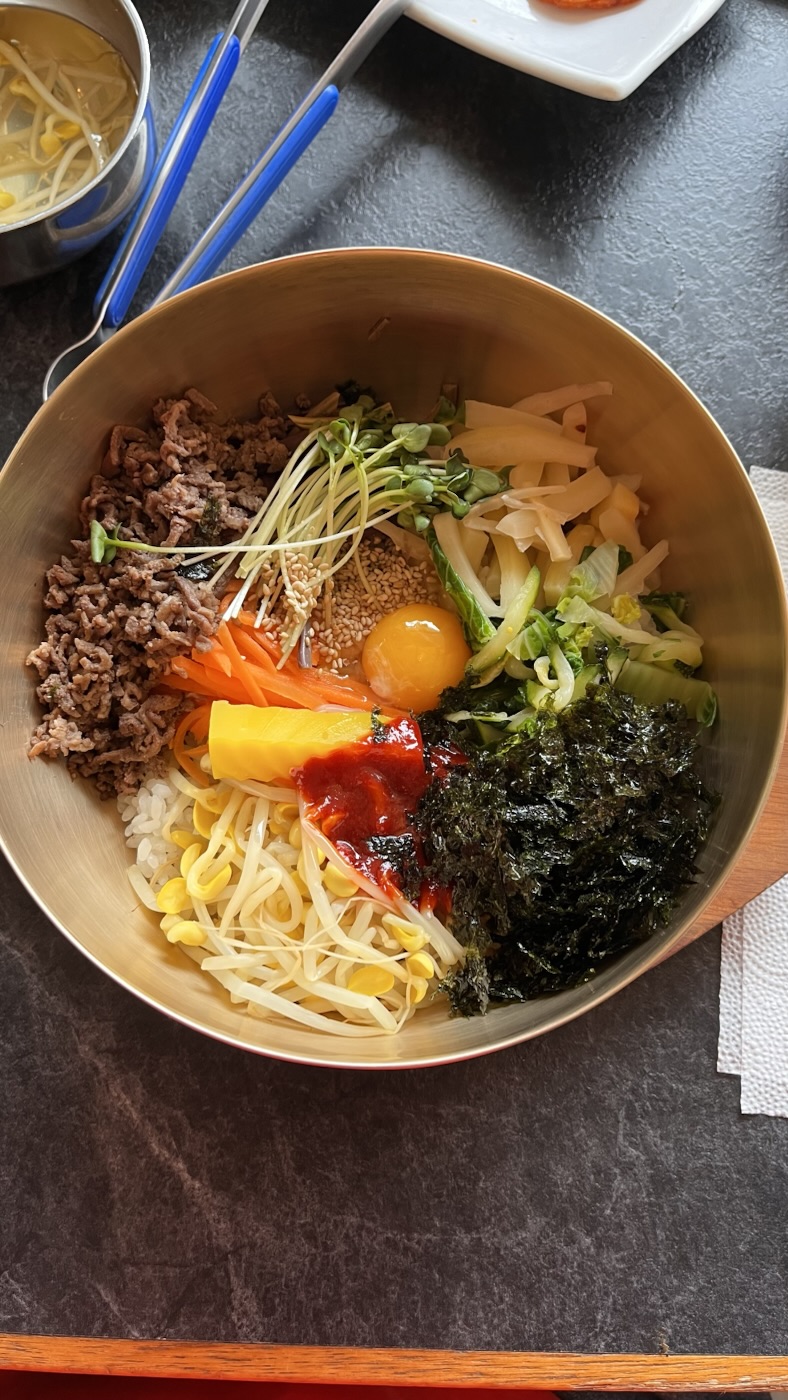
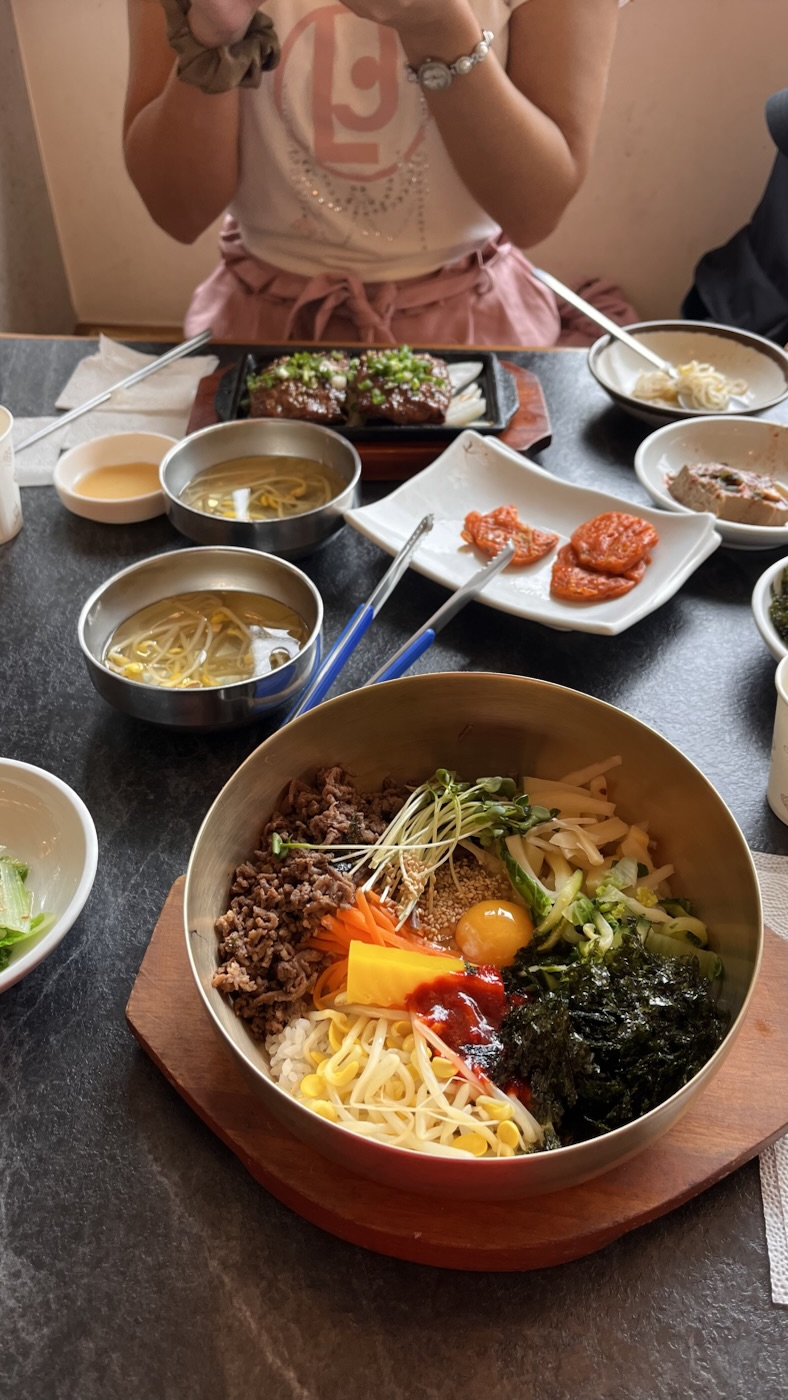
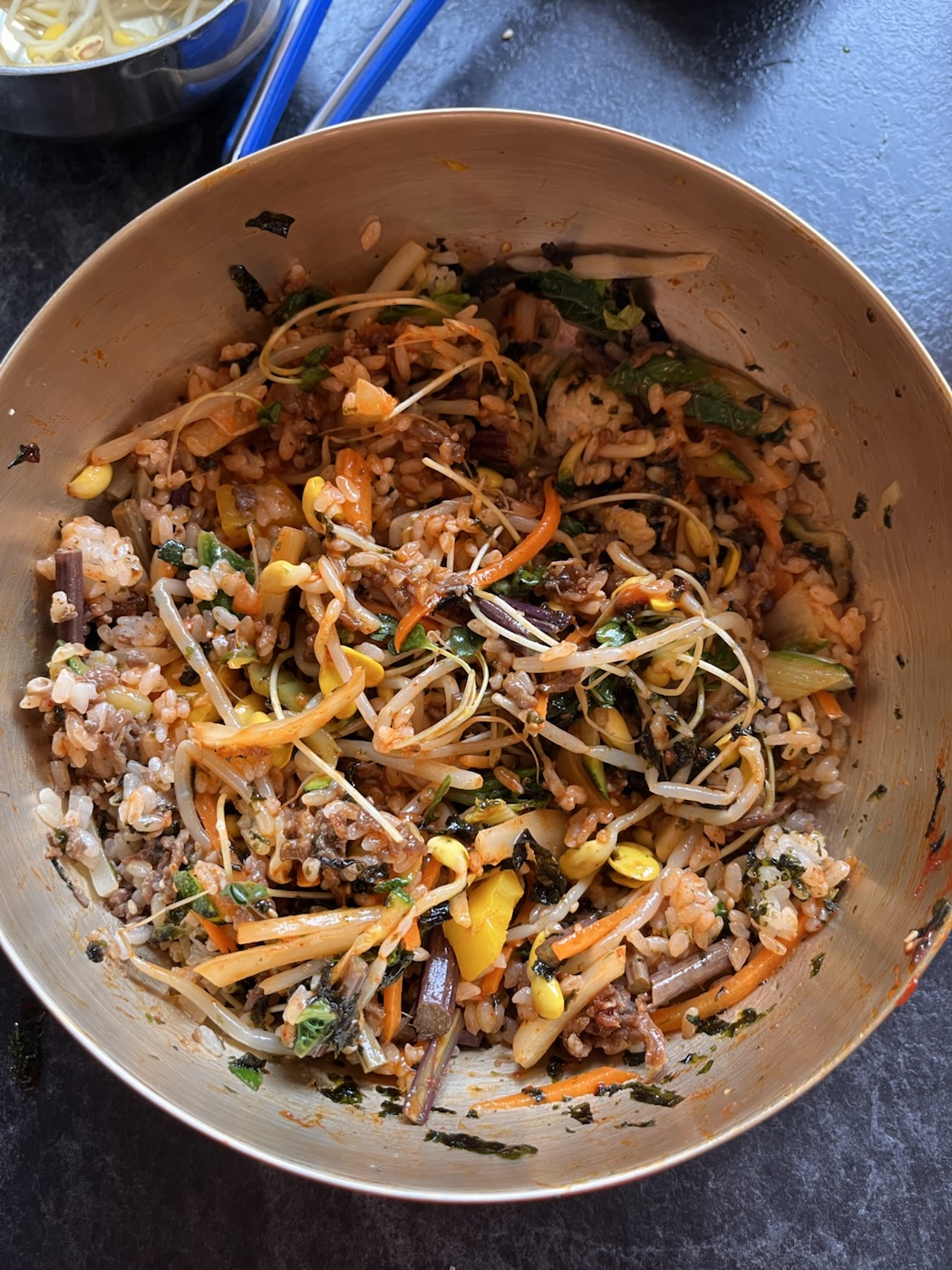
Jeonju bibimbap arrives in a brass bowl, with rice, meat, sprouts, vegetables, seaweed and an egg yolk in the middle. You mix it all up and eat it straight away: it's the reason we came all this way.

We had it at Jongno Hall, along with the teok galbi, and the table filled up with little bowls of side dishes. The mixed bibimbap, in the last photo, is exactly how it was: hot, colourful, almost too beautiful to spoil.

Il bibimbap di Jeonju in una ciotola di ottone, con il tuorlo d'uovo al centroLa tavola con il bibimbap e i contorniIl bibimbap mescolato, pronto da mangiare
20

Traditional Tea House in Jeonju

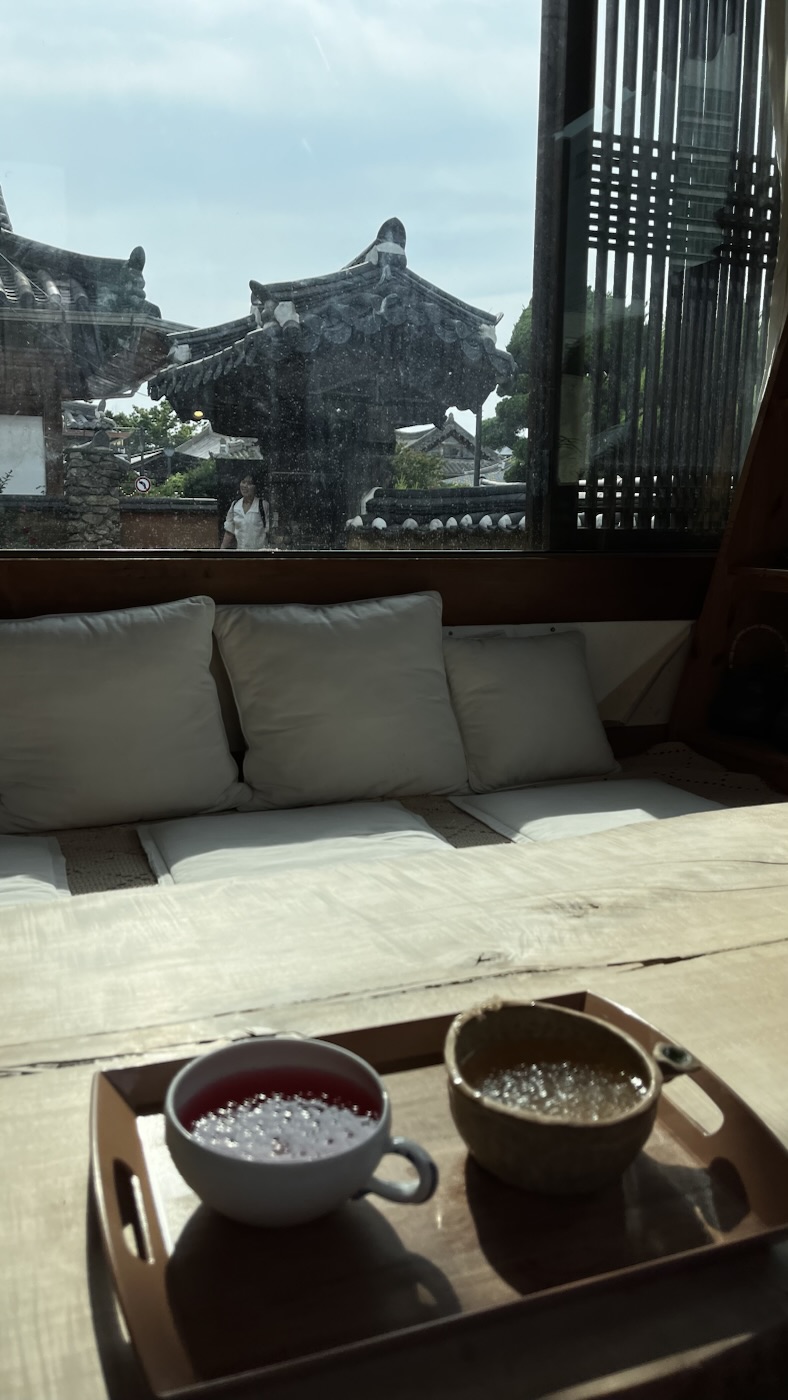
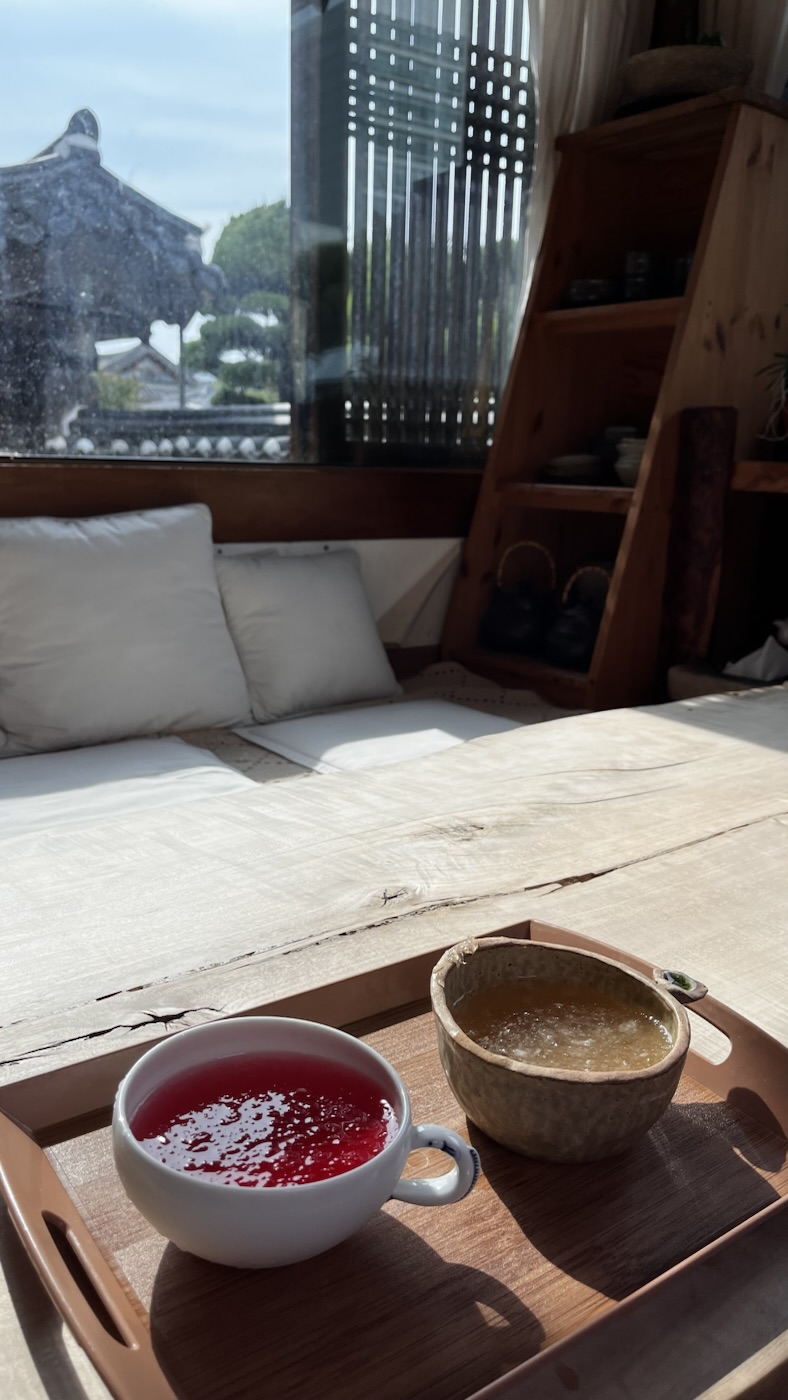
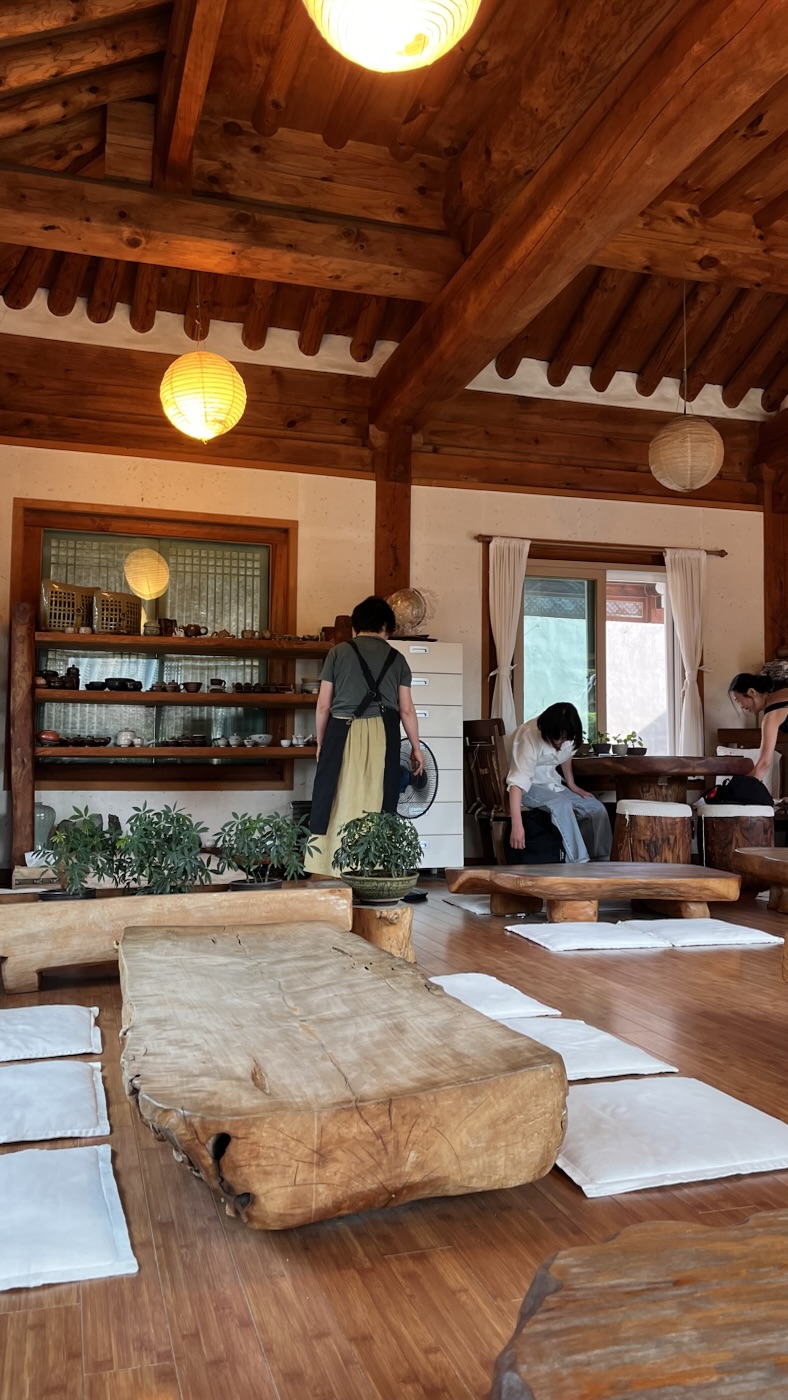
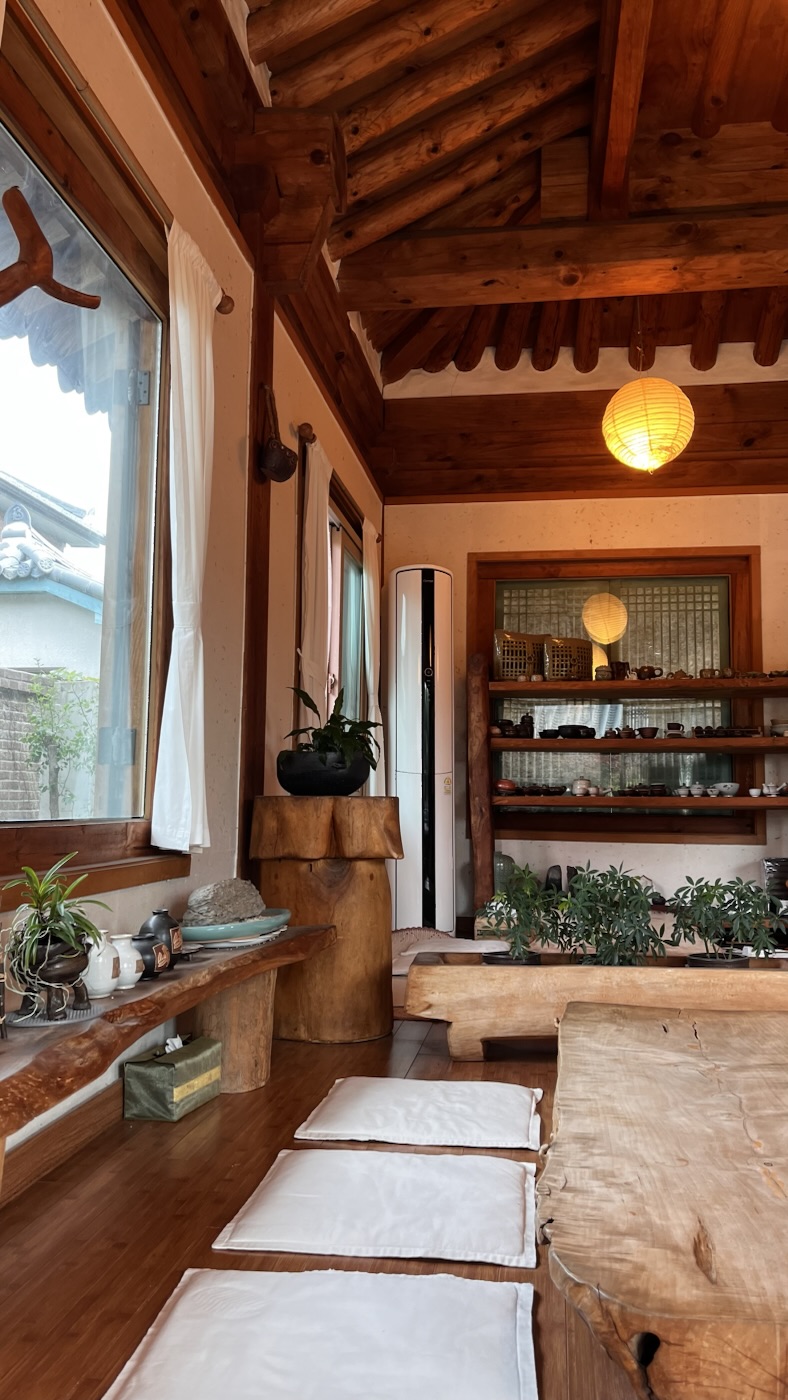
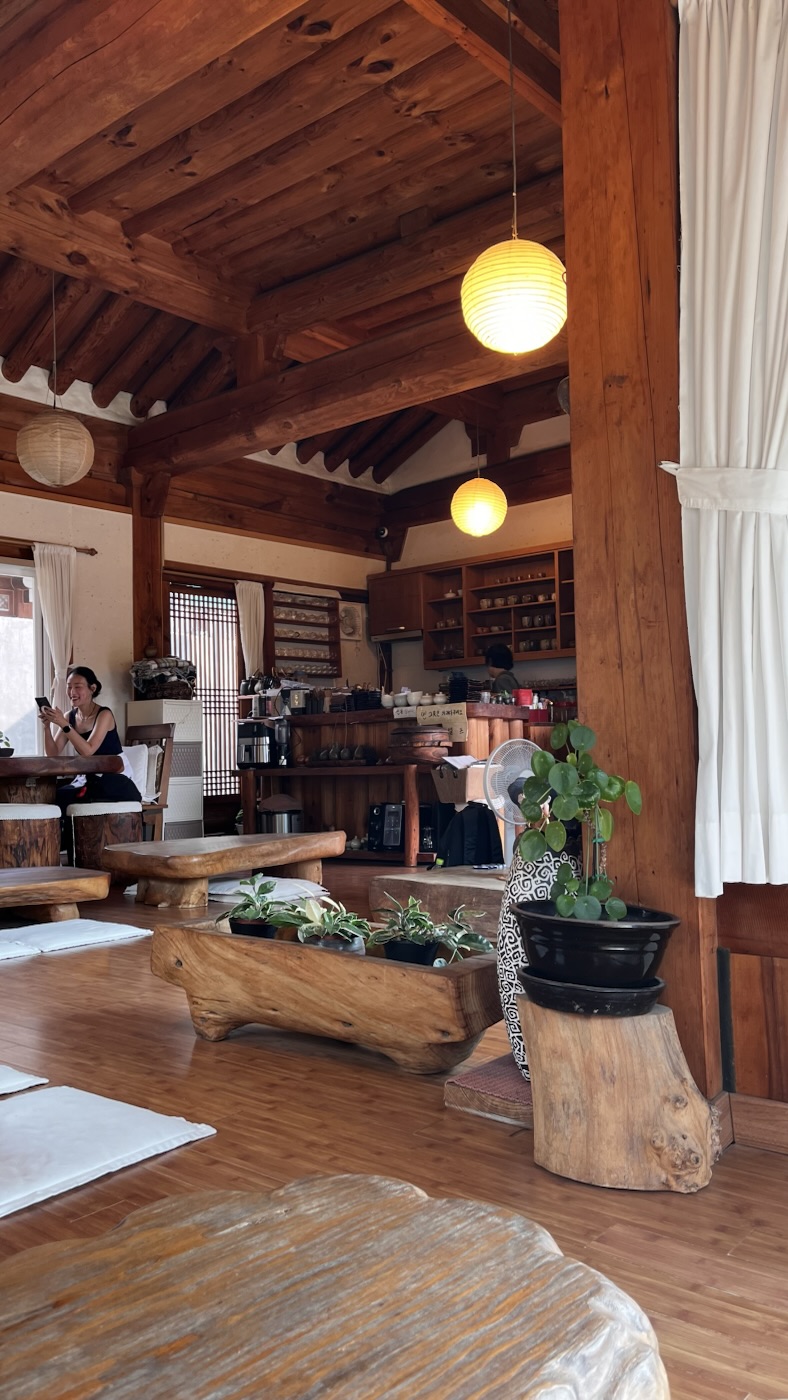
After lunch we stopped at a tea house inside a hanok: dark wooden beams, yellow lamps, low tables with white cushions and, through the windows, the tiled roofs of the village. You sit on the floor, cross-legged, and time passes more slowly.

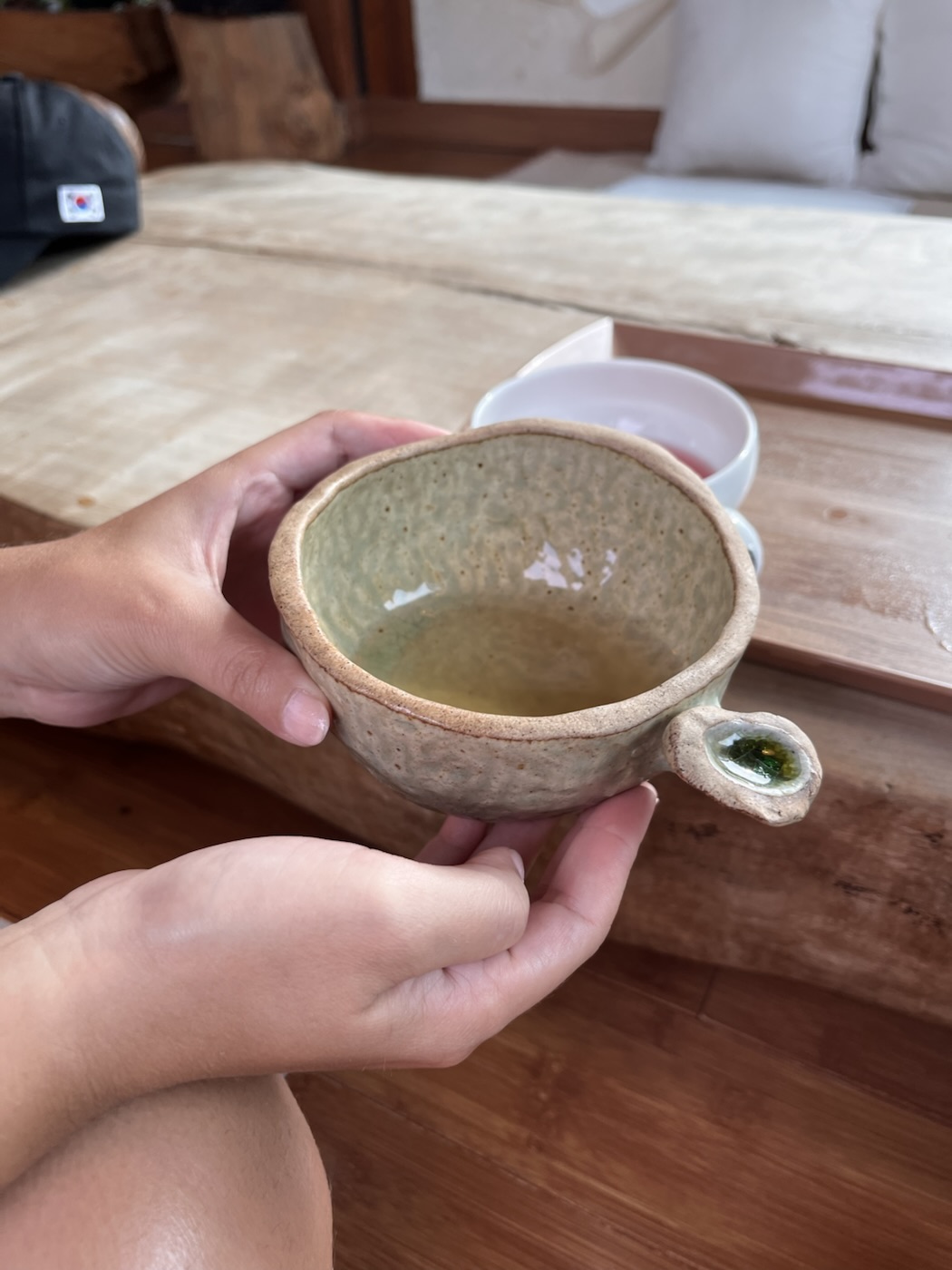
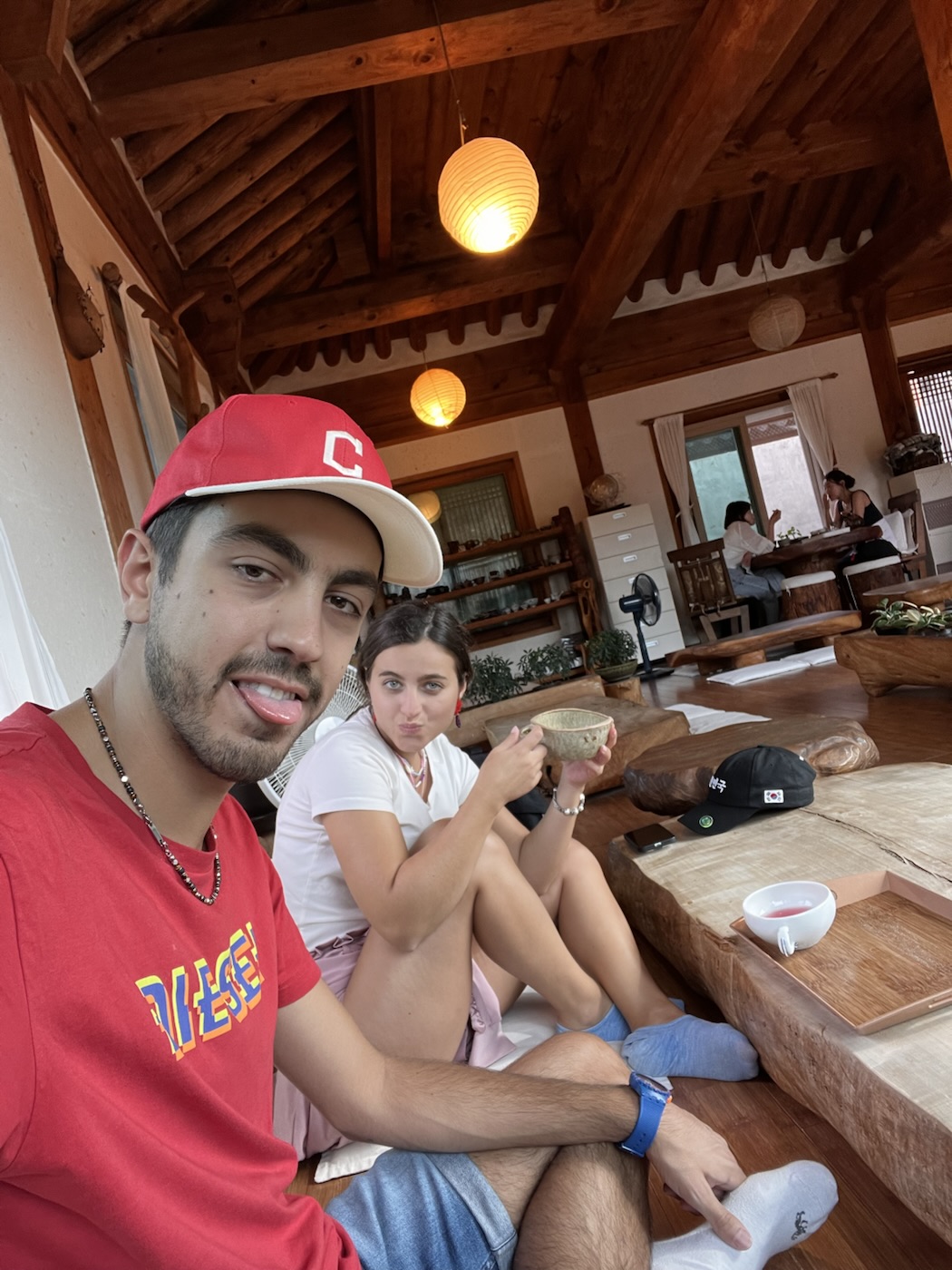
On the tray, two cups: one red, one honey-coloured. You sip slowly and stay a long while, without looking at the clock. In the last photo it's the two of us, sitting on the floor, cups in hand.

Il vassoio con due tazze di tè davanti alla finestra della casa da tèUna tazza rossa e una color miele su un vassoio di legnoL'interno della casa da tè, con le travi di legno e le lampadeLa sala con i tavoli bassi e i cuscini bianchiLe travi del soffitto e le lampade gialle della casa da tèUna tazza di tè tenuta tra le maniNoi due seduti sul pavimento della casa da tè

If you have places to suggest, write to us at info@tastybeats.it!
The official sources we consulted for the facts about Korean culture:

Korea.net, noraebang (‘song room’): korea.net

VisitSeoul, the culture of ‘rooms’ (bang): english.visitseoul.net

Korea.net, why K-Pop fans are so loyal: korea.net

Korea.net, the K-Pop trainee path: korea.net

VisitSeoul, Ikseon-dong Hanok Village: english.visitseoul.net

VisitKorea, Gyeongju Historic Area (UNESCO World Heritage): english.visitkorea.or.kr

VisitBusan, Gamcheon Culture Village: visitbusan.net

UNESCO, Jeonju Creative City of Gastronomy: unesco.org

Hai un posto da suggerirci?

Saremo felici di accogliere nuovi spunti, idee o suggerimenti per il nostro TastyBlog: scrivici a info@tastybeats.it.

Save the place

Join My Tasty Beats, the free space where you find the venues you like again. The place you chose is saved as soon as you log in.

Sign up for freeI already have an account

Two quick choices first (you can skip them), then log in with email or Google. We won’t subscribe you to any newsletter.